At Nutrition 2026, most nutrition professionals were still choosing salad despite an ongoing cyclospora outbreak that has sickened more than 11,000 people across 46 states. Experts say the absolute risk from a single salad is relatively low, but they urge vigilance: follow recalls, prefer traceable or local sources when possible, and practice good food-safety habits. Investigations have focused on iceberg lettuce, including product linked to Taylor Farms and some shipments from Mexico, and mixed messages from an initial false-positive test have heightened public anxiety.
Why Nutrition Experts Still Ate Salad During the Cyclospora Outbreak — and How They Weigh the Risk

The American Society for Nutrition's annual conference is one of the largest for cutting-edge research on all things food science.EPNAC.com/American Society for Nutrition
At Nutrition 2026, one of the country’s largest gatherings of doctors, dietitians, and food scientists, the buffet line told a clear story: most attendees were choosing chopped salads even as public-health officials investigated a widespread cyclospora outbreak.
What I Saw
Nearly everyone in the dining area opted for leafy greens. A few people avoided salad or concentrated dressing on lower-risk items like cucumbers, but by and large the nutrition community appeared comfortable eating fresh produce — with sensible caution.
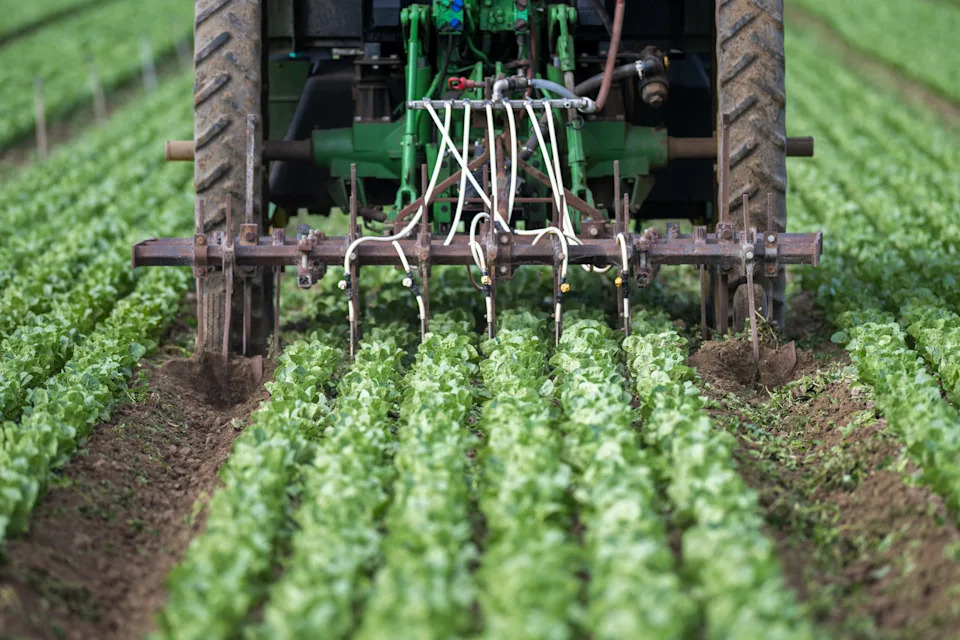
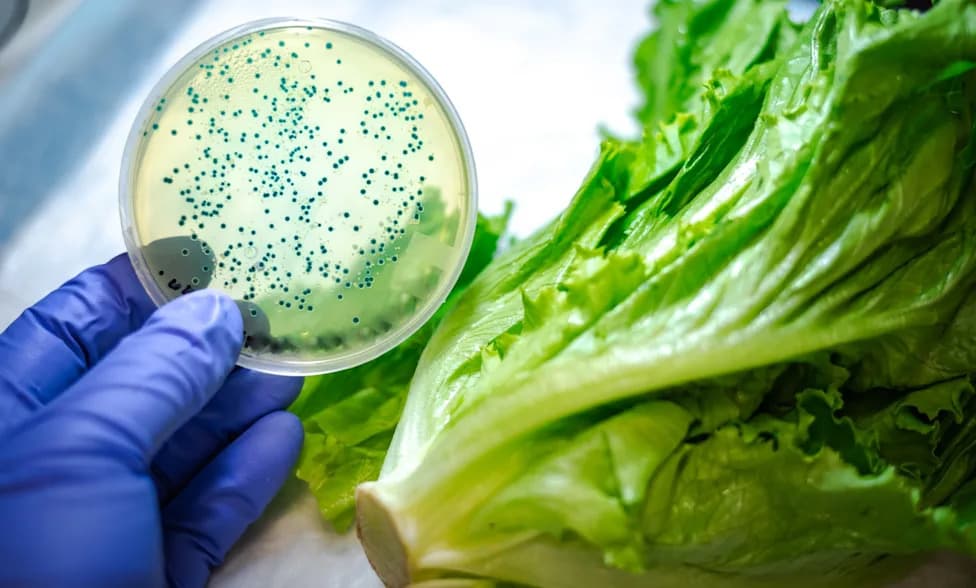
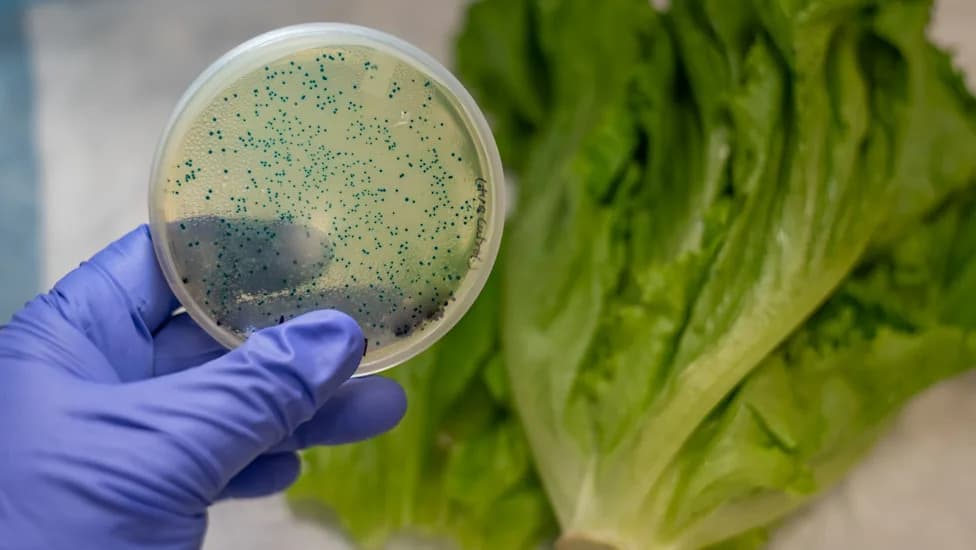
Lettuce and other produce can be prone to contamination because they're harvested from dirt, which can be, well, dirty. Contamination can happen at every step of the supply chain, from water and soil to the many people who handle produce before it ends up on our plates.Bloomberg/Getty Images
Why Experts Still Ate Salad
After interviewing more than a dozen dietitians, clinicians, and food-safety researchers, the consensus was consistent: the absolute risk of getting cyclospora from a single salad is relatively low, while the health benefits of vegetables remain substantial. Experts emphasized staying alert to recalls and avoiding specific products under investigation rather than abandoning produce altogether.
“The anxiety people feel around this outbreak is understandable,” said Alyssa Pike, a registered dietitian and food-safety manager at the International Food Information Council. “I’m still eating salads, but I watch recall notices and avoid products that are flagged.”
How Cyclospora Enters the Food Supply
Cyclospora cayetanensis contaminates produce most commonly through fecal contamination of soil or water used in growing or processing. Because many fresh vegetables and fruits are harvested close to the ground and handled by multiple people during harvesting and processing, contamination can occur at several points in the supply chain. Bagged salads can spread contamination widely because they combine greens from multiple lots.

Just to be safe, I ended my conference with a big scoop of ice cream for dinner instead of a salad.Gabby Landsverk
What Investigators Have Found So Far
Health agencies report more than 11,000 confirmed cases in 46 states. Iceberg lettuce supplied by Taylor Farms — including some shipments traced to Mexico — has been a focus of the investigation. An initially reported positive test from a lettuce sample was later classified as a false positive, which contributed to confusing public messaging. Still, some product linked to the investigation has been voluntarily recalled, and officials continue tracing sources.
Practical Tips for Eating Produce Now
- Watch official recall and advisory notices from the FDA, CDC, and state health departments.
- When possible, buy produce from trusted, traceable sources — local farmers’ markets or known suppliers — and check lot codes if you buy packaged greens.
- Practice basic food-safety steps: wash hands thoroughly before handling produce, rinse whole fruits and vegetables under running water, and avoid cross-contamination on cutting boards and utensils.
- If you’re particularly concerned, choose lower-risk options (cooked vegetables, whole fruits you can peel, or produce known to come from an unaffected supplier) until the investigation concludes.
Balancing Risk and Nutrition
No diet is perfectly risk-free. Conference attendees weighed the relatively low statistical risk of a single salad against the clear, long-term benefits of eating vegetables. For many people, the sensible approach is to stay informed, follow recalls, and make modest, temporary adjustments rather than permanently cutting out fresh produce.
The takeaway: Be cautious but don’t panic — follow official guidance, check recalls, and use practical food-safety steps to reduce risk while preserving the nutritional benefits of fruits and vegetables.
Help us improve.