The FDA has approved MannKind’s Furoscix ReadyFlow autoinjector, allowing some heart failure and kidney disease patients to self-administer subcutaneous furosemide at home and potentially avoid emergency-room IV infusions. Clinical Therapeutics data showed ReadyFlow matched IV furosemide for urine, sodium and potassium output at 6, 8 and 12 hours. Separately, researchers presented a biosensor that detects the TB bacterial marker ESAT-6 in blood, distinguishing uninfected contacts, latent infection and active tuberculosis. Prospective studies are planned to validate both technologies in real-world care.
Home Injection Lets Heart Failure Patients Skip ER Diuretics; New Blood Test Detects TB Early
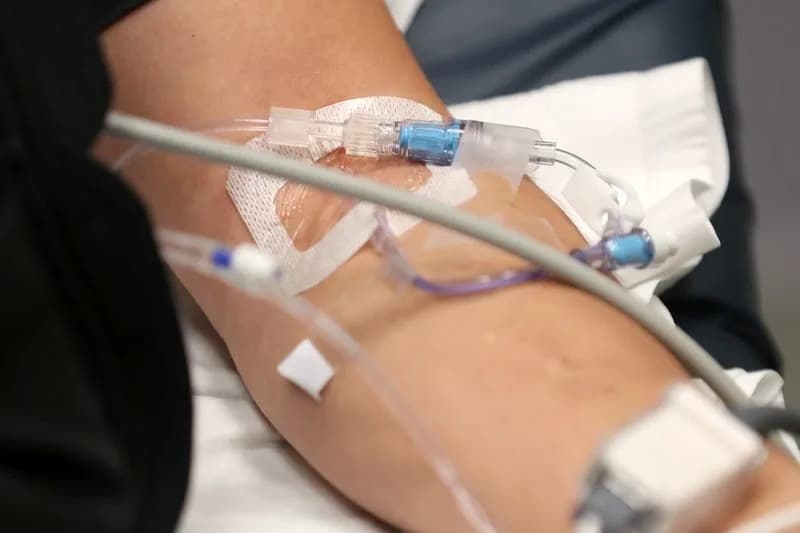
FILE PHOTO: A patient gets fluids in an IV in this illustration, U.S., January 18, 2018. REUTERS/Mike Blake/File Photo
By Nancy Lapid
July 29 (Reuters) - Two developments could change care for patients with heart failure and those at risk for tuberculosis: a newly approved at-home injection for rapid diuresis and an experimental blood test that detects TB bacterial markers across exposure levels.
Managing Heart Failure Fluid Overload At Home
U.S. patients with heart failure or kidney disease who periodically accumulate so much fluid that breathing becomes difficult may soon be able to treat episodes at home with a fast, self-administered injection instead of receiving an intravenous infusion in an emergency department.
The device, an under-the-skin autoinjector called the Furoscix ReadyFlow from MannKind, delivers the loop diuretic furosemide, which helps the body remove excess water and electrolytes. The product received U.S. Food and Drug Administration approval late last week.
Approval was supported in part by data published last autumn in Clinical Therapeutics, which found that ReadyFlow produced urine output, sodium excretion and potassium excretion equivalent to intravenous furosemide at six, eight and 12 hours after administration. That evidence underpinned the device's potential to provide an effective at-home alternative to emergency-room IV treatments.
MannKind previously won FDA clearance in 2022 for an at-home option called the Furoscix On‑Body Infuser, which delivered furosemide over five hours. By contrast, the ReadyFlow autoinjector administers the medicine subcutaneously in about 10 seconds, offering a much faster delivery method. Company officials expect ReadyFlow to be commercially available in the United States by the end of August.
Blood Test Detects TB Across Exposure Levels
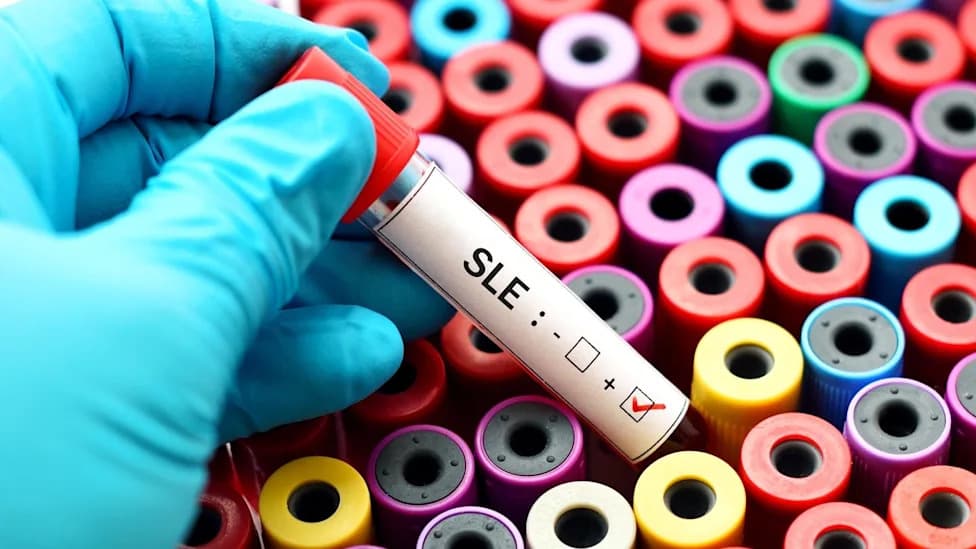
Researchers reported that a simple experimental blood test using a newly designed biosensor can sensitively detect ESAT-6, a protein produced by Mycobacterium tuberculosis. The team presented their findings at the Association for Diagnostics & Laboratory Medicine meeting in Anaheim, California.
Conventional TB diagnosis typically relies on sputum (mucus coughed up from the lungs), but many people with early disease or low bacterial burden cannot produce sputum when they first seek care. Because ESAT-6 is produced by the bacteria itself rather than reflecting the patient’s immune response, the marker may better discriminate active disease from latent infection or prior exposure.
In the study, ESAT-6 levels were lowest in uninfected people who had contact with infected individuals, intermediate in those with latent infection, and highest in patients with active pulmonary TB. The researchers said they are planning a prospective study to evaluate the biosensor’s performance in routine clinical settings.
What This Means
The ReadyFlow autoinjector could reduce emergency-room visits and allow prompt treatment of fluid overload at home, improving convenience for patients while preserving clinical outcomes—though real-world use and monitoring will be important. The ESAT-6 blood assay, if validated in prospective trials, could offer a non-sputum diagnostic tool to identify TB earlier and more accurately across a range of exposure levels.
(Reporting by Nancy Lapid; Editing by Bill Berkrot)
Help us improve.