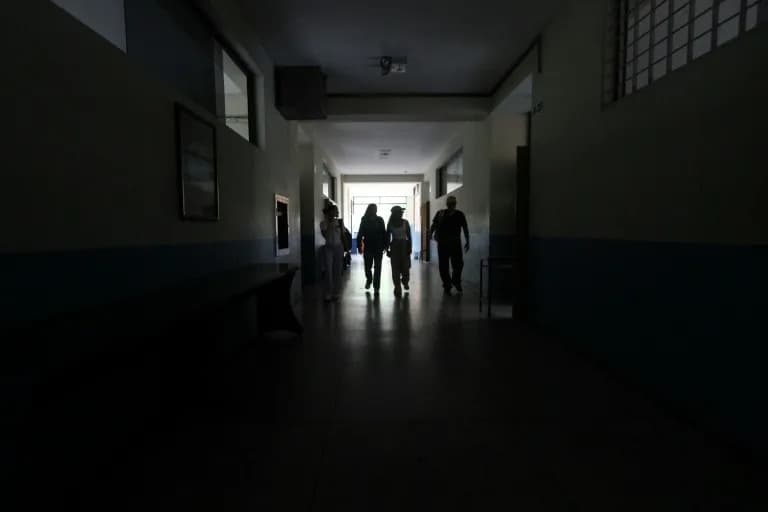
A major fault on Ghana's national grid caused a nationwide blackout, cutting power to Accra, Kumasi and large swathes of the north after several plants went offline. GRIDCo said engineers are working around the clock and a full technical investigation is under way, but gave no timeline for restoration. The outage disrupted commuters, small businesses and digital services, while hospitals relied on backup generators. The incident underlines Ghana's reliance on ageing hydropower and the ongoing need to strengthen transmission and fuel-supply resilience.
Nationwide Blackout in Ghana After Multiple Power Plants Trip Offline
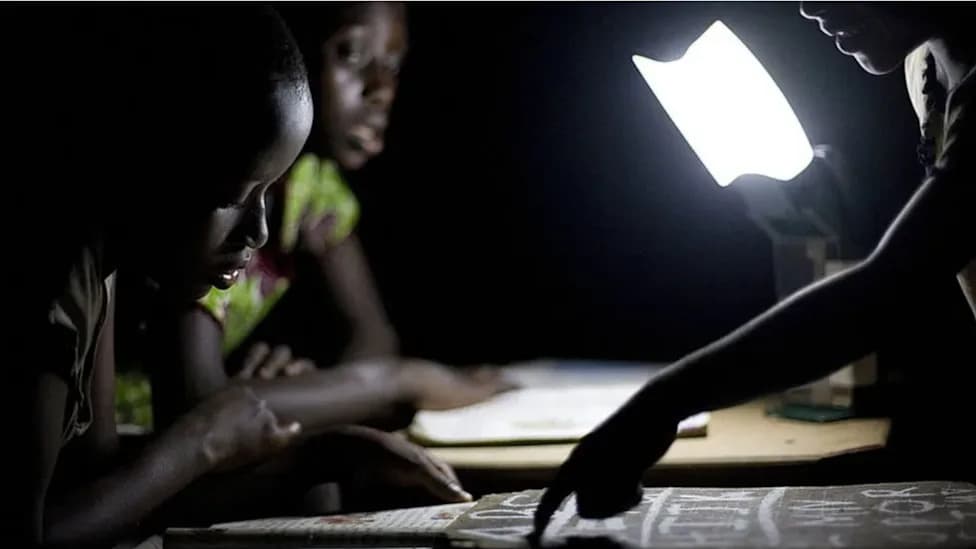
The power utility firm did not say how long it would take for normal supplies to resume [Getty Images]
A major fault on Ghana's national power grid triggered a nationwide blackout on Wednesday, cutting electricity to the capital, Accra, the commercial centre Kumasi and large parts of the northern regions.
In the early hours, several generating plants across the West African state were forced offline, the state-owned transmission firm Ghana Grid Company Limited (GRIDCo) said. GRIDCo added that its engineers and system operators were working 'around the clock' to restore supply as quickly as possible while maintaining safety.
Impact on Daily Life and Services
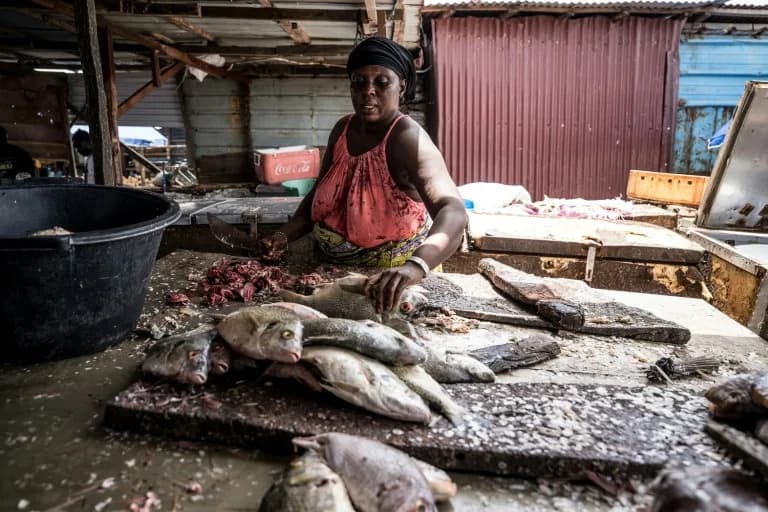
The outage left households, shops and vital public services without power across multiple regions. Many commuters struggled to get to work because uncharged phones hampered cashless payments and ride-hailing app access. Small businesses and people who rely on digital payments were particularly affected.

[BBC]
Major institutions such as hospitals generally used backup generators to maintain critical services, but the blackout disrupted routine operations and placed additional strain on emergency systems.
Causes and Energy Context
GRIDCo said it was carrying out a comprehensive technical investigation to determine the cause of the fault and did not provide a timescale for full restoration. Ghana's electricity system remains vulnerable to transmission faults and fuel supply interruptions despite recent investments.
Much of the country's power historically comes from ageing hydropower plants that have suffered from years of underinvestment and maintenance shortfalls. In recent years Ghana has expanded gas-fired generation to meet growing demand driven by population growth and urbanisation, which has helped reduce the frequency of outages but has not eliminated systemic risks.
Outlook
The blackout highlights the need for continued investment in generation, transmission infrastructure and maintenance to improve resilience. Authorities and industry stakeholders will be watching GRIDCo's investigation for findings that could guide repairs and future mitigation measures.
Help us improve.