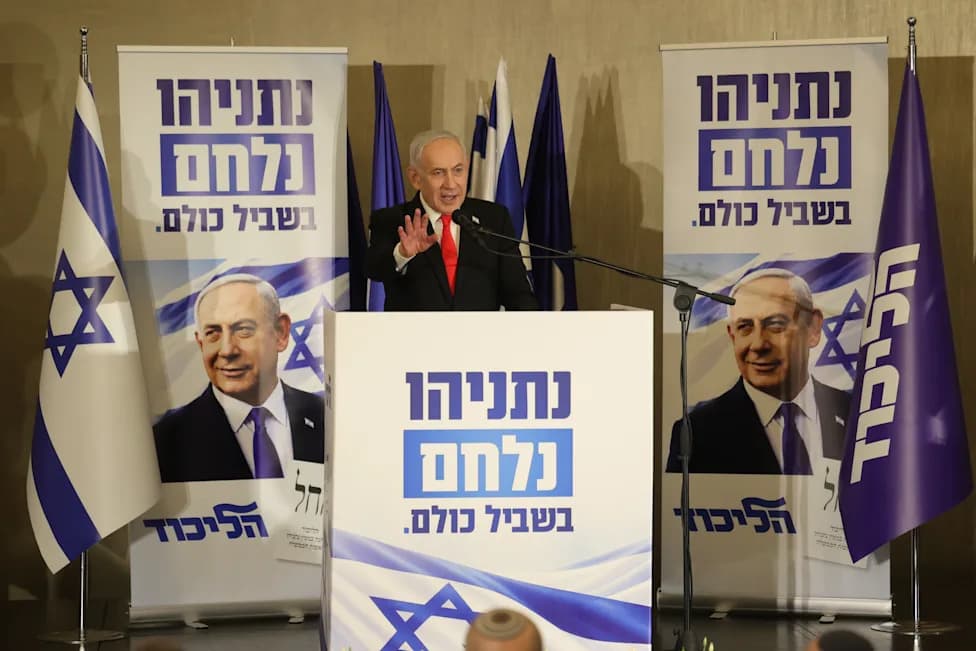
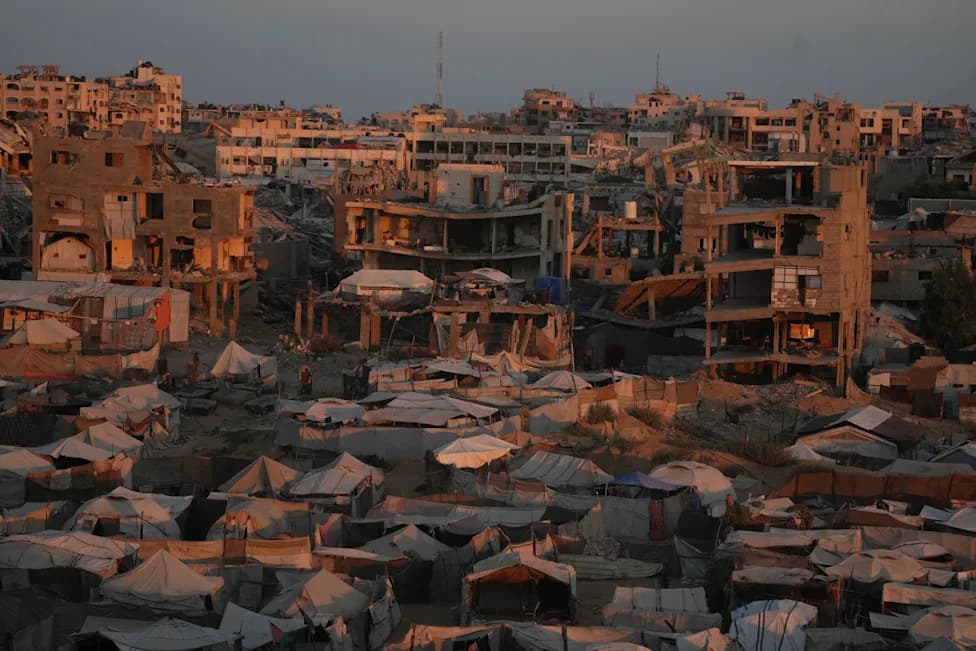
Israel's Oct. 27 election will pivot on three intertwined debates: whether to hold a fully independent inquiry into the October 7, 2023 attacks, how to resolve conscription exemptions for ultra‑Orthodox citizens, and how to manage rising living costs amid sharply higher defence spending. The election reflects broader tensions over national security doctrine, social identity and economic priorities that will define Israel's political direction.
Israel Votes Oct. 27: Accountability for Oct. 7, Conscription Battles and the Cost of War
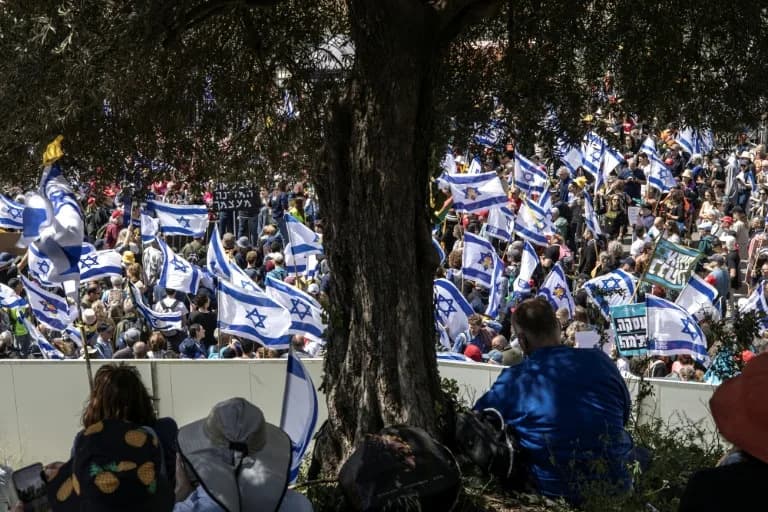
When Israel goes to the polls on October 27, voters will weigh in on conscription, the economy and how the state should investigate its inability to prevent Hamas's October 7, 2023 attack (JOHN WESSELS)
As Israel heads to the polls on October 27, voters confront a tightly linked set of issues: calls for an independent inquiry into the failures that enabled Hamas's October 7, 2023 attack, debates over conscription and religious exemptions, and mounting economic pressures made worse by sharply increased defence spending. These debates are reshaping party platforms and driving voter decisions across the political spectrum.
Accountability For October 7
Many Israelis demand a fully independent state commission to investigate the lapses that allowed Hamas's October 7, 2023 assault — the deadliest attack in Israel's history, which killed more than 1,200 people and left the country deeply scarred. Opposition parties have pledged that establishing such a commission would be an immediate priority if they enter government, citing precedent for state inquiries after national crises.
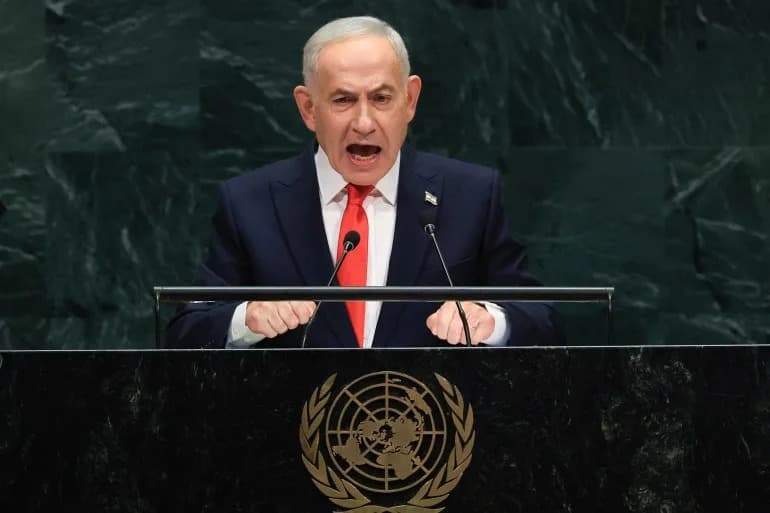
The Netanyahu government, which was in office when the attack occurred, has rejected a wholly independent probe. Instead it has faulted the security establishment and proposed a bipartisan commission with members selected by politicians — a plan opponents say is designed to limit accountability. Opposition leader Yair Lapid wrote on X that the proposal aims "to whitewash those responsible and prevent a genuine investigation".
Netanyahu has also faced scrutiny over his government's prior dealings with Qatar, which has hosted Hamas's political leadership and channeled funds into Gaza. Critics argue that long-standing arrangements allowing hundreds of millions of dollars to flow to Gaza helped consolidate Hamas's control before October 7.
Future Security Strategy
Israel's traditional security doctrine—built on strong intelligence, deterrence and short, decisive wars—shifted after October 7 toward prolonged campaigns and sustained deployments. The Israel Defense Forces maintain an ongoing presence in Gaza, southern Lebanon and parts of Syria, conduct near-daily operations in the occupied West Bank, and have carried out strikes connected to Iran and against Yemen's Iran-backed Houthi rebels.
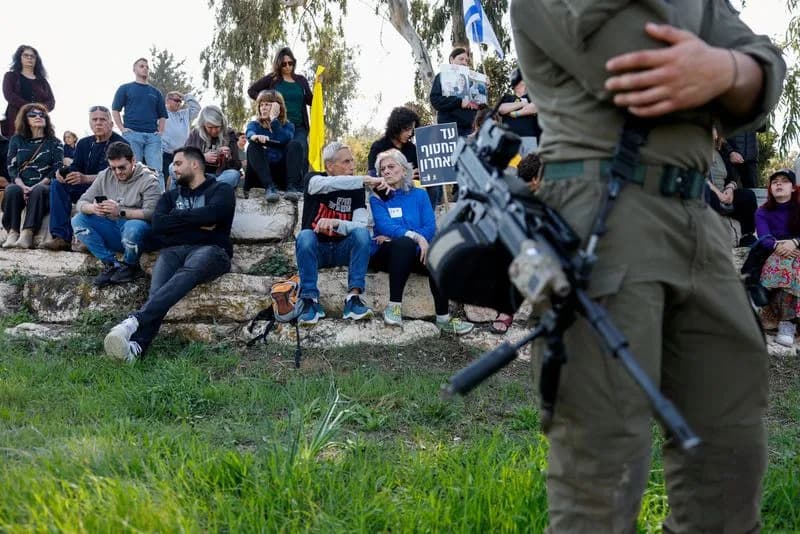
Military leaders have described newly established "security zones" across multiple theatres. That posture has strained manpower: tens of thousands of reservists have been repeatedly mobilised since 2023, prompting concerns about personnel shortages and the personal and economic cost to families and businesses.
The extended campaigns have also produced growing international criticism. According to Gaza health authorities, the death toll in Gaza has exceeded 73,000, and thousands more have been killed in Lebanon — figures that have intensified global scrutiny of Israel's conduct and raised tensions even with close allies. Former US President Donald Trump publicly rebuked aspects of Netanyahu's handling of regional confrontations.
Religion, Identity And Conscription
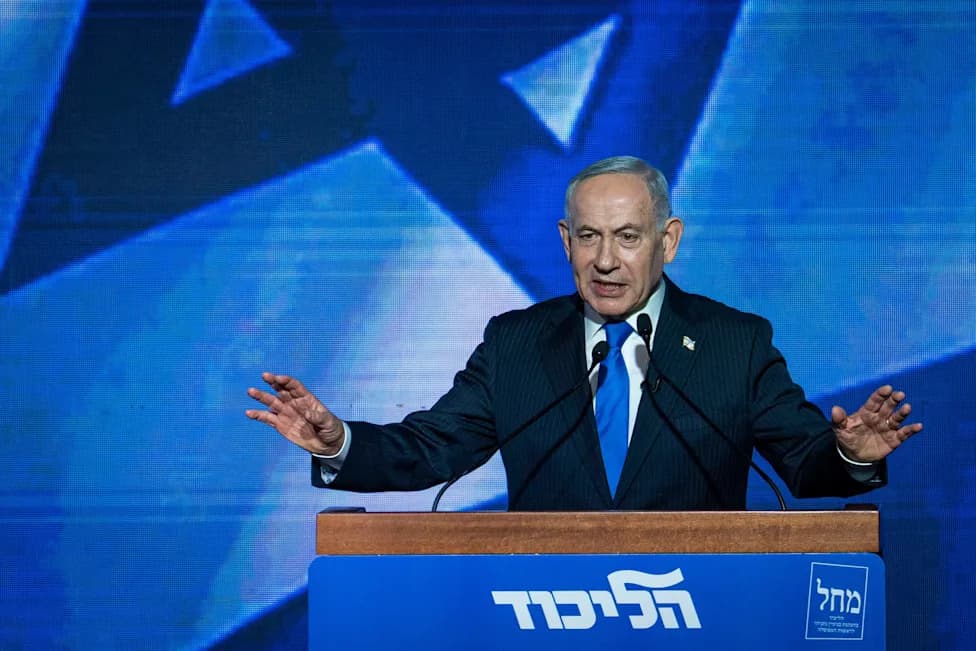
Manpower shortfalls have sharpened debate over military exemptions for ultra-Orthodox Jews, transforming a policy question into a wider argument about Israel's identity. Ultra-Orthodox parties seek to retain exemptions that allow yeshiva students to defer or avoid service; they are backed by Netanyahu's Likud and far-right coalition partners. Most opposition parties support ending these exemptions and have vowed not to join governments that include ultra-Orthodox parties.
In the final days before parliament's dissolution, the outgoing coalition advanced measures promoting gender separation in some public spaces and passed legislation underscoring Torah study. Supporters say such steps preserve Israel's Jewish character. Critics argue they increase religious influence over public life and do not reflect the views of the broader population.
Rising Cost Of Living
Beyond security, economic concerns remain central for many voters. Israel has enjoyed long-term GDP growth and low unemployment, yet it still ranks among the world's most expensive countries to live in, and median wages lag the OECD average. Structural problems—housing shortages, trade barriers and limited competition—help explain persistent high prices.
The wars have amplified these pressures. Since 2023, Israel's defence budget has roughly doubled, placing heavy demands on public finances and forcing voters to weigh trade-offs between security spending and domestic needs such as housing, health care and education.
What Voters Are Deciding
At stake in this election is not only which parties will form the next government, but how Israel balances security, accountability, social identity and economic priorities in the years ahead. The campaigns suggest a sharp choice between parties prioritising a security-first, coalition-driven agenda and those promising independent scrutiny, social liberalisation and economic reforms.
Help us improve.