President Trump granted two Kentucky chemical plants — Westlake Vinyls Inc. and Zeon Chemicals LP — a two-year exemption from new EPA fenceline monitoring and tougher emissions limits tied to a July 15 compliance deadline. The waiver delays monitoring of known and probable carcinogens including benzene and 1,3-butadiene. Environmental groups say the move allows greater pollution and reduces transparency; researchers and community advocates are pushing for the safeguards to be implemented promptly.
Trump Delays EPA Toxics Monitoring for Two Kentucky Chemical Plants, Raising Health Concerns
Photo Credit: iStock
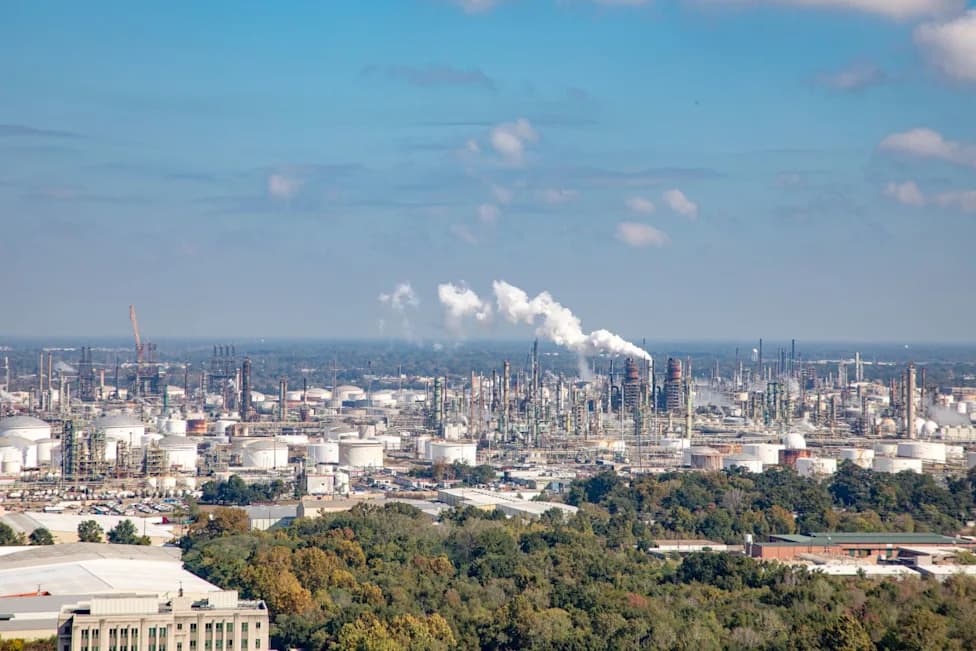
President Donald Trump has granted two Kentucky chemical facilities a temporary exemption that postpones new Environmental Protection Agency (EPA) fenceline monitoring and tougher hazardous-air-pollutant limits for at least two years. The waivers, announced two days before the July 15 compliance deadline, apply to Westlake Vinyls Inc. and Zeon Chemicals LP, delaying federal measures intended to strengthen monitoring and cut emissions of known or probable carcinogens affecting nearby communities in Louisville and Calvert City.
What the Rule Would Do
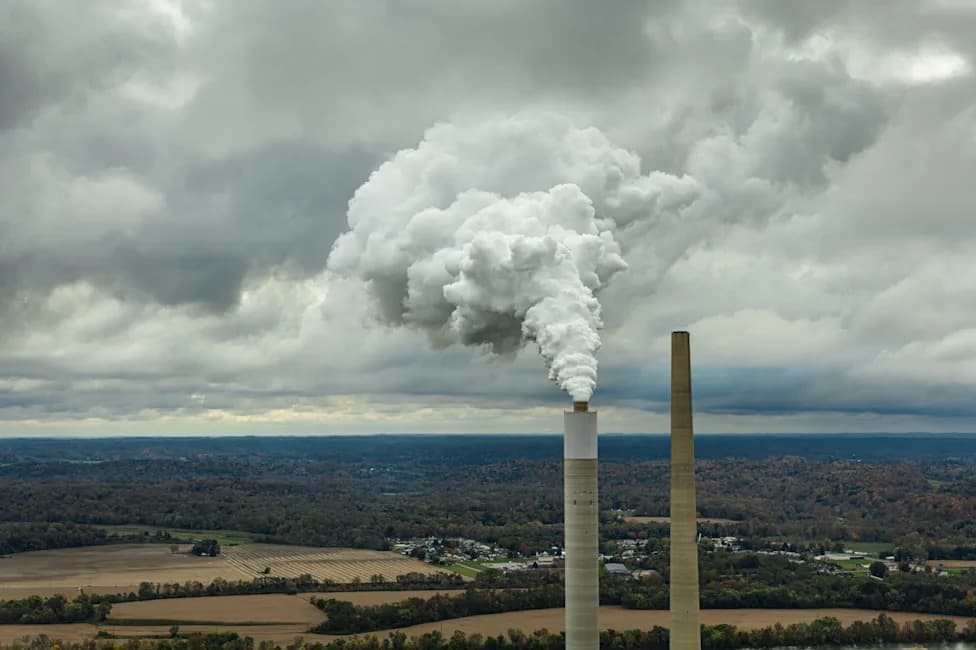
The exemptions stem from a 2024 revision to hazardous-air-pollutant regulations often called the HON rule. For many chemical manufacturers, the revision tied required reductions in ethylene oxide and chloroprene to new fenceline air monitoring for six toxic compounds. Key pollutants covered include benzene, 1,3-butadiene, ethylene dichloride and vinyl chloride — all linked to elevated cancer risk when released into air.
Official Rationale and Pushback
Trump: "The HON revision imposes substantial burdens on chemical manufacturers already operating under stringent regulations," and he said exemptions will help sustain a "robust domestic chemical industry."
Environmental and community advocates sharply criticized the move. Sarah Buckley, senior attorney at the Natural Resources Defense Council (NRDC), said: "The short story is: Exempted facilities are allowed to pollute more than non-exempted facilities. And what they are polluting... is the most hazardous toxic air pollutants regulated under the Clean Air Act."
Local Data and Community Impact
WKMS cited 2024 EPA reporting that Westlake released 15,335.49 pounds of benzene, 4,541.77 pounds of 1,3-butadiene, 21,106.01 pounds of ethylene dichloride (air and water combined), and 6,564.75 pounds of vinyl chloride. Zeon reported 383.9 pounds of 1,3-butadiene released to air in 2024. An EPA air study around the Calvert City Industrial Complex linked Westlake to 96% of the ethylene dichloride measured there. Separately, Zeon previously agreed to a $1.5 million settlement in a class-action lawsuit over emissions from its Rubbertown plant in Louisville.
Feasibility and Legal Disputes
Opponents of the exemptions argue many facilities already possess the equipment and operational practices needed to comply. The NRDC has told courts that much of the HON rule emphasizes improved leak detection and strengthened work practices rather than wholly new hardware. Byron Gary, senior attorney with the Kentucky Resources Council, also noted that oil refineries have operated under comparable fenceline monitoring rules for nearly a decade, and that other Kentucky facilities appear to be moving toward compliance.
Next Steps
Researchers at the University of Louisville continue studying potential health effects tied to elevated pollution near Calvert City, while local advocates press for the delayed safeguards to be implemented promptly. Supporters of the exemptions say the pause provides industry time to adapt without disrupting operations; critics say it prolongs community exposure to hazardous pollutants and reduces transparency about offsite releases.
Fenceline monitoring is designed to measure contamination at a facility's perimeter — the location where nearby residents and workers are most likely to experience the effects of hazardous air pollutants escaping plant boundaries.
Help us improve.