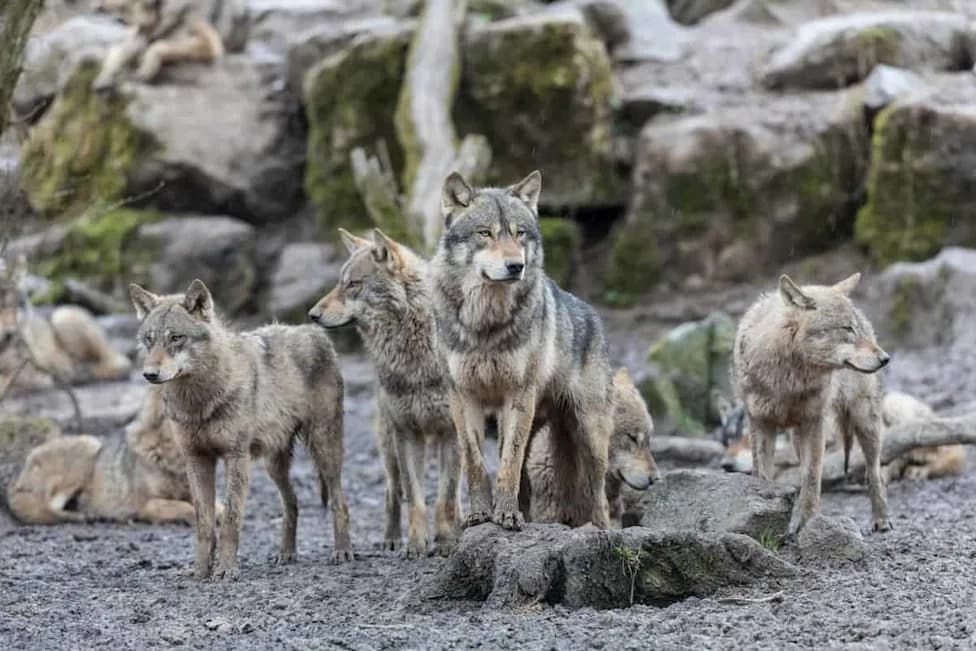
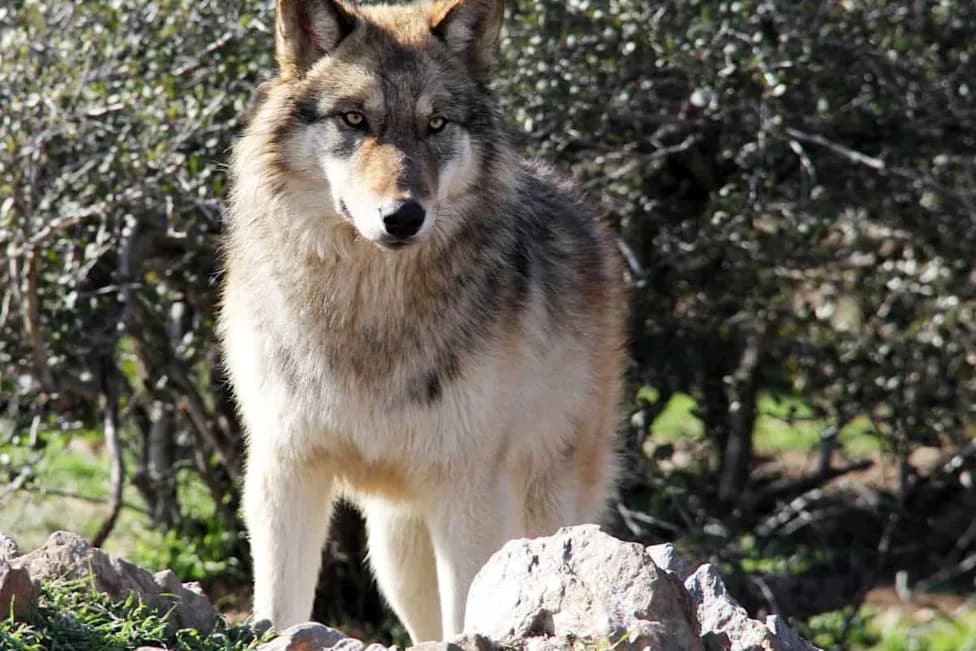
New Mexico State University researchers report the first modern U.S. cases of Mexican gray wolves killing and consuming feral horses. Using GPS collars, they tracked 36 wolves from 24 packs between 2019 and 2023 and documented two incidents in New Mexico and Arizona. Published in the Journal of Wildlife Management, the study suggests feral horses may become a novel food source where native prey is limited and highlights knowledge gaps relevant to ranching and wildlife management.
Mexican Gray Wolves Confirmed to Kill Two Feral Horses in First U.S. Cases
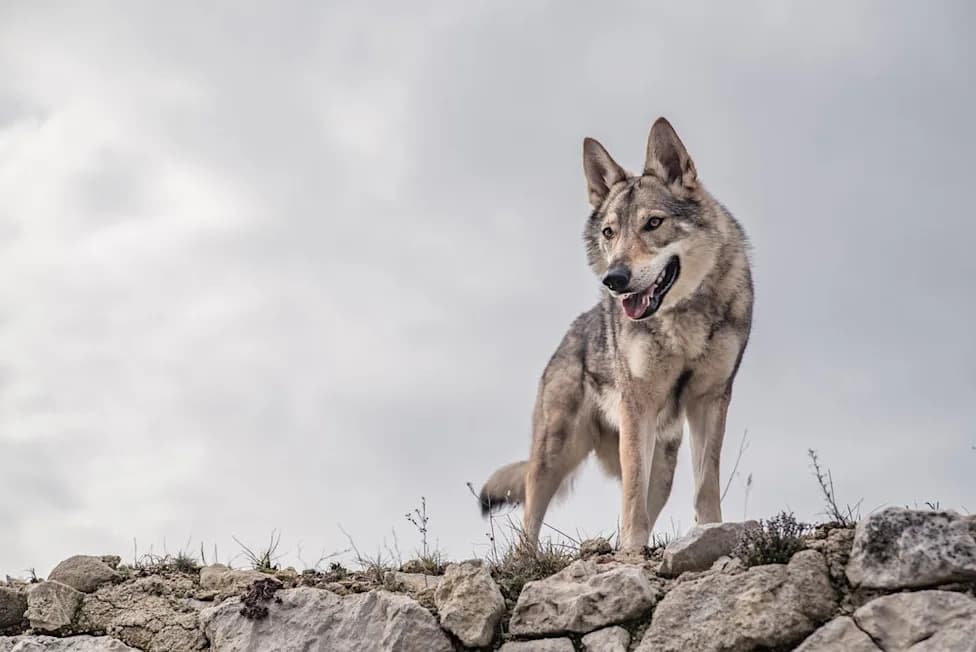
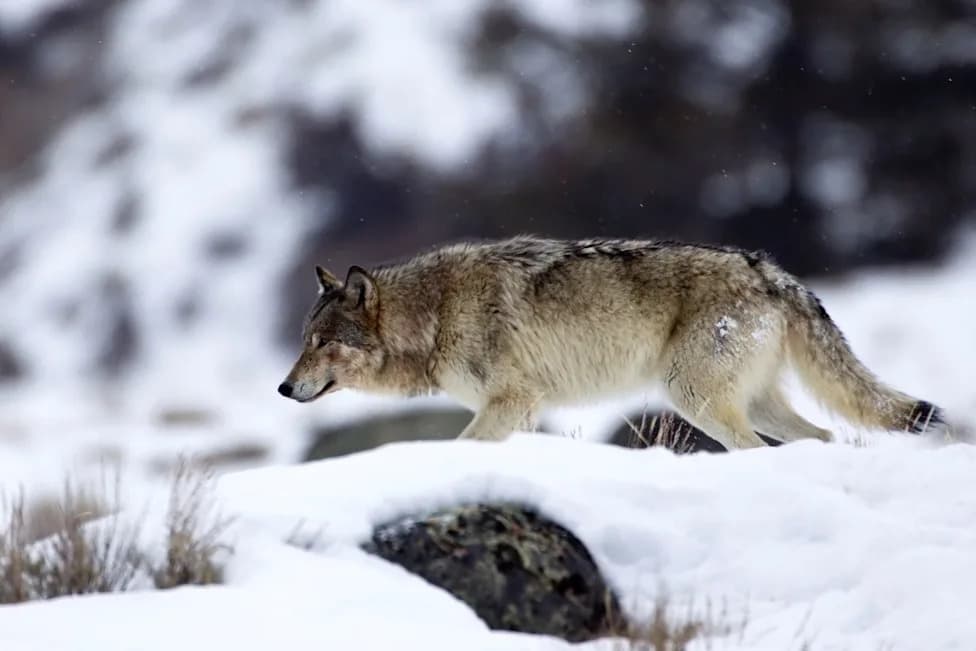
Image by mjurik, Shutterstock
Researchers at New Mexico State University have published the first modern, documented cases in the United States of Mexican gray wolves killing and consuming feral horses. The study, published in the Journal of Wildlife Management, analyzed GPS collar data and physical evidence to reach its conclusions.
How the Study Was Conducted
The team tracked 36 Mexican gray wolves from 24 packs across New Mexico and Arizona between 2019 and 2023 using GPS collars. Investigators visited carcass sites and examined prey remains, assessing tooth marks, feeding patterns, and other indicators while ruling out alternative causes of death. Two separate incidents were identified in which wolves killed and consumed free-roaming horses (Equus caballus).
Researchers noted that 'feral horses may provide a novel food source for wolves, particularly in regions where native prey populations are more limited.'
Context and Implications
The Mexican gray wolf was reintroduced to the wild in the late 1990s as part of the Blue Range Wolf Recovery Area, spanning eastern Arizona and western New Mexico. Although wolf predation on wild and feral horses has been documented in parts of Europe, Asia, and Canada, these are the first verified cases reported in the U.S. since the Mexican wolf's reintroduction.
Ranchers in the region have already adjusted management practices in response to growing wolf populations, and increased livestock depredation has been widely reported. The confirmation that wolves can prey on feral horses adds a new factor to wildlife managers' and ranchers' considerations amid drought, rising costs, and labor shortages.
Knowledge Gaps
The researchers emphasize that the findings highlight gaps in understanding wolf ecology and changing food webs. As wolf populations expand or shift, feral horses could become a more important part of their diet in some areas, with implications for conservation planning and livestock management.
Help us improve.