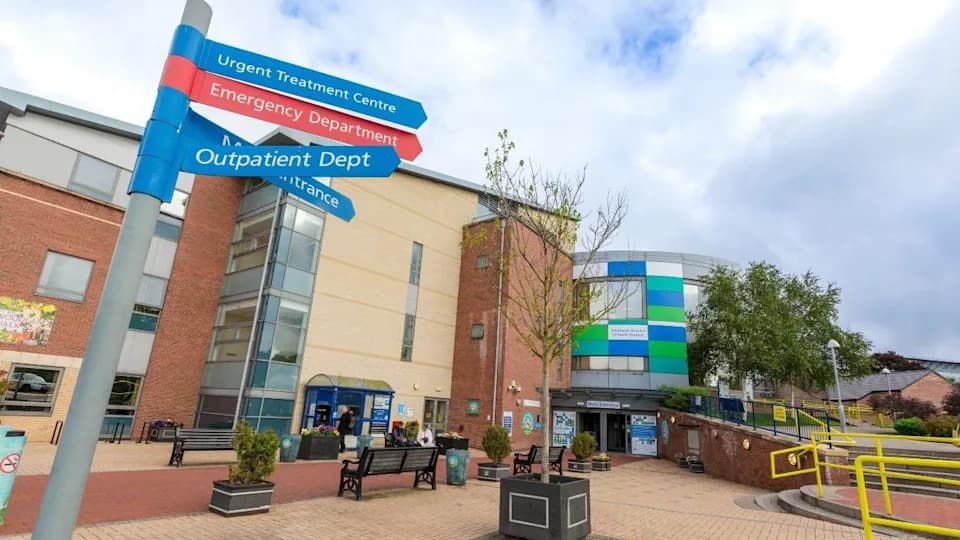
Lynette McHendry was diagnosed with aggressive stage four breast cancer at 37 and spent the next decade undergoing surgery, targeted chemotherapy and brain surgery before reaching and maintaining No Evidence Of Active Disease (NEAD) since 2018. After a second opinion in London she was found to be BRCA1 positive and received platinum chemotherapy and PARP inhibitors initially not available in Northern Ireland. Her campaigning helped trigger Northern Ireland's first audit of stage four breast cancer and pushed for wider access to personalised treatments.
“Lucky to Survive”: How Lynette McHendry Beat Stage Four Breast Cancer and Fought for Treatment Access
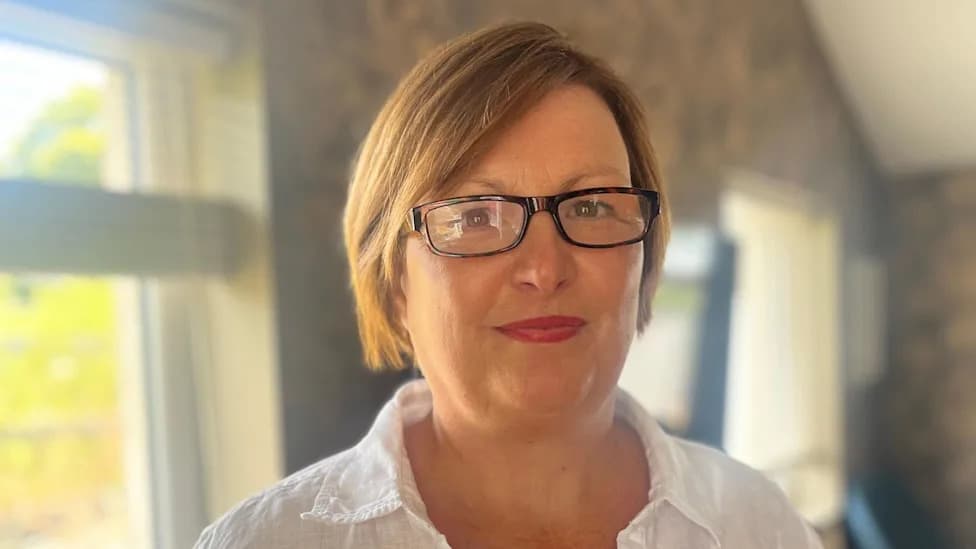
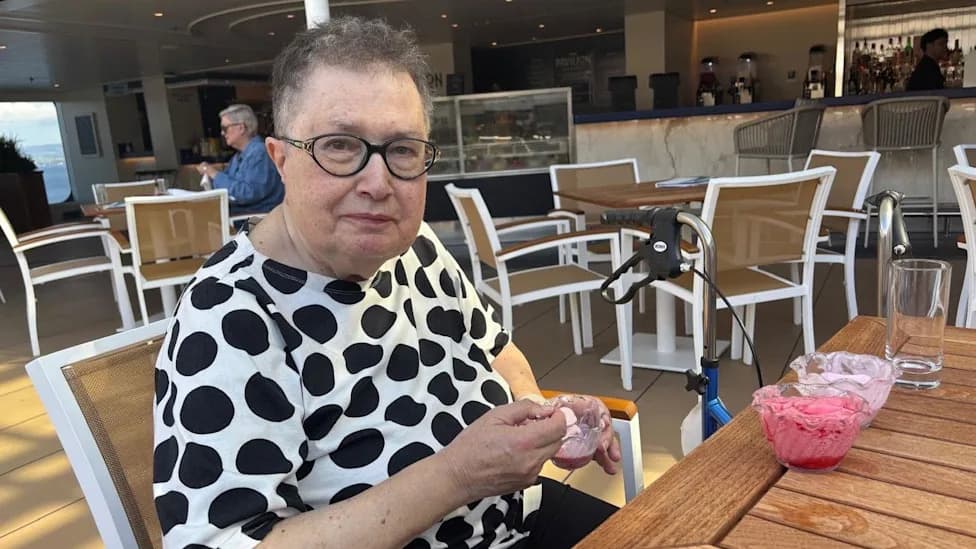
Lynette McHendry is now eight years in breast cancer remission [BBC]
Lynette McHendry was diagnosed with aggressive stage four breast cancer at 37. Over a decade of treatments, clinical trials and determined campaigning have defined her journey — from a double mastectomy and targeted therapies to brain surgery and, ultimately, sustained remission. Her experience highlights both the trauma of a difficult diagnosis and the progress in personalised cancer care.
Diagnosis, Treatment and a Fight for Access
In July 2015, during a family holiday, Lynette felt pain in her left breast. Within two weeks a GP referral and mammogram led to a diagnosis of inflammatory breast cancer. Unusually, she had previously developed triple-negative breast cancer in her right breast, and the combination made her case particularly aggressive.
In February 2016 she underwent a double mastectomy. Post-operative pathology showed the inflammatory disease had cleared but confirmed a 1.8 cm Grade 3 triple‑negative tumour and cancer in 15 lymph nodes — a worrying prognosis. Genetic testing later confirmed she was BRCA1 positive, which opened more targeted treatment options.
"I am fortunate to have survived a stage four diagnosis when so many of my friends and patients I met along the way didn't make it," Lynette said, remembering friends she lost, including Julie Ann Lillis.
Unhappy with local treatment plans, Lynette sought a second opinion at The Royal Marsden Hospital in London. There she was advised to have platinum‑based chemotherapy and genetic-guided therapies such as PARP inhibitors — treatments that were not routinely available to patients like her in Northern Ireland at the time. Determined, she changed hospitals multiple times until she found a consultant who would offer personalised care.
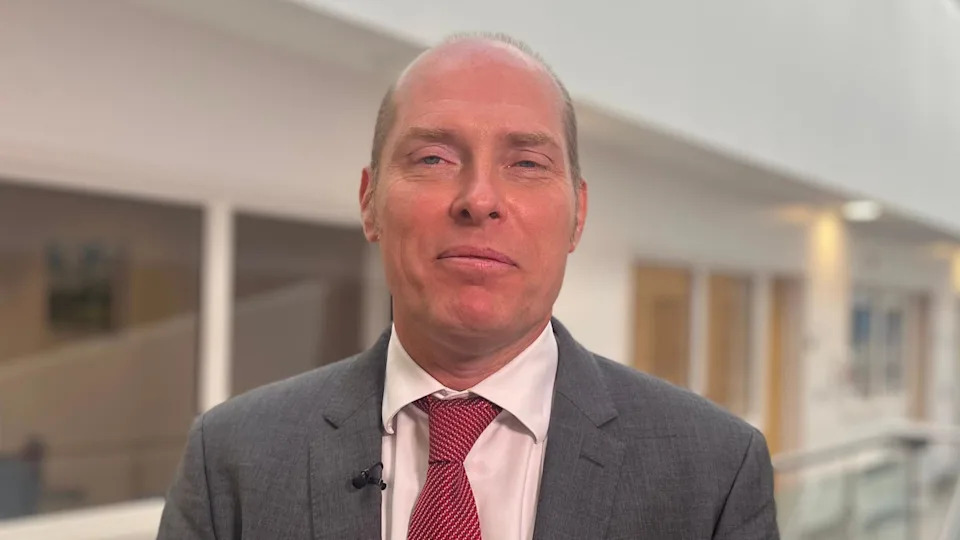
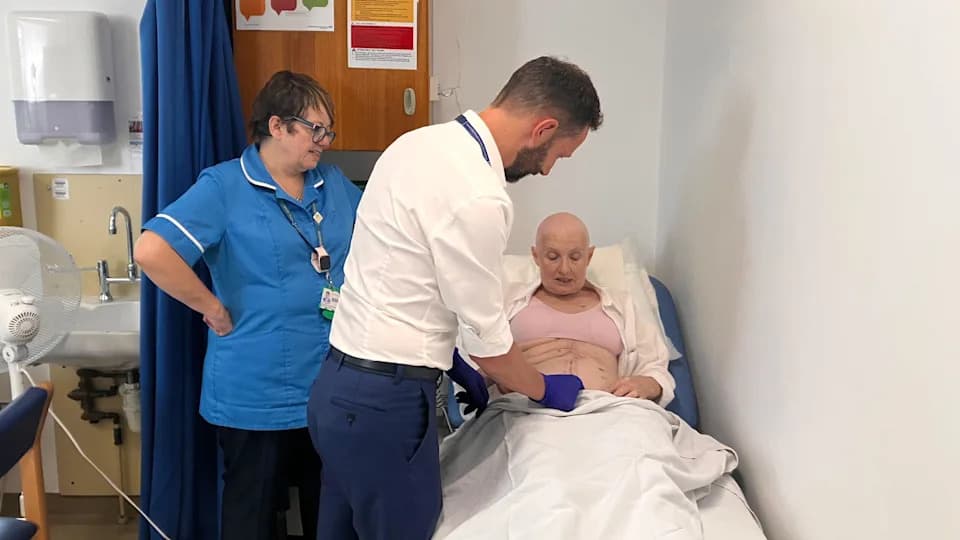
Stuart McIntosh says "over the last 10 years things have improved substantially for women like Lynette" [BBC]
Complications, Recovery and Remission
After initial treatments, the cancer later spread to Lynette's brain. She underwent two craniotomies, stereotactic radiotherapy for brain lesions and faced complications including sepsis and partial paralysis. By 2018 scans showed No Evidence Of Active Disease (NEAD), a status she has maintained since.
Her personalised regimen, which included PARP inhibitors, combined with advocacy and engagement with patient groups, helped shape broader conversations about access to precision therapies across Northern Ireland.
Advocacy and Systemic Change
Lynette was a founding member of Beaconbridge, a patient group that pressed for Northern Ireland's first audit into how many women live with stage four breast cancer. That audit continues to inform policy and service planning. She has spoken at research meetings, supported fundraising for BRCA research and published her memoir, Unbroken, to encourage other patients to seek personalised care.
Professor Stuart McIntosh of Queen's University Belfast, lead breast surgeon at the Belfast Cancer Centre, says the last decade has brought meaningful advances: earlier diagnosis, personalised treatments and involvement in clinical trials — including research into PARP inhibitors — which are improving outcomes for many patients.
Lynette's story is a testament to resilience, informed advocacy and the impact of targeted therapies. She hopes her experience reassures others that living with — and beyond — advanced breast cancer is increasingly possible.
Help us improve.