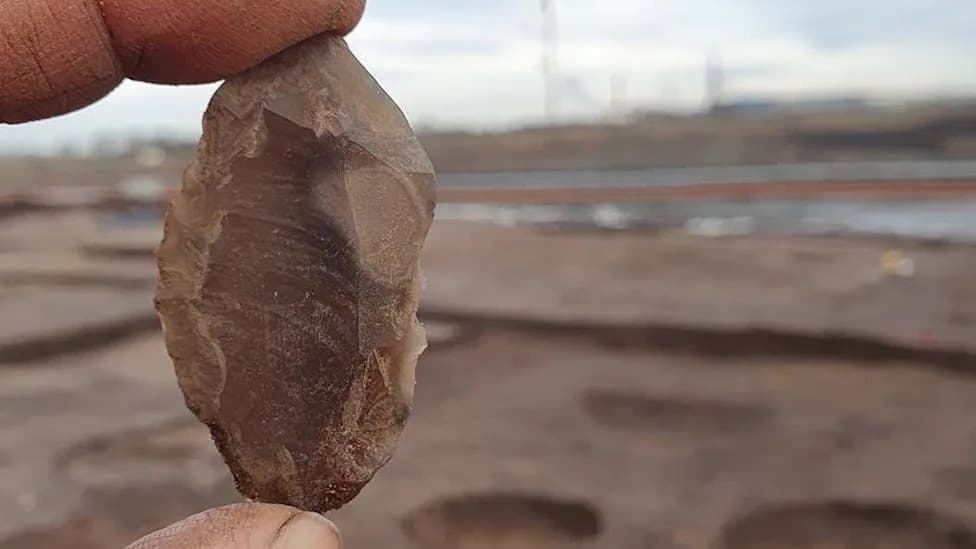
The Sprouston excavation on the banks of the River Tweed is investigating crop marks first recorded in the 1970s that may mark an early Neolithic causewayed enclosure — possibly the most northerly known. Archaeologists have already recovered Mesolithic tools (up to ~8,000 years old), early Neolithic artefacts (~6,000 years old), an Iron Age weight, butchered animal bones and a likely Roman-period coin. Results will undergo months of dating and specialist analysis and contribute to the wider Destination Tweed project exploring multiple sites along the river.
Archaeologists Dig at Sprouston for Potential 6,000-Year-Old Neolithic Enclosure — Could Be The Most Northerly Known
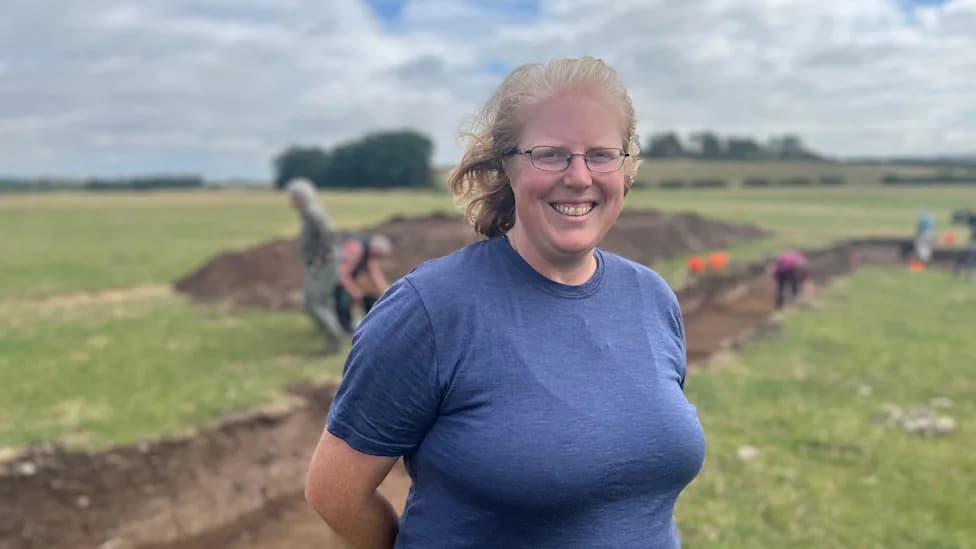
Cathy MacIver from AOC Archaeology is leading the excavation at Sprouston [BBC]
An archaeological excavation beside the River Tweed near the village of Sprouston in the Scottish Borders is probing crop marks first seen in the 1970s. Recent aerial photography and geophysical surveys suggest buried ditches and structures that may include a segmented, causewayed enclosure dating to the early Neolithic — potentially the most northerly example yet identified.
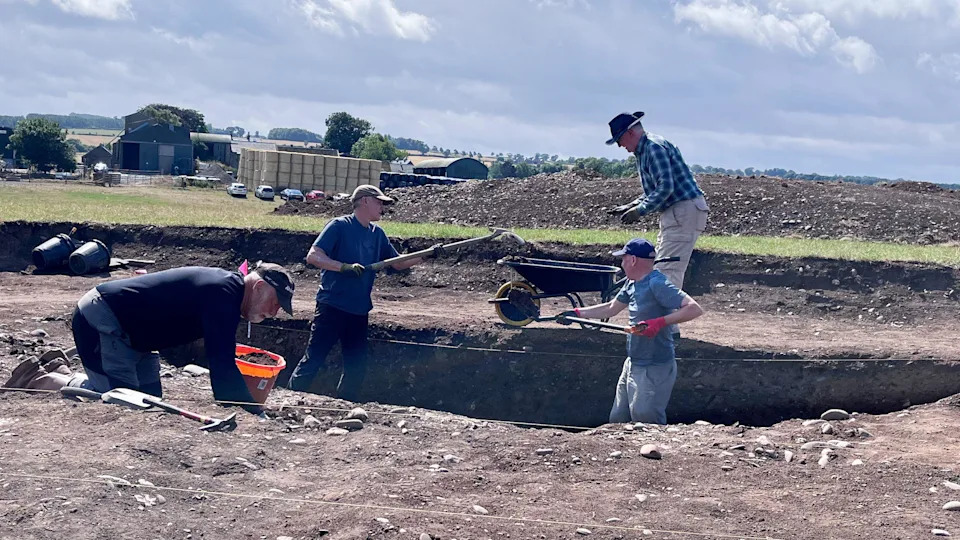
The dig is taking place over three weeks on the banks of the River Tweed [BBC]
A Long Sequence of Human Activity
Earlier surveys of the riverside grazing fields have revealed a range of buried features — from buildings to pits and ditches — that appear to span several millennia, from the Mesolithic and early Neolithic through the Iron Age and into the medieval period. The three-week excavation aims to test those interpretations and recover material that will be dated and analysed in the months after fieldwork finishes.
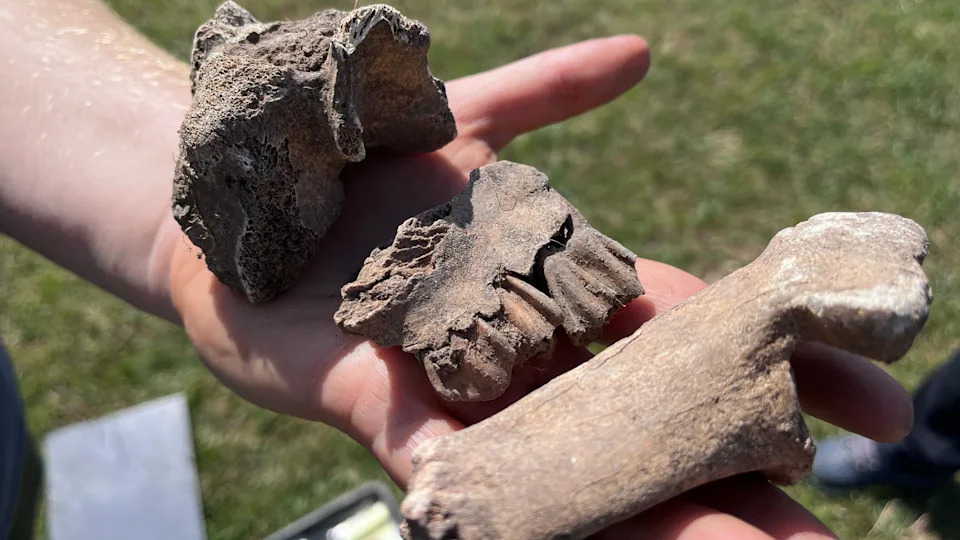
Animal bones with signs they had been butchered have been found in one pit [BBC]
Important Finds So Far
During the first week of excavation archaeologists and volunteers recovered a variety of artefacts and ecofacts: Mesolithic cutting tools up to around 8,000 years old, early Neolithic scrapers (about 6,000 years old), an Iron Age stone weight, animal bones showing butchery marks and an unidentified copper-alloy coin thought to be Roman period. These finds demonstrate repeated use of the riverside bend over thousands of years.
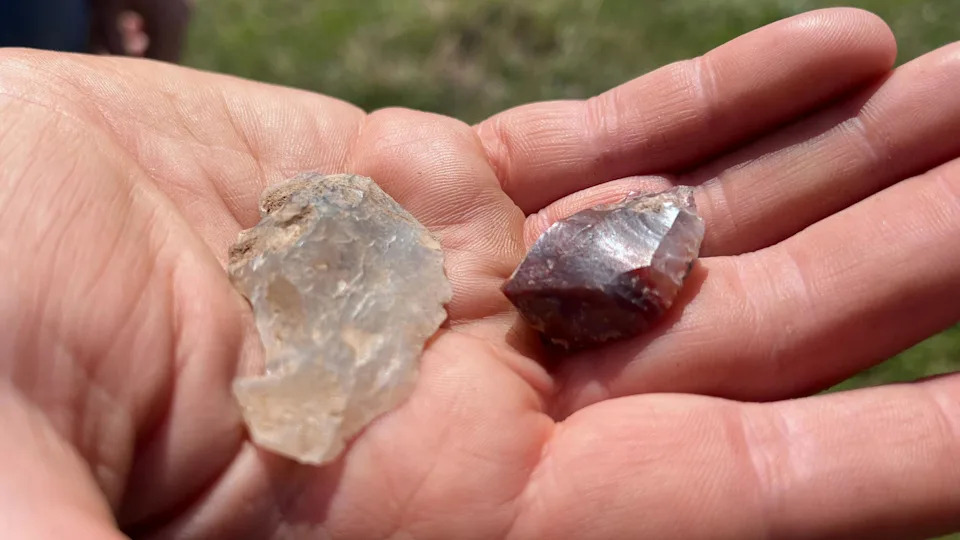
Mesolithic cutting blades which date back around 6,000 years have been unearthed [BBC]
Why a Causewayed Enclosure Would Matter
Causewayed enclosures are a distinctive type of early Neolithic monument widely known from southern Britain and continental Europe. If the segmented ditch at Sprouston is confirmed as a causewayed enclosure, it would extend the known northern limit for this monument type and prompt fresh thinking about how early farming practices and social practices spread into Scotland.
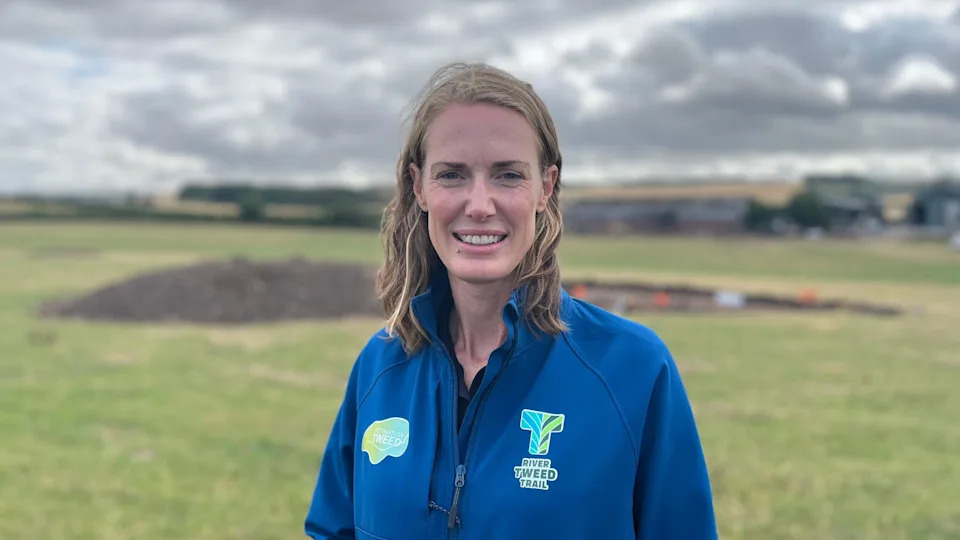
Charlotte Douglas from the Destination Tweed project said the spot must have been an appealing place to live [BBC]
Cathy MacIver (archaeologist): "If the proposed interpretation of this feature as a causewayed enclosure is correct, this would be the most northerly example and an exceptional monument."
Community Project and Broader Context
The excavation is part of the Destination Tweed project, which links investigations at five other sites along the Tweed to build a regional picture of changing landscapes and communities. Historic Environment Scotland is among the project's backers, and community involvement is strong: about a dozen volunteers, including local heritage group members, are working alongside professional archaeologists.
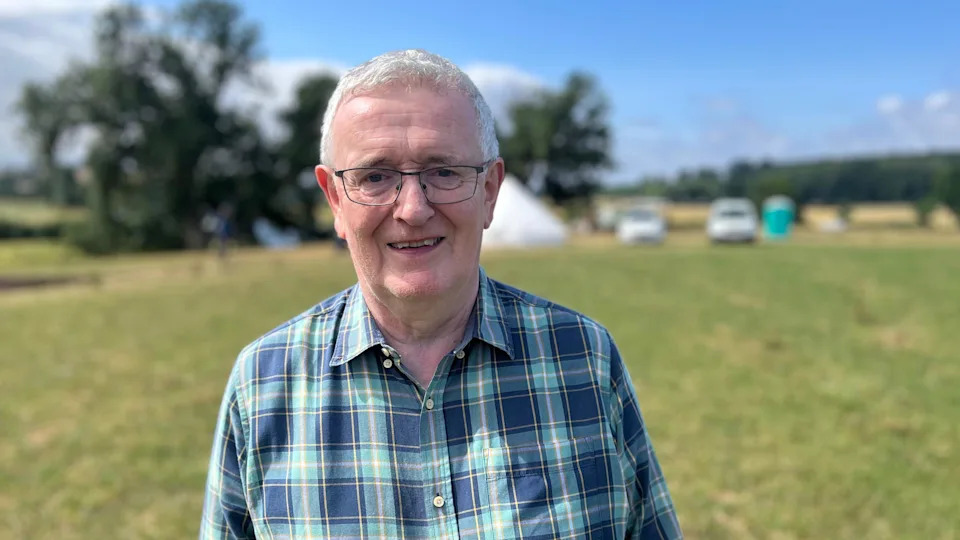
Dig volunteer Colin Henderson is the chairman of Kelso Heritage Society [BBC]
Charlotte Douglas (Project Officer, Destination Tweed): "It's a very wide timescale that they're investigating here at Sprouston — several thousand years worth of activity. You can tell it must have been a very appealing place to live in the past so communities have repeatedly chosen to settle at this spot on the bend of the river."
Once excavation ends, the team will undertake months of radiocarbon dating, specialist sampling and analysis to build a chronological and environmental picture of human activity at Sprouston across the last eight millennia. The results will be published and fed back to the community as part of the project's outreach work.
Help us improve.