Brendan Gunn, former director of Mormarkets and brother of Australian Olympian Rachael "Raygun" Gunn, was sentenced to 12 months in New South Wales after admitting he handled more than $180,000 suspected to be proceeds of an offshore crypto investment fraud. Despite bank warnings about suspicious activity, prosecutors say Gunn continued to process the funds. The Local Court released him on a $3,000 recognizance with a one-year good-behaviour condition. ASIC framed the case as part of broader efforts to disrupt international investment scams and urged investor caution.
Raygun’s Brother Sentenced to 12 Months Over Role in Offshore Crypto Scam
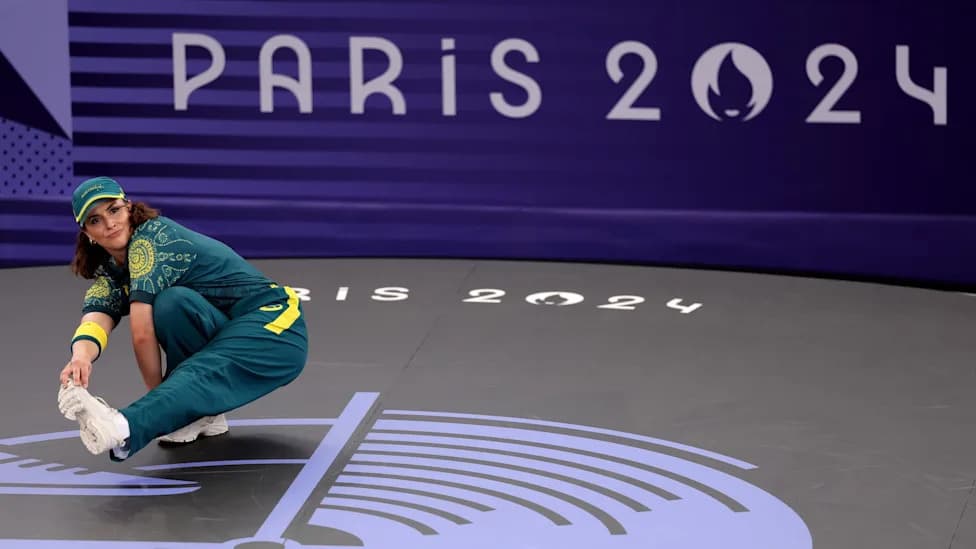
Photo Credit: Getty Images
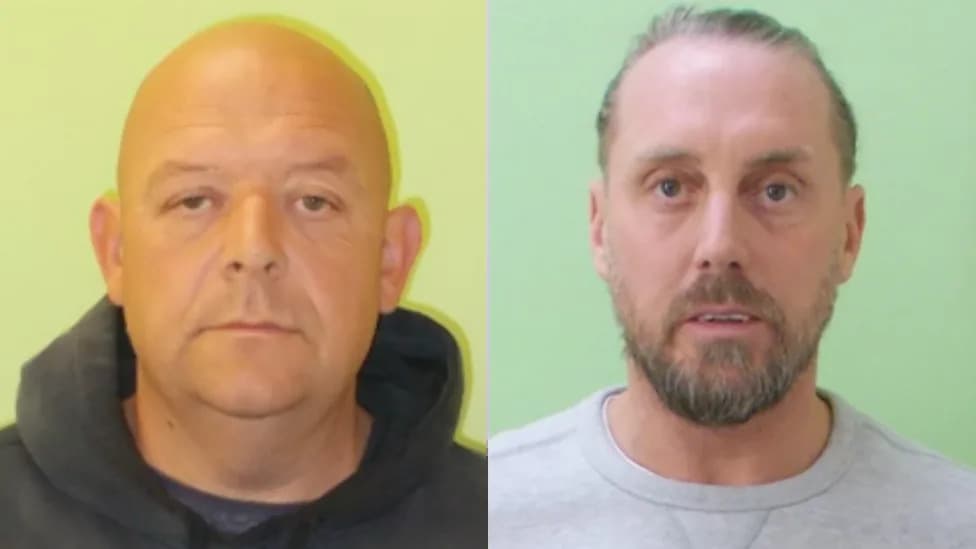
Brendan Gunn, brother of Australian breakdancer and Olympian Rachael "Raygun" Gunn, has been sentenced to 12 months in prison in New South Wales after admitting he handled more than $180,000 that investigators say were proceeds of an offshore cryptocurrency investment fraud.
Gunn previously served as finance director and a director of Mormarkets, a company that began accepting deposits from Australians for cryptocurrency and other investments in December 2018. Between January 2019 and May 2020, Mormarkets opened 22 bank accounts across six financial institutions. Multiple banks alerted Gunn after customers reported suspicious or potentially fraudulent activity involving funds paid into those accounts.
The Australian Securities & Investments Commission (ASIC) says Gunn ignored those warnings and, by continuing to move the funds, assisted suspected international scammers in moving money taken from Australian victims.
"By continuing to deal with those funds, he helped suspected international scammers move money taken from Australians," ASIC Chair Sarah Court said.
The Local Court of New South Wales imposed the maximum 12-month sentence, but Gunn was released immediately after signing a $3,000 recognizance that requires him to stay law‑abiding for one year.
Wider Context
Public attention on the Gunn family has been heightened by an upcoming Netflix documentary about Rachael Gunn, who scored zero points in the breakdancing competition at the 2024 Paris Olympics. The case also underlines the challenges regulators face in policing cross-border crypto frauds: once funds leave the country, recovery is often difficult.
While digital assets and blockchain technology are not inherently fraudulent and some projects aim to be energy-efficient or tied to renewables, parts of the sector remain vulnerable to abuse. The blend of technical complexity, rapid innovation and global reach can make crypto platforms attractive to bad actors promising quick returns.
Regulatory Response and Investor Advice
ASIC works with the National Anti-Scam Centre and law enforcement agencies to disrupt alleged facilitators of investment scams and to pursue institutions whose failures leave customers exposed. ASIC has emphasized it will continue to hold facilitators and enablers to account.
Experts advise investors to verify whether a platform is properly licensed, be highly skeptical of guaranteed returns, avoid pressure to move funds quickly, and be cautious about transfers to overseas accounts or unfamiliar crypto wallets.
Help us improve.