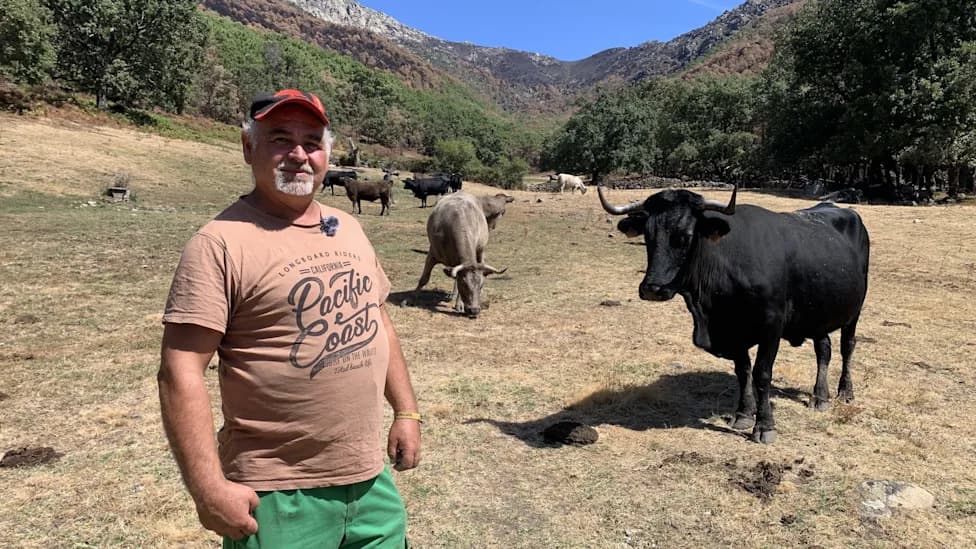
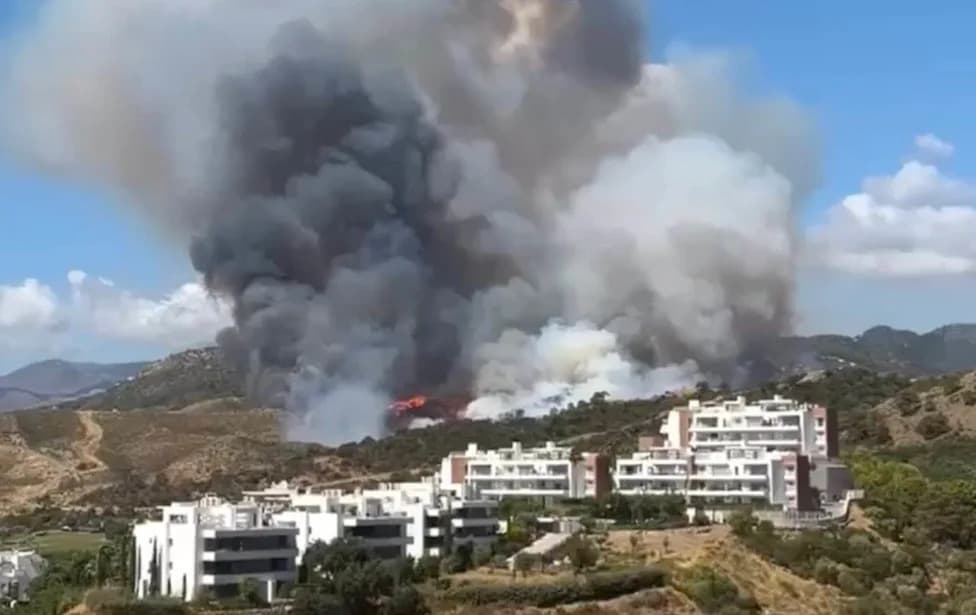
Prime Minister Pedro Sánchez said Spain is beginning to see a "light at the end of the tunnel" in its battle against widespread wildfires, but warned conditions remain precarious. He condemned climate denialism and called for a cross-party climate agreement. Nearly 100,000 people have been affected—more than 63,000 evacuated and about 35,000 confined—while a new heatwave threatens to worsen the situation. Authorities reported progress with lifted evacuation orders in 13 municipalities but remain on maximum alert.
Spain Sees Signs Of Progress Against Devastating Wildfires as Sánchez Condemns Climate Denial
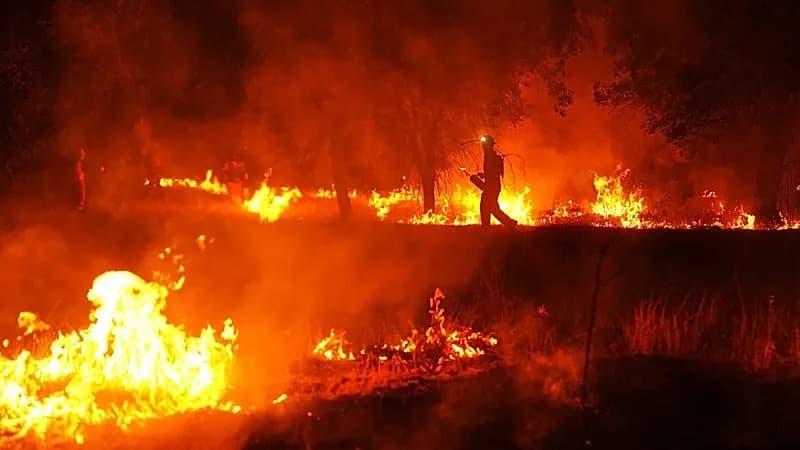
Spanish PM Sánchez calls out climate denial after devastating week of wildfires
Prime Minister Pedro Sánchez said on Tuesday that Spain is beginning to see a "light at the end of the tunnel" in efforts to control the widespread wildfires still burning across the country, but he warned that the coming hours would remain challenging.
Government Response and Warnings
Speaking at his customary pre-summer-break press conference, Sánchez sharply criticised climate denialism, calling it "the worst possible fuel for tackling the climate emergency; it makes us much more vulnerable." He urged a cross-party climate agreement, describing it as "an imperative, not an option."
On-the-Ground Situation
Fire crews continue to battle large blazes in Ávila and the merged fronts affecting San Martín de Valdeiglesias and Villa del Prado in the Madrid region. Authorities are treating those outbreaks as a single major incident because fire fronts have joined. The emergency is having a serious impact on local communities across several regions.
According to official government figures, nearly 100,000 people have been affected in Castile and León, the Community of Madrid and Castile-La Mancha. More than 63,000 people were evacuated and roughly 35,000 remain confined to their homes.
Operations, Resources and Prevention
Interior Minister Fernando Grande-Marlaska told TVE that recent efforts had produced "reasonably positive" results. He said night-time operations were effective and that the priority is to consolidate gains on the ground. While officials report sufficient resources have been deployed, Grande-Marlaska urged stronger wildfire prevention policies and a modernised aerial firefighting fleet to improve future responses.
The Interior Ministry said evacuation orders were lifted in 13 municipalities across two affected areas at 17:00 (15:00 GMT) on Tuesday. It was not immediately clear how many residents could return home straight away, but authorities framed the move as a sign of progress.
Ongoing Risks
Authorities remain on maximum alert. A new heat dome is forecast to bring extreme temperatures, very dry air and stable atmospheric conditions—factors that could reignite hotspots and hinder firefighting efforts across Ávila, Madrid, Toledo and Castellón.
Cause And Impact
Investigators suspect the fire began when heavy machinery was used without authorisation in a forested area near Burgohondo. Since then, flames have devastated large areas of the Alberche Valley, the Sierra de Gredos, Tierra de Pinares, the Tiétar Valley and the surroundings of the El Burguillo reservoir.
Outlook: Officials urge continued vigilance as crews press on to contain remaining fire fronts, while political leaders call for accelerated prevention measures and investment in firefighting infrastructure to reduce future risks.
Help us improve.