The U.S. cyclospora outbreak has been partially linked to iceberg lettuce from Taylor Farms' central Mexico operations, prompting some retailers and restaurants to stop sourcing produce from the region. Investigators are also examining parsley and cilantro as possible sources. The CDC reports 4,173 lab-confirmed cases and over 7,400 suspected cases, though experts say actual infections may be much higher. Mexican authorities report initial water and lettuce tests were negative and urge patience as probes continue.
Retailers Pull Produce From Central Mexico as U.S. Cyclospora Outbreak Widens, Ex-FDA Chief Says

Former FDA Commissioner Dr. Scott Gottlieb said Monday that weather conditions had raised the risk of contamination in central Mexico. - Brendan McDermid/Reuters/File
Several major U.S. retailers and restaurant chains have halted or reduced purchases of produce from a central Mexico growing region after investigators linked a widening cyclospora outbreak to iceberg lettuce from Taylor Farms' operations there, former U.S. Food and Drug Administration Commissioner Scott Gottlieb said.
Investigation, Links and Supply-Chain Impact
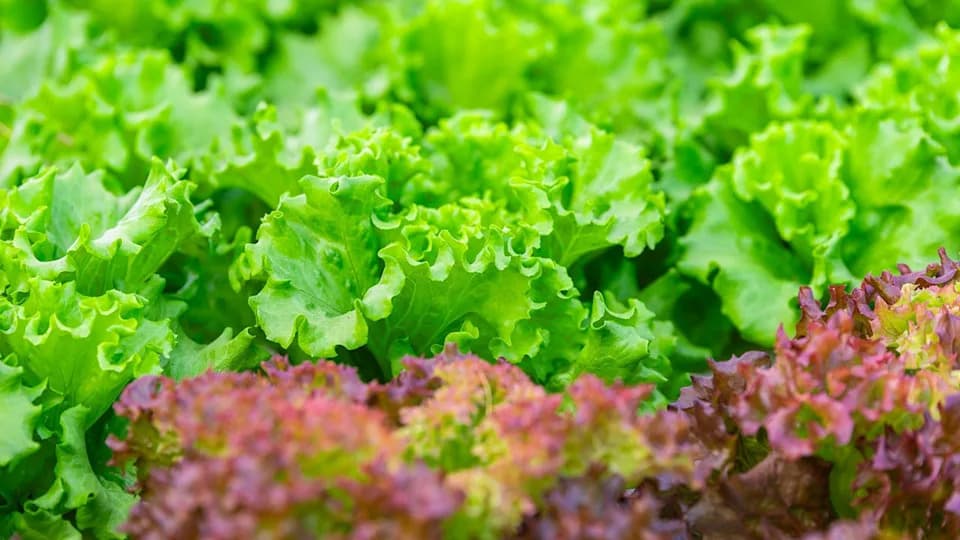
Federal investigators have connected a portion of the outbreak to iceberg lettuce served at Taco Bell that came from Taylor Farms' privately held facility in central Mexico. Health officials are still probing other produce items — including parsley and cilantro — after several outbreak clusters in regions such as the Great Lakes, New York and North Carolina showed possible links to those herbs.
“I think everyone believes that region is suspect. A lot of that product's being taken out of supply chains,” said Scott Gottlieb on CNBC.
What Officials Are Saying
Gottlieb and other public-health sources have warned that if contamination is widespread in the region it could increase the risk of cyclosporiasis from imported produce. He suggested environmental events — flood-related runoff, a breached sewage canal, contaminated irrigation water or overflowing portable toilets used by field workers — could have carried raw sewage into growing areas, though investigators have not yet determined a definitive cause.
Taylor Farms said it voluntarily suspended production at its central Mexico facility and removed potentially affected products from the marketplace when questions arose. The FDA said the company agreed to market removals after discussions, but a source told Reuters the company did not meet an internal 24-hour timeframe for deciding on voluntary action after the agency presented evidence.
Case Counts And Testing
The U.S. Centers for Disease Control and Prevention reports 4,173 laboratory-confirmed cyclospora cases and is tracking more than 7,400 additional suspected cases nationally. Experts, including Gottlieb, say reported figures likely undercount the true toll; he estimated actual infections could be 10 to 20 times higher than confirmed laboratory cases.
State reporting has varied: Michigan reported 9,253 cases on Monday — an increase of 1,077 since its last update — a figure that state and county officials say may include probable and suspected cases. Wayne County health officials noted that illnesses appear linked to multiple items and that the Taylor Farms recall alone "doesn't tell the whole story."
Responses From Mexico And Industry
Mexican authorities and industry groups have urged patience while investigations continue. Officials said irrigation at Taylor Farms' Mexican facility used certified, company-owned wells, reported no identified worker health issues, and said initial water and lettuce samples tested negative for cyclospora. Industry representatives stressed cooperation with authorities and the need to complete the evaluation before drawing broad conclusions.
Mexico produces roughly 550,000 tons of lettuce annually, about half of which is exported, almost entirely to the United States. Five states in central and northern Mexico supply about three-quarters of that crop; central Guanajuato — home to Taylor Farms' main operations in Mexico — accounts for about 28% of production.
What Consumers Should Know
Cyclosporiasis is an intestinal infection caused by the Cyclospora parasite and commonly causes severe, watery diarrhea, fatigue, and abdominal cramps. Public-health officials advise consumers to follow recalls and safety guidance, wash produce thoroughly, and seek medical care if symptoms develop. Investigations are ongoing to identify all products and sources linked to the outbreak.
Note: Authorities, including the FDA, CDC, U.S. Department of Agriculture and Mexico's SENASICA, continue coordinated investigations and inspections on farms and at the border.
Help us improve.