Researchers tracked Chaoborus edulis larvae in Lake Malawi and found they routinely descend beyond 656 ft (200 m) into anoxic deep water by day and return to the surface at night to feed on zooplankton. Sonar observations and anatomical analyses suggest modified, air-filled tracheal sacs stiffen under pressure, allowing these larvae to withstand depths once thought fatal to insects. The behavior reshapes understanding of freshwater food webs and expands ideas about insect evolutionary limits.
Tiny Lake Malawi Larvae Dive Beyond 200 m — Surviving Pressures Once Thought Fatal
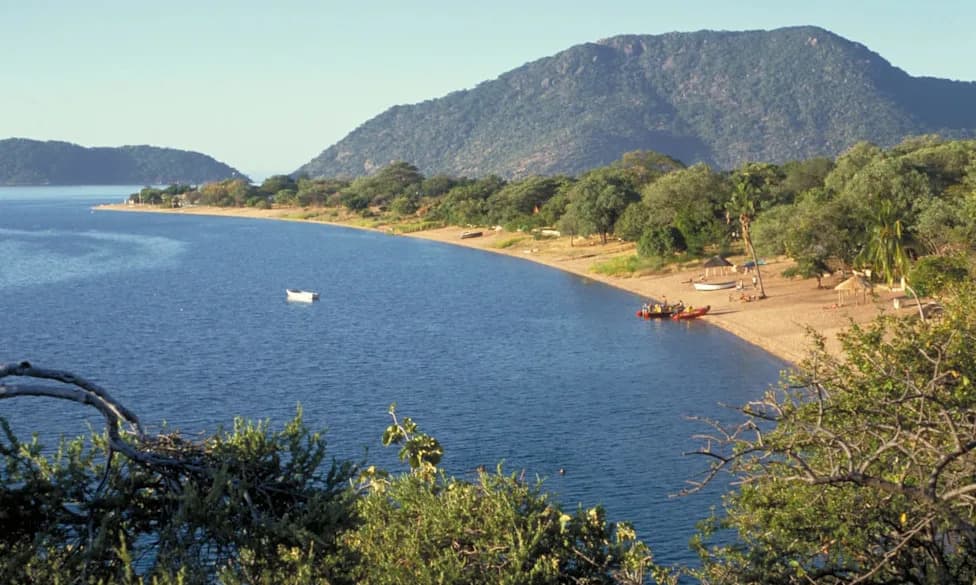
Photo Credit: iStock
Scientists working in Lake Malawi have documented a surprising feat: tiny fly larvae regularly dive past 656 feet (200 metres) into oxygen-poor deep water and return to the surface at night to feed. A study published in Science and summarized by Discover Wildlife used sonar to track the daily movements of the lake fly Chaoborus edulis, revealing a dramatic diel vertical migration that pushes the limits of what researchers thought possible for insects.
How they survive
The larvae descend into anoxic depths during daylight to avoid fish predators, then ascend at night to graze on zooplankton. The study links this depth tolerance to a modified tracheal system: the larvae use air-filled sacs to adjust buoyancy in shallow water, and those sacs become stiffer with increasing pressure, apparently helping the animals resist collapse under high pressure.
Why it matters
Lake Malawi — Africa's second-deepest lake, averaging about 958 feet and exceeding 2,300 feet at its deepest — provides extensive low-oxygen refuge zones that are largely predator-free. By moving between surface feeding zones and deep refuges, Chaoborus edulis larvae directly connect surface and deep habitats, consuming zooplankton and serving as prey for fish. This vertical movement helps shape predator–prey dynamics and nutrient flows across the lake.
Broader implications
These observations challenge the long-held assumption that insect tracheal anatomy prevents occupation of very deep aquatic habitats. If freshwater insects can tolerate high hydrostatic pressure by modifying their respiratory and buoyancy structures, the ecological and evolutionary boundary between shallow freshwater communities and deeper open-water life may be more flexible than previously believed.
Source and methods
The discovery relied on sonar tracking and anatomical study, outlined in the Science paper and highlighted by Discover Wildlife. The combination of behavioral observation and structural explanation strengthens the case that some insects can adapt to extreme underwater pressures.
Help us improve.