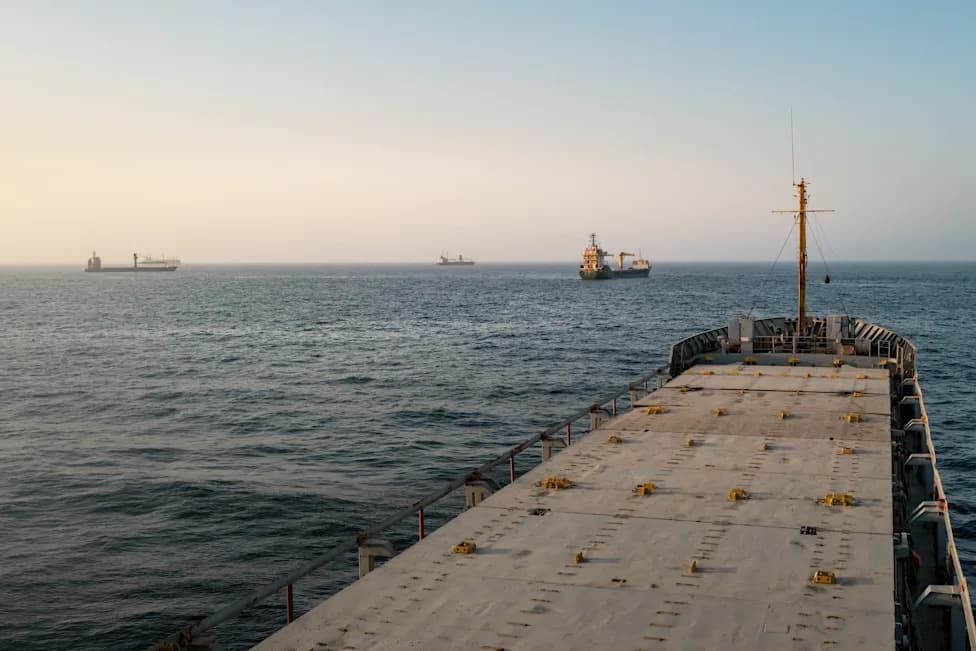
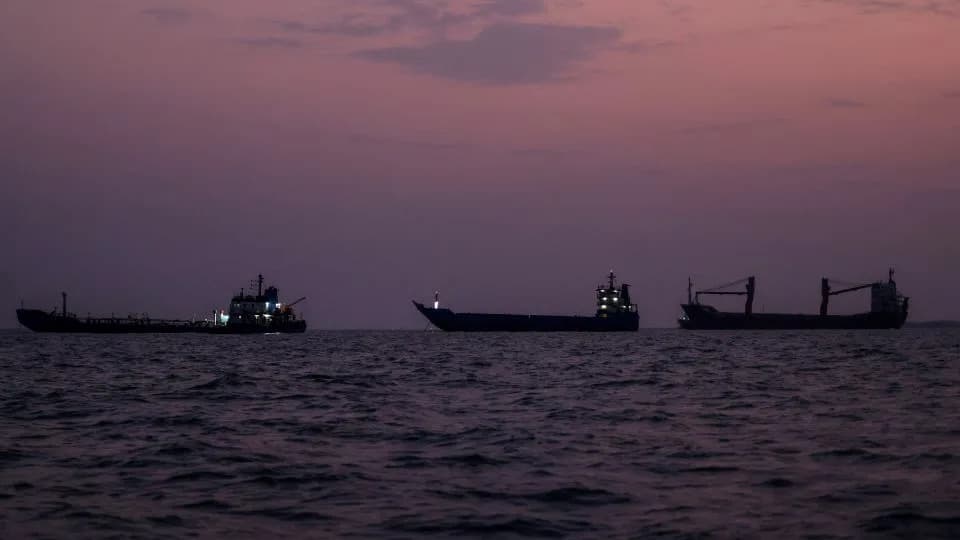
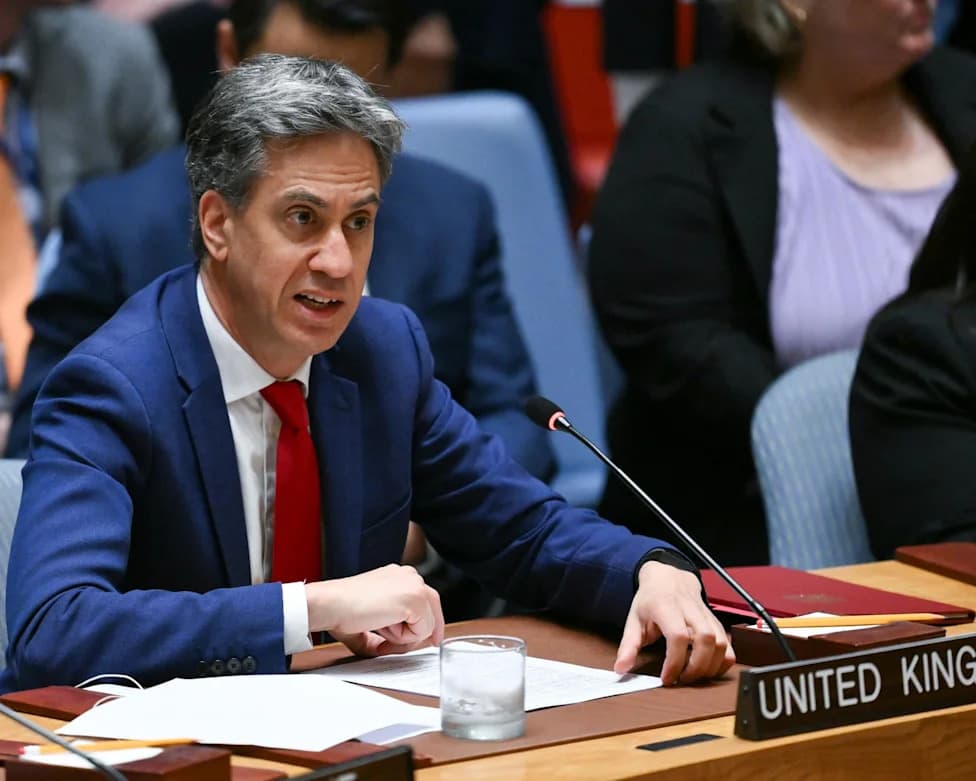
Oman has offered Iran a Gulf-backed proposal to jointly manage the Strait of Hormuz through a regional mechanism funded by voluntary contributions. Modeled on the cooperative management of the Strait of Malacca, the plan would fund navigation, environmental protection and search-and-rescue while preventing exclusive control by any single state. Major sticking points remain: Iran resists a simple return to pre-war free navigation and Gulf states reject mandatory fees imposed by Tehran. Talks involving Iranian, Omani and Saudi officials are ongoing amid international diplomatic engagement.
Oman Proposes Regional, Voluntary-Fee Plan With Iran To Jointly Manage Strait Of Hormuz
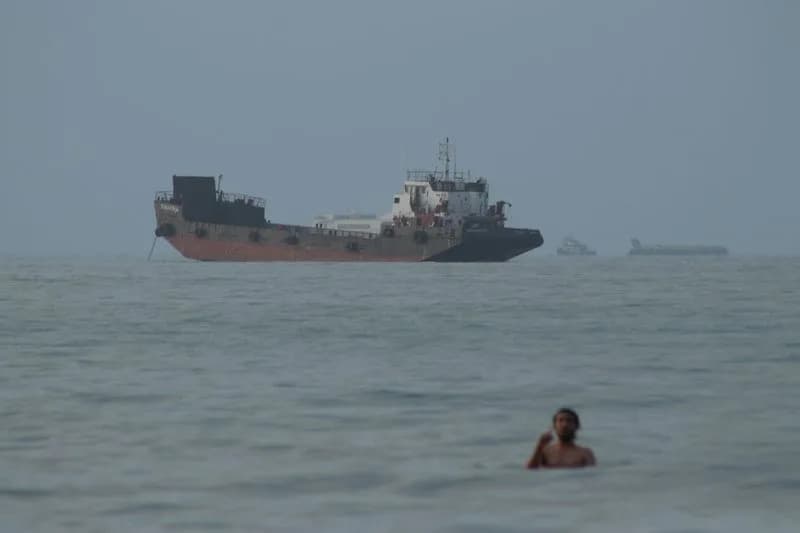
Vessels in the Strait of Hormuz near the beach of Bandar Abbas, Iran, July 27, 2026. Razieh Poudat/ISNA/via WANA (West Asia News Agency)via REUTERS ATTENTION EDITORS - THIS PICTURE WAS PROVIDED BY A THIRD PARTY. ATTENTION EDITORS - THIS PICTURE WAS PROVIDED BY A THIRD PARTY. ISRAEL OUT. NO COMMERCIAL OR EDITORIAL SALES IN ISRAEL. NO ACCESS FOR ISRAELI MEDIA. NO USE BBC PERSIAN. NO USE VOA PERSIAN. NO USE MANOTO. NO USE IRAN INTERNATIONAL. NO USE RADIO FARDA. DIGITAL: NO USE BBC PERSIAN. NO USE VOA PERSIAN. NO USE MANOTO. NO USE IRAN INTERNATIONAL. NO USE RADIO FARDA.
RIYADH, July 28 — Oman has formally presented a proposal to Iran for a joint regional mechanism to manage the Strait of Hormuz, backed by other Gulf states, a Gulf source told Reuters on Tuesday.
The initiative — modelled on the cooperative management of the Strait of Malacca by Indonesia, Malaysia and Singapore — would create a multilateral framework in which bordering states share responsibility for navigation, environmental protection and search-and-rescue services. Instead of mandatory tolls, vessels transiting the strait would be invited to make voluntary contributions to a fund that finances these services.
Supporters say the plan aims to prevent any single country from exercising exclusive control over the strategic waterway, which prior to the conflict carried roughly a fifth of the world’s oil and liquefied natural gas. Management of the strait has become a central sticking point in efforts to end the Iran war and a frequent flashpoint for renewed hostilities.
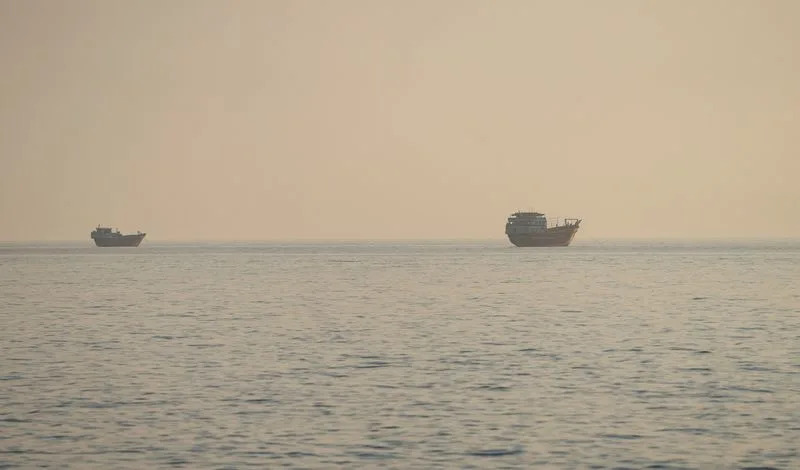
Vessels at the Strait of Hormuz, as seen from Musandam, Oman, July 28, 2026. REUTERS/Stringer
Points Of Contention
Iran has indicated the strait cannot simply revert to its pre-war status of unfettered shipping, while Gulf states have insisted they will not accept mandatory fees imposed unilaterally by Tehran. Those differences remain a major obstacle to a final agreement.
“He emphasised the need to strengthen cooperation and advance joint diplomatic efforts to establish stability in the region, and lift the insecurity imposed on the Strait of Hormuz due to the aggressive actions of the United States,” Iran's foreign ministry said after talks involving Foreign Minister Abbas Araqchi and his Omani and Saudi counterparts.
Separately, U.S. President Donald Trump said the United States was having “good talks” with Iran and that a deal was possible, while warning that U.S. strikes could resume if negotiations failed to deliver results.
Backers of the Omani proposal say a voluntary, multilateral fund and shared management could reduce tensions over maritime governance and avoid unilateral control by any single country. Discussions among Gulf partners are continuing to work through details.
Reporting by Timour Azhari; Writing by Nayera Abdallah; Editing by Andrew Heavens, Kirsten Donovan and Sharon Singleton.
Help us improve.