Prime Minister Ali al‑Zaidi is in Ankara with ministers and senior officials to deepen strategic cooperation with Türkiye on energy, water and security. Talks focus on a new Iraq–Türkiye oil agreement after the previous deal expired, with Ankara seeking higher transit fees and a 1.5 million bpd minimum. Baghdad is pushing for alternative export routes and Turkish support on infrastructure projects such as the 1,200 km Development Route. Water disputes over upstream dams and the presence of Turkish forces in northern Iraq remain major political and security sticking points.
Iraqi PM in Türkiye: High-Stakes Talks on Oil, Water and Security
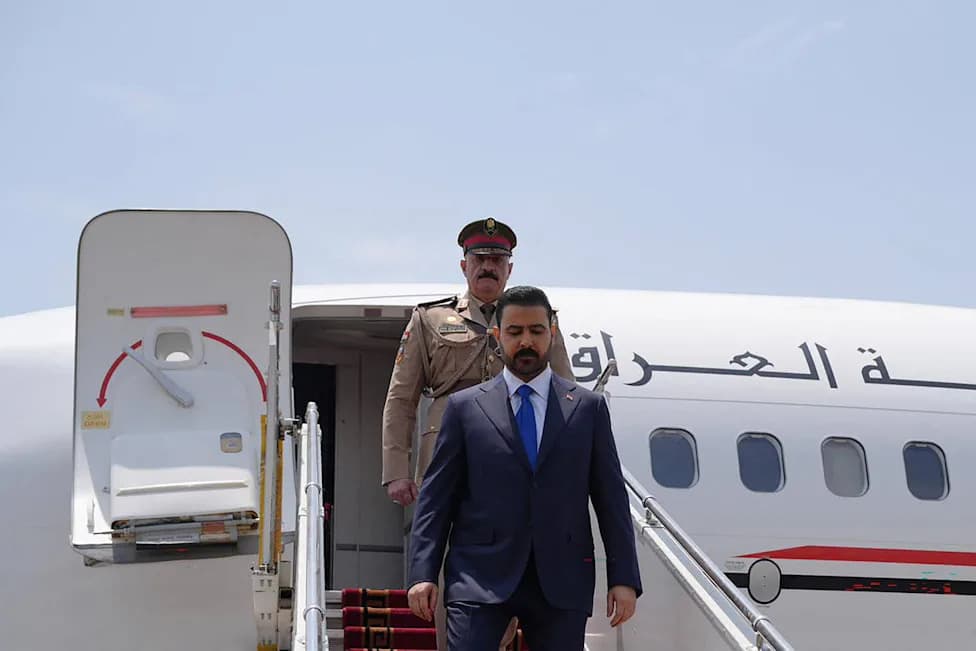
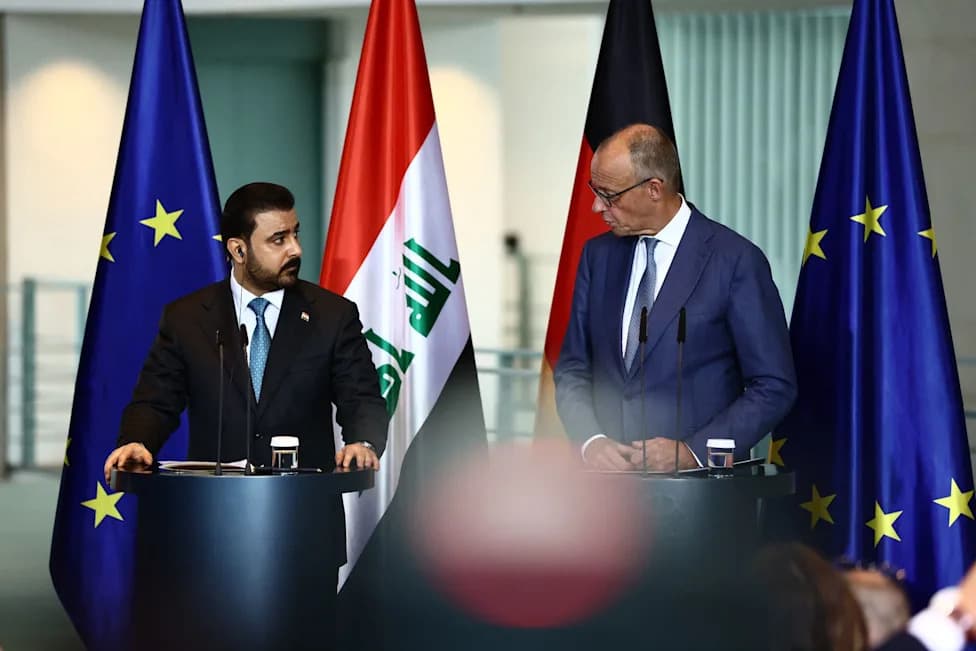
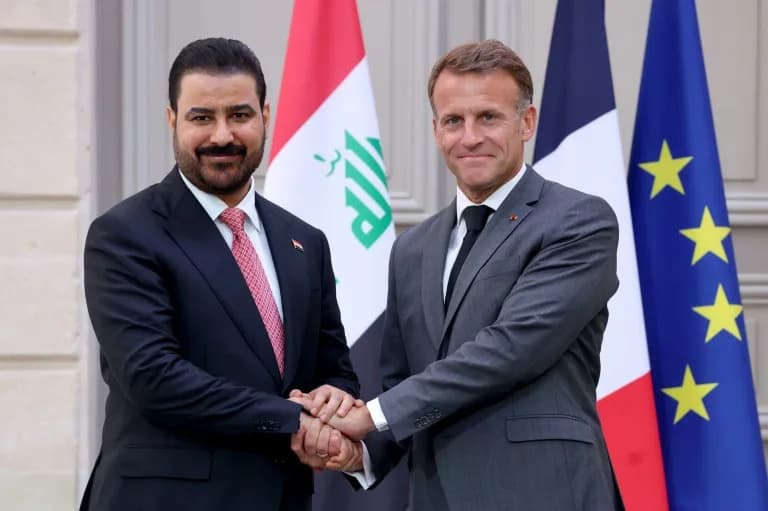
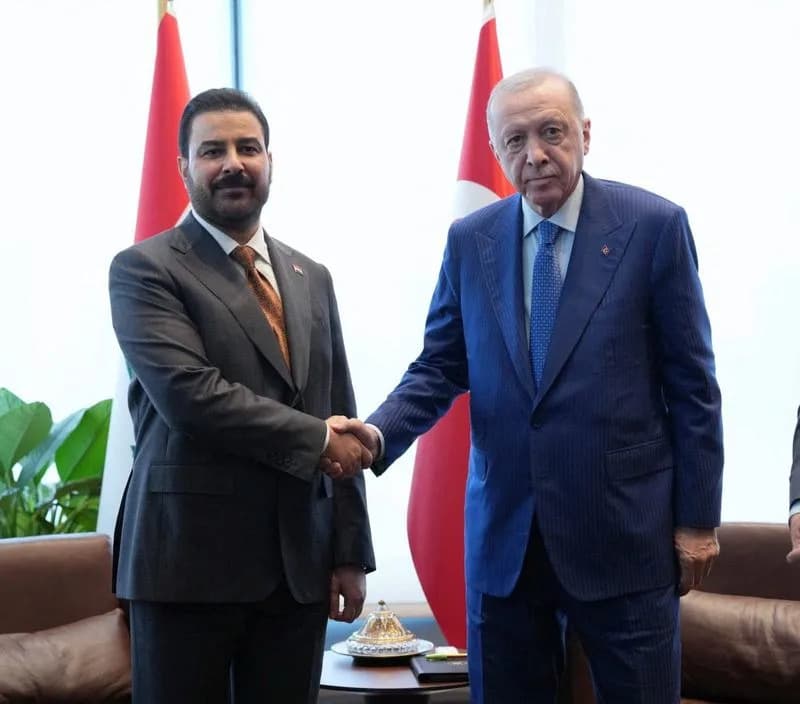
Iraq's Prime Minister Ali al-Zaidi has made a number of foreign trips since taking office in May [File: Iraqi Prime Minister's Office via AFP]
Iraqi Prime Minister Ali al-Zaidi arrived in Ankara leading a senior delegation for his first visit to Türkiye since taking office in May. Accompanied by ministers and top officials, the trip is aimed at deepening "strategic cooperation" and addressing urgent bilateral issues including energy exports, water management and security, a government spokesman said.
Energy And A New Oil Agreement
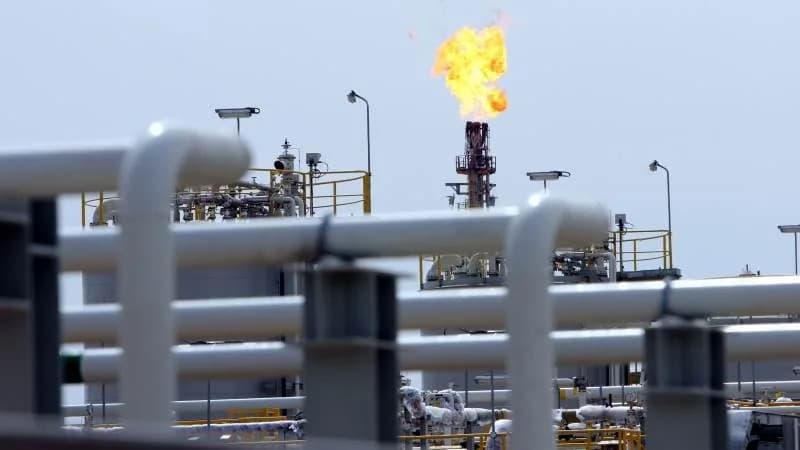
One of the visit's primary objectives is to finalise an arrangement governing exports via the Iraq–Türkiye pipeline after the previous agreement expired. Iraqi officials sent a technical team to Ankara to negotiate a one-year extension of the old export deal while talks continue on a longer-term contract.
According to an Iraqi Oil Ministry source, Ankara is proposing significantly different commercial terms: a rise in handling fees from about $1.35 per barrel to $7, and a minimum export capacity requirement of 1.5 million barrels per day (bpd). Baghdad says such conditions would constrain its options and that any final decision rests with the Iraqi Council of Ministers.
Part of al-Zaidi's mandate is to secure new energy partnerships and alternative export routes for Iraqi crude — via Türkiye and through Syria to the Mediterranean — to reduce reliance on the Strait of Hormuz. Earlier this month in the United States, Iraq signed energy deals estimated at roughly $200 billion with US companies as it seeks to raise production and diversify export pathways.
"There is an urgent need to find new export outlets away from the Strait of Hormuz," Oil Minister Basim Khudair said. "We must expedite negotiations and contracting to establish new routes."
Development Route And Infrastructure Cooperation
Al-Zaidi is also seeking stronger trade and development ties with Türkiye, tapping Turkish expertise in energy, transport and infrastructure to accelerate Iraq's reconstruction plans. A central proposal is the "Development Route," a 1,200 km (746-mile) rail and highway corridor linking the southern al‑Fao port to the Iraq–Türkiye–Syria border triangle and passing through 10 provinces.
Security challenges and attacks by armed groups have stalled progress on the project. Analysts note competing regional corridor initiatives — including a transport route connecting Türkiye to Jordan through Syria and onward to Saudi Arabia — have reduced some of the Development Route's appeal to foreign investors.
Water, Security And Turkish Forces In Iraq
Water management is expected to be a key topic. Iraq has long criticized Turkish dam construction upstream on the Tigris and Euphrates rivers for reducing flows that Iraqi agriculture and cities rely on, and Baghdad regards the issue as one affecting millions of citizens.
Security is the most sensitive area of talks. Ankara maintains forces in northern Iraq to counter the Kurdistan Workers' Party (PKK), which Türkiye, the United States and the EU classify as a terrorist organisation. Independent and military estimates cited in regional reporting suggest Türkiye operates several dozen bases across the Erbil, Duhok and Nineveh governorates, with troop estimates around 5,000 and associated heavy equipment.
In mid‑2025 the PKK announced initial steps toward disarmament as part of a broader rapprochement with Ankara after decades of conflict, but Türkiye continues to view PKK positions in northern Iraq as a serious security threat. Baghdad must balance demands for sovereignty and public opinion with the practicalities of co‑operating on cross‑border security.
Political Stakes And Prospects
Despite the complications, there is broad political support in Iraq for closer ties with Türkiye: many see Ankara as a critical transit partner for exports to Europe and global markets. Still, domestic rivalries in Baghdad and the broader Turkish–Iranian competition in the region could limit what al‑Zaidi can realistically achieve on this trip.
Political analysts say the visit's success will depend on Baghdad's ability to negotiate flexible oil terms, secure tangible steps on water cooperation, and obtain Turkish commitments that respect Iraqi sovereignty while advancing bilateral economic projects.
Help us improve.