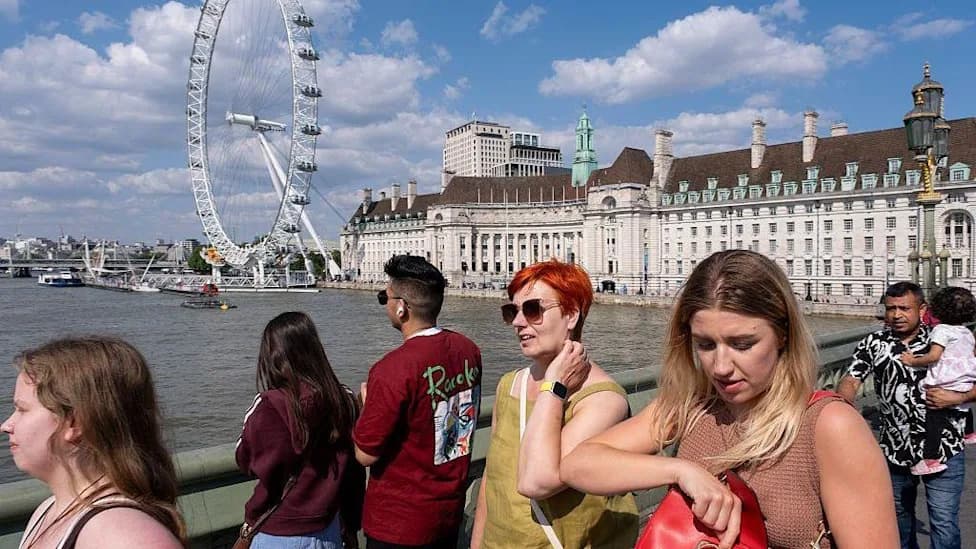
Second homes and holiday lets are intensifying housing pressures in coastal parts of Wales, where council tax premiums and tightened letting rules are changing affordability for locals. Bev Hooper faces an estimated £7,000 annual bill after Gwynedd introduced a 150% premium, while young residents such as Rhodri Lewis struggle to find starter homes. Data show more than 24,000 dwellings liable for second-home council tax in 2023-24 and local hotspots where holiday homes make up a large share of stock. The Welsh government plans a review informed by a Dwyfor pilot to assess possible further action.
Second Homes Heighten Tensions in Coastal Wales as Locals Are Priced Out
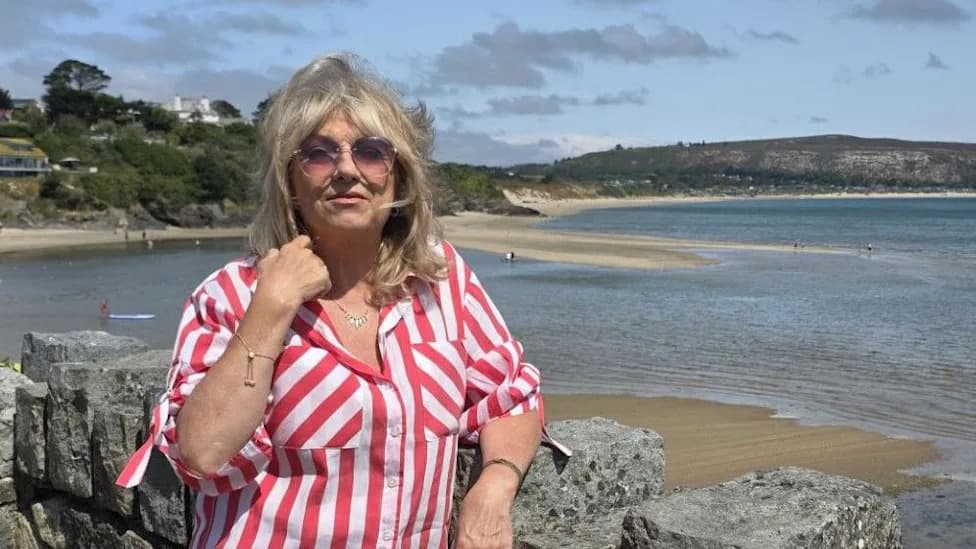
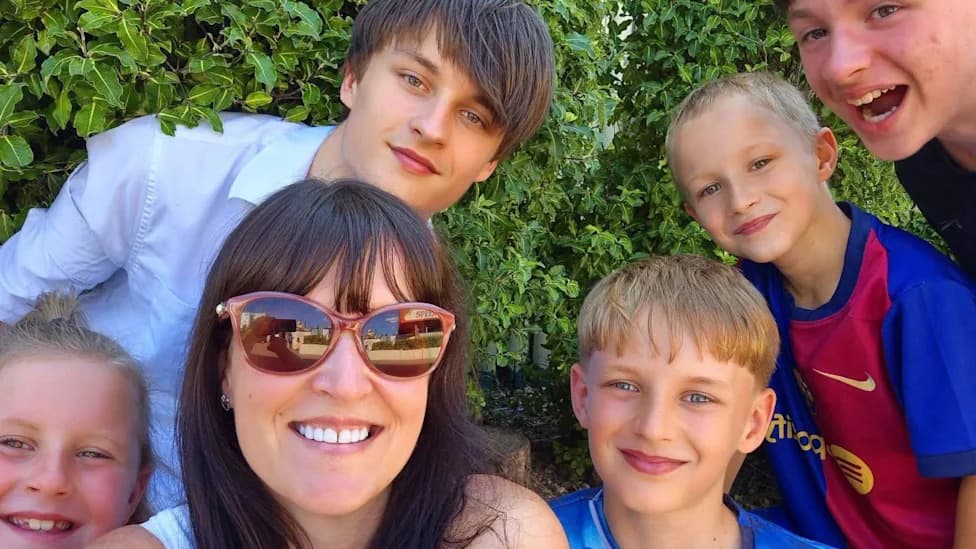
Bev Hooper has owned a holiday house in Abersoch for 30 years [Bev Hooper]
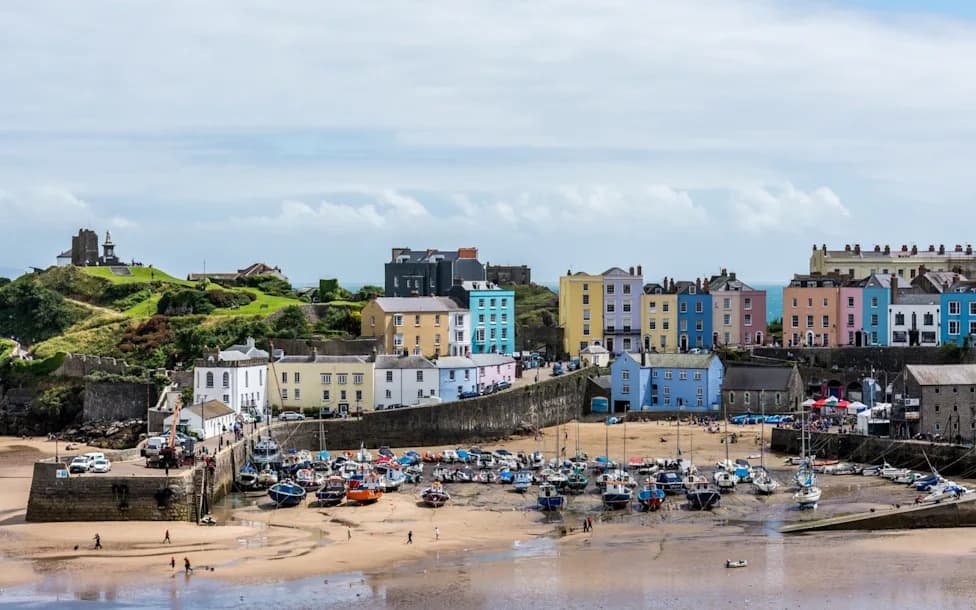
Second homes and holiday lets are reshaping life in parts of coastal Wales, inflaming tensions between local residents and owners who visit only part of the year. The debate combines personal stories, hard data and local policy experiments as councils and the Welsh government try to balance tourism income with the need for affordable homes for local people.
Local Voices: Caught Between Love and Cost
Bev Hooper, 67, bought a three-bedroom property on the Llŷn Peninsula with her sister about 30 years ago after falling in love with Gwynedd. Once charged a reduced council tax because they only stayed part of the year, Bev now faces an estimated £7,000 annual bill after Gwynedd introduced a 150% council tax premium for second homes in 2023. "It would absolutely break my heart to have to sell," she says, but finds the cottage increasingly hard to afford in retirement.
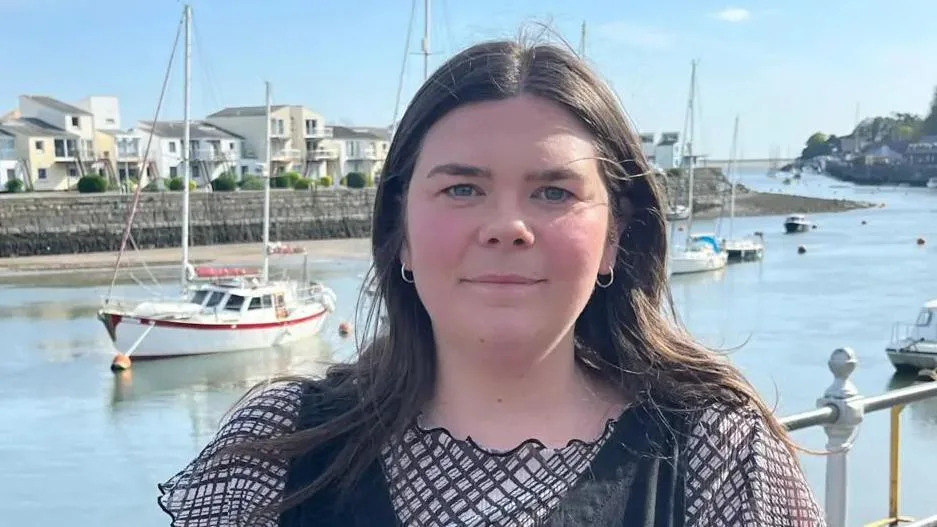
Mared Llywelyn says people are being priced out of their communities [BBC]
On the other side of the generational divide, 23-year-old Rhodri Lewis from Pembrokeshire says soaring local prices left him no realistic chance of buying his first home, forcing him to move back in with his parents. A Welsh speaker, Rhodri worries that the hollowing-out of communities during off-season months also weakens local culture and language.
Data, Policy And Community Impact
Government figures for 2023-24 show more than 24,000 dwellings in Wales were liable for second-home council tax. Gwynedd had the highest share of second homes in Wales at 8.3% in that period, while local data suggests that in parts of Pen Llŷn as many as 30% of properties are used as holiday homes.

Rhodri Lewis said he's delaying buying his first home in the hope that things will get financially easier in his area [Rhodri Lewis]
Local authorities can add a council tax premium on second homes of up to 300%. Currently, Gwynedd and Ceredigion charge a 150% premium and Pembrokeshire charges 125%. Since 2023, self-catering properties in Wales must be available for 252 days and actually let for 182 days (measured over several years) to qualify for non-domestic business rates rather than the higher council tax. By contrast, England’s thresholds remain lower: properties must be available for at least 140 days and let for 70 days.
Estate agent Carol Peet, who has worked in Pembrokeshire for 25 years, describes two effective housing markets in some towns — one for locals and one for second-home buyers. She argues that preventing sales of lower-priced homes to buyers who treat them solely as second properties would help local families, even while acknowledging that tourism and holiday lets are important to the local economy.
Local Measures And Legal Challenges
Gwynedd introduced an Article 4 direction in September 2024 requiring planning permission to change a dwelling into a second home or holiday let. Those measures were later quashed by a legal ruling. The Welsh government says it will review existing measures with local authorities and draw lessons from a pilot scheme in Dwyfor, Gwynedd, to identify what further action may be needed.
Campaigners warn: Concentrations of second homes can push local people out of the market, leaving empty properties and undermining community life year-round.
The issue remains politically and socially contentious: councils must balance protecting community housing and local culture against supporting a tourism sector that brings seasonal income. For residents such as Bev and Rhodri, the decisions local authorities and the Welsh government make next will have direct consequences for whether communities remain year-round places to live.
Help us improve.