Italy is poised to vote on legislation that would create a legal framework for next-generation nuclear technologies, including small modular reactors (SMRs). Support is growing among younger Italians—about 55% in a June 2026 poll—but older voters who remember Chernobyl remain wary. Officials cite rising electricity demand, climate goals and energy-security concerns as reasons to act, while critics point to high costs, the lack of a national waste repository and likely local opposition.
Italy's Nuclear Comeback: Generational Shift and the Push for Small Modular Reactors
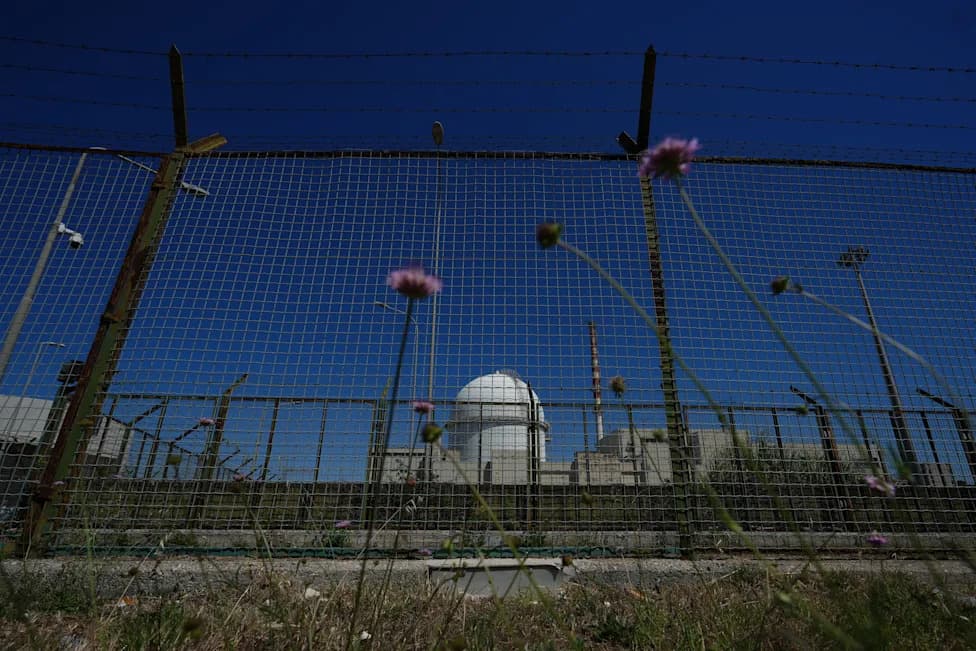
A view of a small reactor of the former nuclear power plant of Latina, Italy, Thursday, June 18, 2026. (AP Photo/Alessandra Tarantino)(AP Photo/Alessandra Tarantino)
Four decades after the 1986 Chernobyl disaster prompted Italy to abandon nuclear power, Prime Minister Giorgia Meloni's government is moving to reintroduce atomic energy as part of a plan to strengthen energy security and meet climate targets.
Parliament is expected to vote next week on government-backed legislation that would create a legal framework for next-generation nuclear technologies. If approved, Rome would have 12 months to issue implementing decrees covering reactor licensing, safety standards, waste management and site selection.
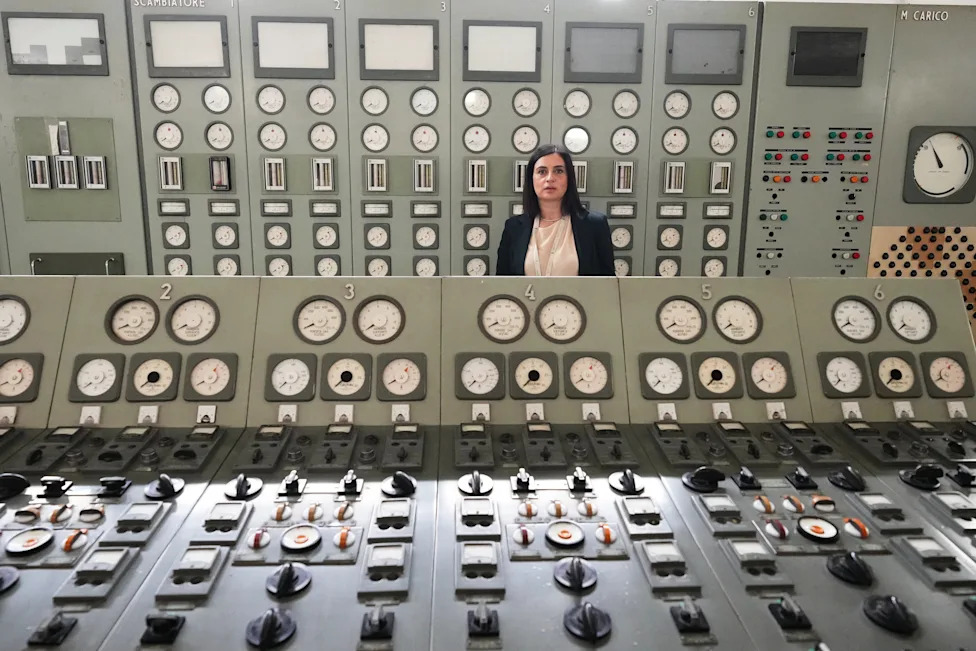
Viviana Cruciani, who oversees nuclear decommissioning of the former nuclear power plant of Latina, Italy, poses for a photo in the old control room during an interview with The Associated Press in Latina, Thursday, June 18, 2026. (AP Photo/Alessandra Tarantino)(AP Photo/Alessandra Tarantino)
Why The Shift Now?
Government ministers argue that rising electricity demand — which Environment and Energy Security Minister Gilberto Pichetto Fratin says could climb by roughly 30% within a decade — along with climate commitments and supply shocks linked to the wars in Ukraine and tensions with Iran, justify reconsidering nuclear power as part of a diverse energy mix.
Rather than reviving the large reactors of the past, Italy is focusing on small modular reactors (SMRs) and other advanced designs that proponents say are smaller, faster to build, more flexible and incorporate enhanced safety features. Pichetto Fratin has suggested a realistic timeline for first operations around 2033–2035.
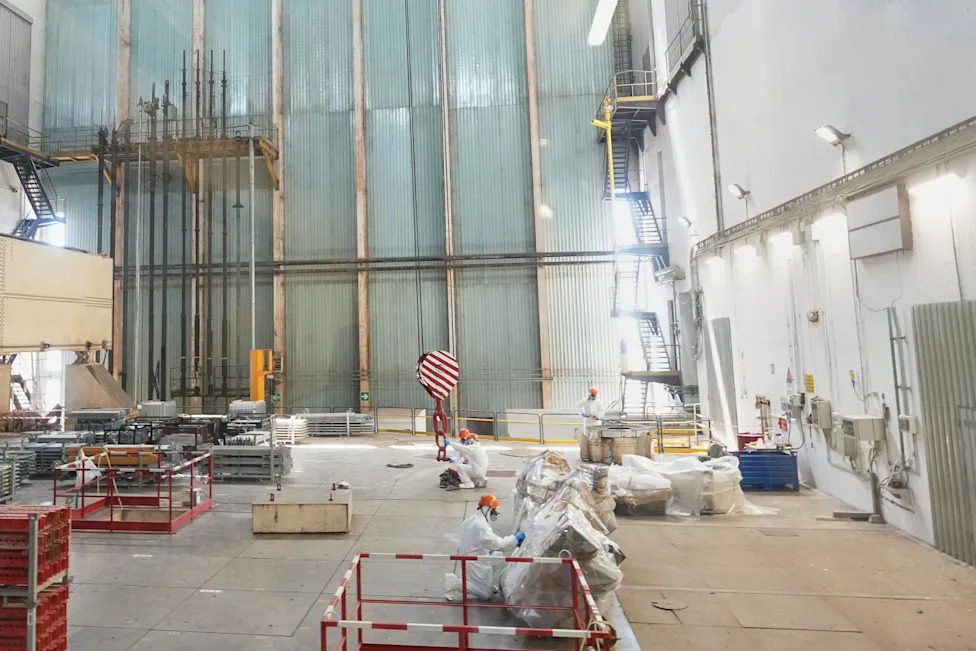
Workers package reactor components on the reactor operating floor of the former nuclear power plant of Latina, Italy, Thursday, June 18, 2026. (AP Photo/Alessandra Tarantino)(AP Photo/Alessandra Tarantino)
Generational Divide
The debate highlights a sharp generational split. Those who remember Chernobyl and who twice rejected nuclear power in national referenda (1987 and 2011, after Fukushima) remain skeptical. Younger Italians, by contrast, are more open to nuclear power as a low-carbon option and an element of technological progress.
“There is a generation that came right after Chernobyl that still sees nuclear energy in light of the accident at Chernobyl only,” said Viviana Cruciani, who oversees decommissioning at the Latina site run by state-owned Sogin. “But there is another generation, a lot younger, that is enthusiastic about nuclear…”
A June 2026 survey by research firm Only Numbers found about 55% of Italians support next-generation nuclear plants, with support strongest among younger voters. Yet polls also show that support falls sharply when people are asked whether they would accept a reactor in their own province — roughly six in ten oppose local siting.

Minister of Environment and Energy Security Gilberto Pichetto Fratin talks during an interview with the Associated Press, in Rome, Wednesday, July 22, 2026. (AP Photo/Andrew Medichini)(AP Photo/Andrew Medichini)
Costs, Waste And Local Opposition
Costs remain a central concern. Industry estimates cited in the debate put the price of a single 300-megawatt SMR at roughly €3–6 billion before infrastructure and grid upgrades. Officials hope much of the financing will come from private capital, but critics warn that current European nuclear projects have seen high costs and that SMRs are not yet proven commercially at scale.
Italy also lacks a national repository for long-term nuclear waste; much material remains stored temporarily at multiple sites. Finding locations for reactors and waste storage is likely to prompt strong local resistance and could trigger new referenda or legal challenges once specific plans emerge.
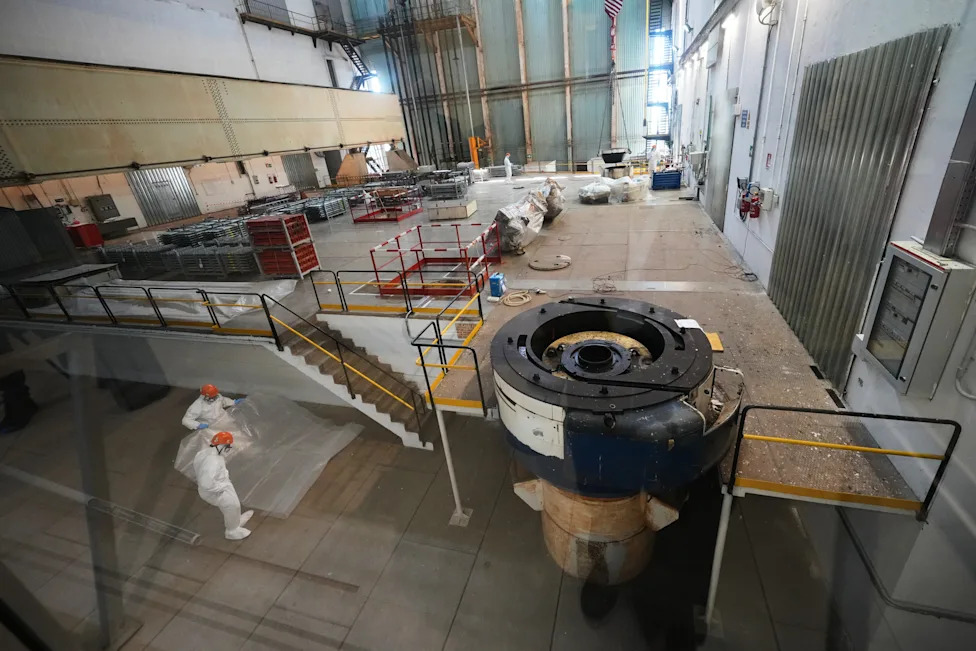
Workers package reactor components on the reactor operating floor of the former nuclear power plant of Latina, Italy, Thursday, June 18, 2026. (AP Photo/Alessandra Tarantino)(AP Photo/Alessandra Tarantino)
Outlook
Proponents argue next-generation reactors can help Italy meet climate goals and secure reliable power supplies; skeptics point to cost, siting and unresolved waste-management questions. Even some critics support establishing a regulatory framework so future proposals can be evaluated on technical and economic merits.
At the Latina decommissioning site south of Rome, workers in protective gear continue dismantling facilities from Italy's first nuclear era while policymakers debate whether to build a second. The outcome will depend on whether political momentum, private investment and public acceptance can align over the coming decade.
AP reporters Silvia Stellacci and Andrea Rosa in Rome contributed to this report.
Help us improve.