The NHS reports that almost 305,000 doses of emergency contraception were dispensed at English high‑street pharmacies between October 2025 and March 2026 after a free service was introduced to widen access. Enquiries about starting the regular contraceptive pill more than doubled to over 115,000 in the year to February 2026. The scheme aims to reduce postcode‑based inequality by offering same‑day, confidential consultations with trained pharmacy staff.
Almost 305,000 Women Access Free Morning‑After Pill At English Pharmacies
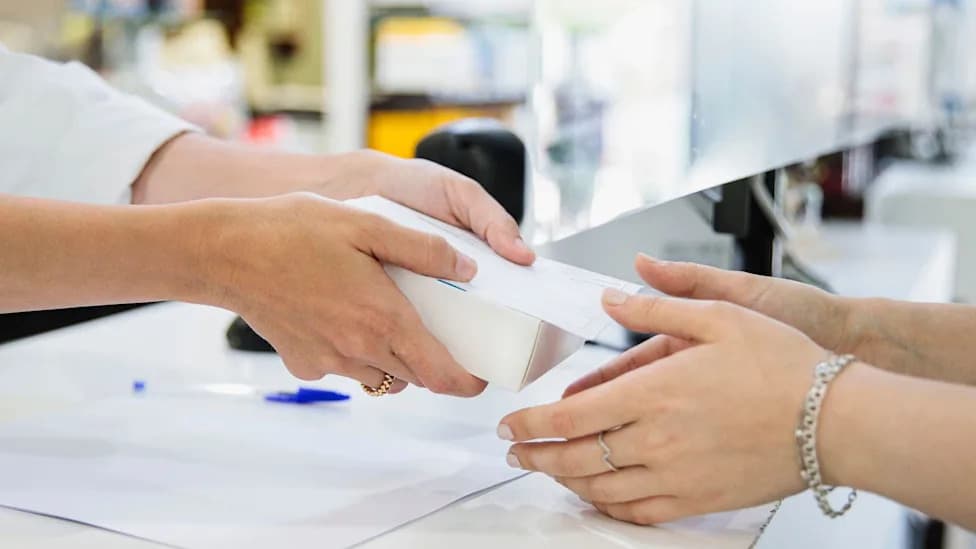
[Getty Images]
Hundreds of thousands of women in England have used a new free morning-after pill service available at high‑street pharmacies since it launched in October 2025, official figures show.
What The Numbers Show
New NHS data reveal that almost 305,000 doses of emergency contraception were dispensed by participating pharmacies between October 2025 and March 2026. In the same period, enquiries about starting the regular oral contraceptive pill more than doubled — rising from roughly 50,000 to over 115,000 in the 12 months to February 2026. By comparison, there were about 150,000 NHS prescriptions for the morning-after pill in 2024/25.
How Emergency Contraception Works
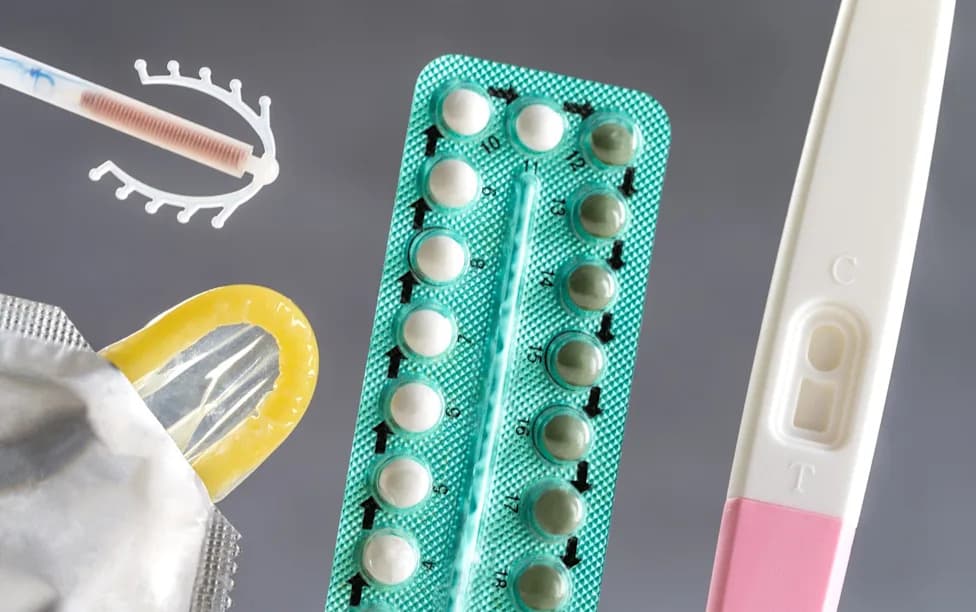
The morning-after pill (emergency contraception) is intended to reduce the risk of unwanted pregnancy after unprotected sex. There are two commonly used pills: levonorgestrel, which is most effective when taken within 72 hours (3 days), and ulipristal acetate, which can be effective up to 120 hours (5 days) after intercourse. In either case, earlier administration increases effectiveness.
Emergency contraception works primarily by delaying or preventing ovulation and will not terminate an existing pregnancy. A copper intrauterine device (IUD) or coil can also be fitted by a doctor or nurse and is the most effective form of emergency contraception if fitted within 120 hours (5 days) of unprotected sex.
Why The Pharmacy Service Matters
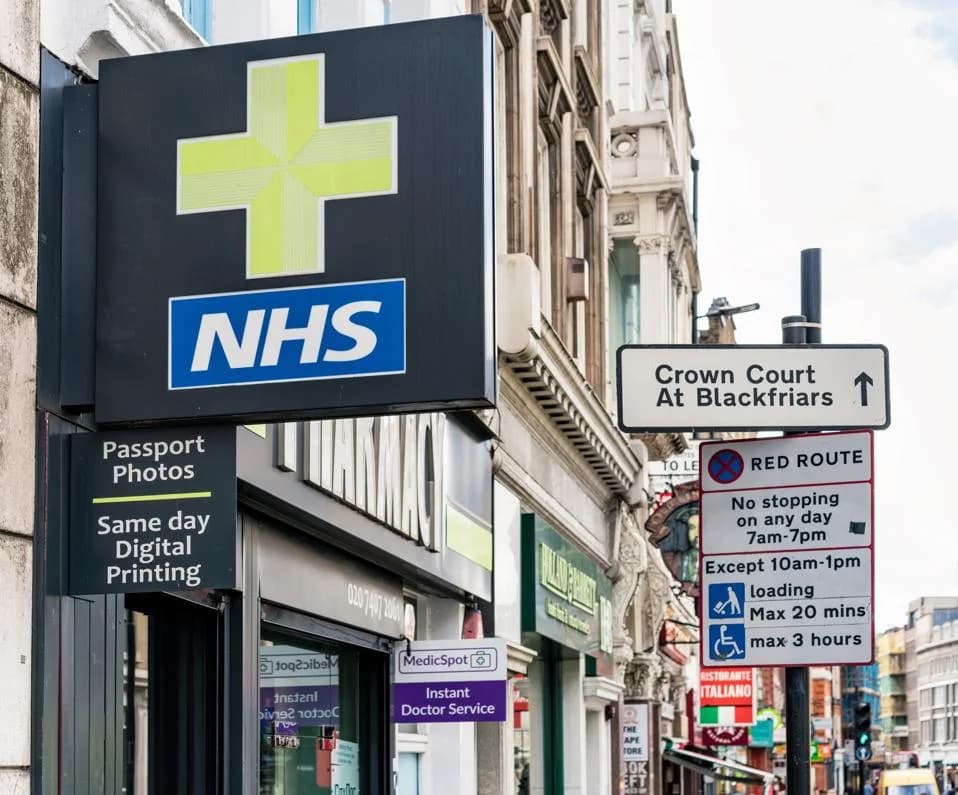
The government and NHS say offering the pill free at pharmacies removes unfair barriers and reduces the postcode lottery that left access varying depending on location. Under the scheme, women can attend a participating pharmacy for a confidential consultation with a pharmacist or trained pharmacy technician and, when appropriate, receive the medication the same day.
Dr Sue Mann, NHS National Clinical Director for Women's Health, called the service “a major step forward for women's health,” adding that it provides “no appointment, no waiting and no judgement.” Officials say the service is already improving access particularly for women living in more deprived communities.
How To Access The Service
Women can check online to find their nearest participating pharmacy. All pharmacists and pharmacy technicians delivering the service have completed specialist training in emergency contraception and broader contraceptive care. Private access to emergency contraception remains an option for those who prefer it.
Key takeaway: The pharmacy scheme has rapidly increased access to emergency contraception, offering same‑day, confidential care and helping to address regional inequalities in family‑planning services.
Help us improve.