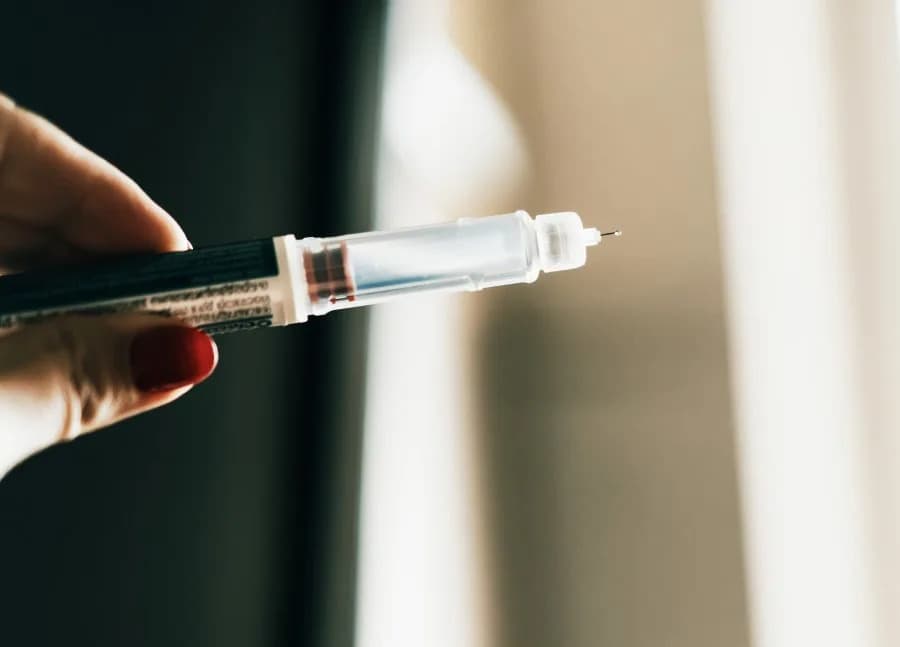
The FDA's Pharmacy Compounding Advisory Committee recommended adding six peptides—BPC-157, KPV, TB-500, MOTS-c, Epitalon, and Semax—to the 503A bulk substances list for specific uses, while rejecting emideltide for several indications. FDA scientists cautioned that current evidence is insufficient to prove safety and effectiveness, and some advisory members reported financial ties to industry. The vote is advisory; any regulatory change would require formal rulemaking, and the peptide gray market is likely to persist in the meantime.
FDA Advisory Panel Moves Six Controversial Peptides Closer To Pharmacy Shelves — Gray Market Debate Intensifies
Illustration: Midjourney
The Food and Drug Administration's advisory panel has taken a major step toward allowing certain compounding pharmacies to use a group of widely discussed peptides, even as government scientists and safety advocates warn that evidence of benefit and manufacturing quality is limited.
What the Panel Recommended
On Thursday and Friday, the FDA's Pharmacy Compounding Advisory Committee (PCAC) voted to recommend adding six peptides to the 503A bulk substances list for specified uses: BPC-157, KPV, TB-500, MOTS-c, Epitalon, and Semax. The panel voted against recommending emideltide for opioid withdrawal, chronic insomnia, and narcolepsy.
Why This Matters
If the FDA accepts the committee's advice and completes the rulemaking, compounding pharmacies could legally prepare customized formulations using those peptides for patients under the 503A framework. However, the PCAC vote is advisory only; the agency would still need to draft and finalize regulatory language, a process that could take months or years.
Regulatory And Safety Concerns
FDA scientists told the advisory committee in briefing documents that the peptides under consideration lack sufficient evidence to conclude they are safe and effective for the conditions proponents claim they treat. In 2023 the agency designated more than a dozen peptides as Category 2 — meaning they may "present significant safety risks" — which effectively restricted their authorized use.
"We created the black market. And it's a very dangerous black market,"
Health and Human Services Secretary Robert F. Kennedy Jr. said on The Joe Rogan Experience, calling himself "a big fan of peptides" and urging broader legal access. In April, Secretary Kennedy announced that 12 peptides (including several later reviewed by the PCAC) would be removed from Category 2 for independent safety re-evaluation.
Industry Ties And The Gray Market
Some committee members argued that regulated pharmacies should supply these products rather than leaving demand to unregulated channels. News reports also indicate that at least seven PCAC members reported financial ties to the peptide or compounding industry, a fact that raised concerns about possible conflicts of interest.
Meanwhile, consumer demand has helped create a robust gray market. Imports of hormone and peptide compounds from China reportedly rose from $164 million in the first three quarters of 2024 to about $328 million in the same period of 2025, according to U.S. customs data cited by The New York Times. Many of these products are marketed online or through private groups and are not subject to pharmaceutical-quality manufacturing standards.
What Comes Next
The PCAC is expected to consider additional peptides in coming months. Even if the FDA ultimately follows the committee's recommendation, the agency will need to complete formal rulemaking and guidance to define which specific uses are allowed, manufacturing expectations, and safeguards to protect patients. Until then, patients and clinicians face a difficult choice between unregulated products and limited legal access through compounding pharmacies.
Bottom line: The advisory vote signals potential regulatory change, but significant safety, evidence, and integrity questions remain — and the gray market for peptides is likely to persist until regulators finalize clear, enforceable rules.
Help us improve.