NY Attorney General Letitia James urged senators to oppose the Digital Asset Market Clarity Act, arguing it would concentrate crypto rulemaking at the CFTC and preempt state investor protections that help scam victims. She presented data showing large increases in reported crypto losses, cited specific fraud cases, and warned the bill’s Section 604 exemption and delayed ethics restrictions would weaken enforcement. James called for stronger ethics language and to preserve state enforcement powers.
NY Attorney General Letitia James Urges Senators To Reject Coinbase‑Backed Crypto Bill Over Victim Protections
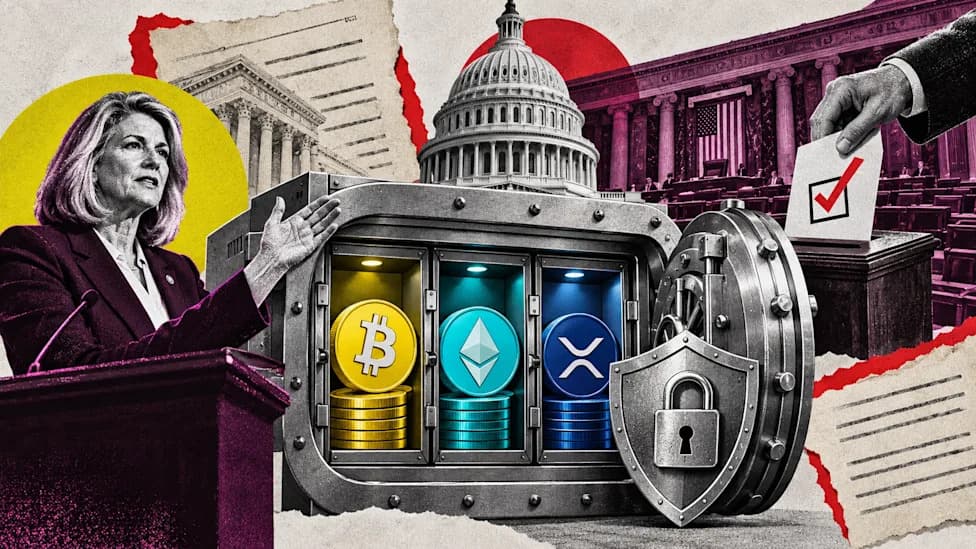
Clarity Act sanctions authority for crypto illicit finance enforcement. Photo by BeInCrypto
New York Attorney General Letitia James told a Senate investigations panel that the Digital Asset Market Clarity Act would strip scam victims of their most accessible enforcement option — state regulators — and urged senators to reject the bill or strengthen oversight before it advances.
The measure would centralize most federal rulemaking over digital assets at the Commodity Futures Trading Commission (CFTC) and preempt state investor‑protection laws that James says New Yorkers rely on. The House approved the bill in July 2025 by a 294–134 vote, and it cleared a key Senate committee in May; industry backers including Coinbase are pushing for a swift Senate vote.
Evidence and Case Examples
In her filing, James presented multiple datasets showing a surge in crypto‑related losses and enforcement challenges:
- FBI Internet Crime Complaint Center: $11.4 billion in reported losses (up 22% from 2024)
- FTC Consumer Sentinel Network: $1.78 billion (up 25.6%)
- TRM Labs illicit‑volume estimate: $158 billion (up roughly 145%)
- New York complaints: nearly $500 million over five years, nearly tripling in three years
The FBI data also put the average reported victim loss at about $62,604. James supplemented the numbers with real‑world examples of fraud, including a scheme that targeted Haitian church groups and another that recruited Russian speakers via Facebook ads and routed funds to Vietnam.
Why State Power Matters, James Says
James emphasized that state and local agencies are the backbone of U.S. law enforcement, handling the vast majority of criminal matters and arrests. She argued that removing state authority would leave victims farther from help and slow recoveries. Her filing also points to what she sees as a pullback in federal enforcement: in April 2025 the Department of Justice instructed prosecutors not to charge platforms for users’ conduct and disbanded its crypto enforcement team, and the SEC reportedly closed more than 1,000 investigations in 2025 while dropping several crypto cases.
Key Controversies In The Bill
James and other critics highlighted three central flashpoints:
- Preemption of State Protections: The bill would limit state investor‑protection enforcement, which James says is vital for victims.
- Section 604 Exemption: That provision could exempt mixers and similar privacy tools from money‑transmitter rules, raising law‑enforcement concerns about money laundering.
- Ethics Carve‑Out: The bill contains an "ethics fix" that delays certain restrictions on officials’ crypto interests for one year and would allow a sitting president to place existing crypto assets into a blind trust. James calls for stricter rules, including banning officials from regulating industries from which they profit and stronger penalties for violations.
Her filing also cites reporting that Binance holds a large stake in a stablecoin called USD1, which is reportedly linked to World Liberty Financial — a company the filing says has ties to the president’s family — and notes press coverage by Forbes and The New York Times. She frames this as an example of why stronger ethics language is needed.
Industry Pushback And Political Dynamics
Coinbase and other proponents argue the bill is needed to provide national clarity and keep the U.S. competitive with China as global financial infrastructure evolves. Coinbase chief policy officer Faryar Shirzad has urged quick Senate action and highlighted provisions protecting banks that work with crypto. Wall Street is split: Goldman Sachs CEO David Solomon has expressed conditional support, while JPMorgan’s Jamie Dimon opposes the bill.
Senate Majority Leader John Thune said on July 23 that the legislation currently lacks the votes for passage before the August recess. Opponents — including the National Sheriffs' Association and state securities regulators — have urged changes, especially to Section 604, and Senator Catherine Cortez Masto has proposed a narrower amendment.
What To Watch
Key developments to follow: whether the Senate votes on the Cortez Masto amendment; any effort to remove the bill’s one‑year delay on the ethics provision; and whether any Democrats break ranks. James’ office points to prior recoveries — for example, Genesis’s reported $2 billion payment and Gemini’s $50 million returned to customers — as evidence that state enforcement can deliver tangible relief to victims.
Bottom line: James is asking Congress to preserve state enforcement authority and adopt stronger ethics rules rather than preempting local protections in the name of national clarity.
Help us improve.