Summary: A 19-year-old Cornell student, Austin Franco, says he remains enrolled and has not been formally disciplined after sending a message that read "not interested in working for a jew," which was shared publicly and drew over two million views. Cornell told reporters it referred the matter to its Office of Civil Rights and condemned antisemitism. Franco later spoke to Accuracy in Media—saying he may have been "duped" into the interview and that his comment was "not the smartest thing to say"—while the Free Expression Foundation alleges the group impersonated another organization to obtain the recording.
Cornell Student Who Said He’s 'Not Interested In Working For A Jew' Says He Remains Enrolled After Viral Backlash
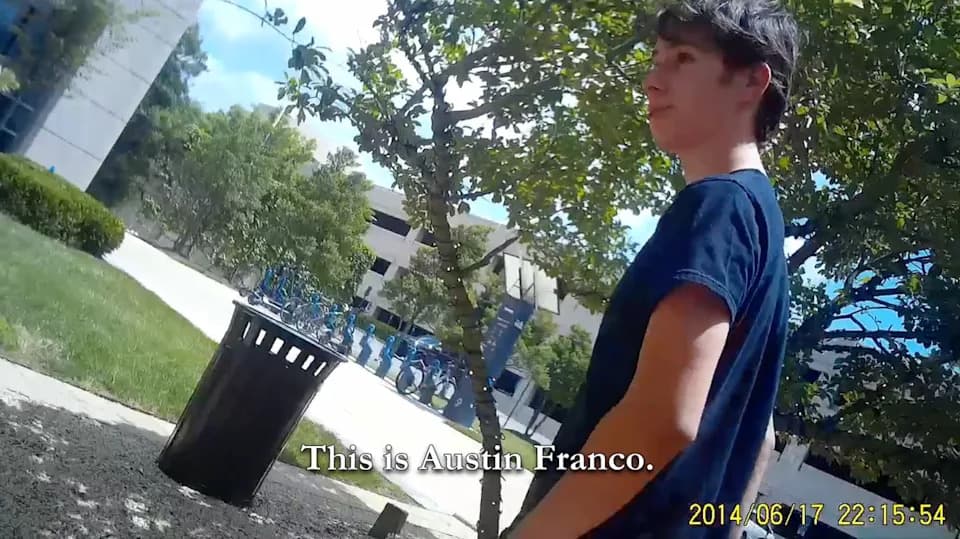
A Cornell University student who went viral for saying he's 'not interested in working for a Jew' said he remains enrolled at the school, according to a conservative media watchdog group (Accuracy in Media)
A Cornell University student who sparked a nationwide backlash after telling prospective employers he was "not interested in working for a Jew" says he has not been formally disciplined and remains enrolled, according to a recording released by the conservative watchdog group Accuracy in Media.
Austin Franco, a 19-year-old rising junior, made the remark in a June message that was shared publicly by Gabe Einhorn, a real-estate CEO, and later posted on X on June 8. Gabe Einhorn wrote that he was "taken aback" by the exchange, and his post quickly drew more than two million views.
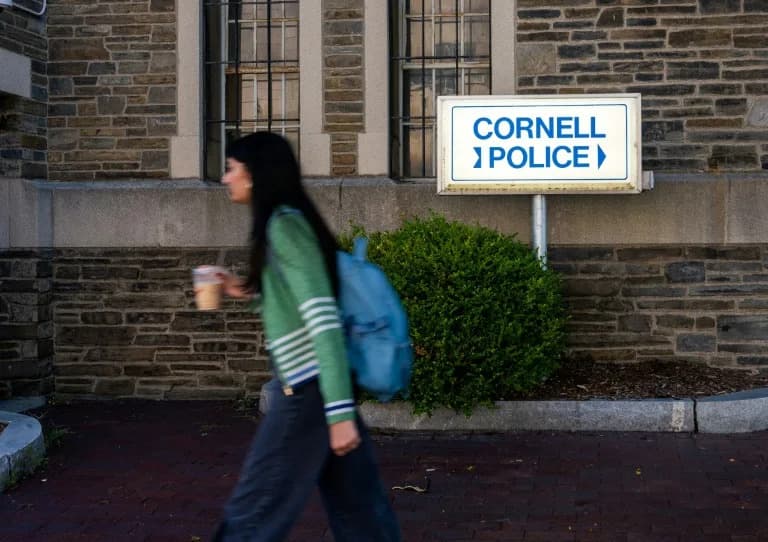
In June, Cornell issued a statement saying it "learned of a deeply disturbing comment by a student on the Handshake platform in violation of the online job board's terms of service" and that the matter had been referred to the Cornell Office of Civil Rights for investigation. The university also reiterated that it "condemns antisemitism and all forms of hatred and discrimination in the strongest possible terms." A university spokesperson later told The Independent the statement remained in effect.
Franco told Accuracy in Media in a video posted July 22 that Cornell and the school's advocacy team had contacted him but that, "as of now, they said there's not anything going on on their back end," and that he believed his original message did not meet the threshold for hate speech. In the same interview, he acknowledged the remark "might not have been the smartest thing to say."
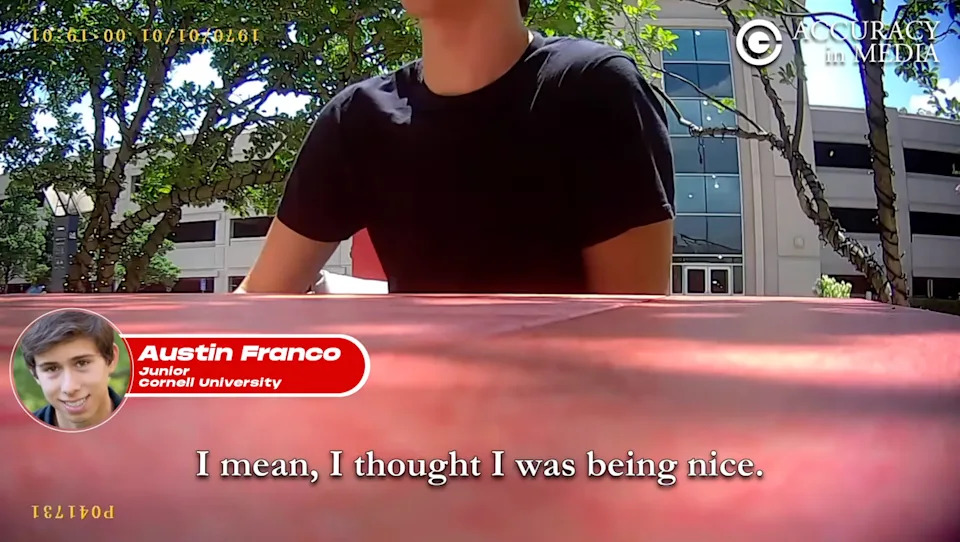
'I mean I thought I was being nice. Saying this is why I don't want to work for you,' Franco said, according to a conservative watchdog group, Accuracy in Media (Accuracy in Media)
"My experiences with Jews have not been pleasant, both in person and online," Franco wrote in a reply on X after the post went viral. He later told the student newspaper he had identified the Einhorn brothers as Jewish based on their "first and last name, LinkedIn, and physiognomy."
Accuracy in Media says the July interview was recorded after the group approached Franco under false pretenses. The Free Expression Foundation, a nonprofit focused on First Amendment issues, has accused Accuracy in Media of impersonating the social-justice organization Justice in the Classroom to arrange the meeting and says it is pursuing remedies.
The episode has raised competing debates about antisemitism, student conduct, privacy and free expression on campus and online job platforms. Cornell's referral of the exchange to the Office of Civil Rights indicates the university treated the matter as a formal concern while the student maintains he remains enrolled.
What We Know
Who: Austin Franco, a 19-year-old rising junior at Cornell.
What: Franco sent a message saying he was "not interested in working for a jew" in response to an internship offer; the message was shared publicly and went viral.
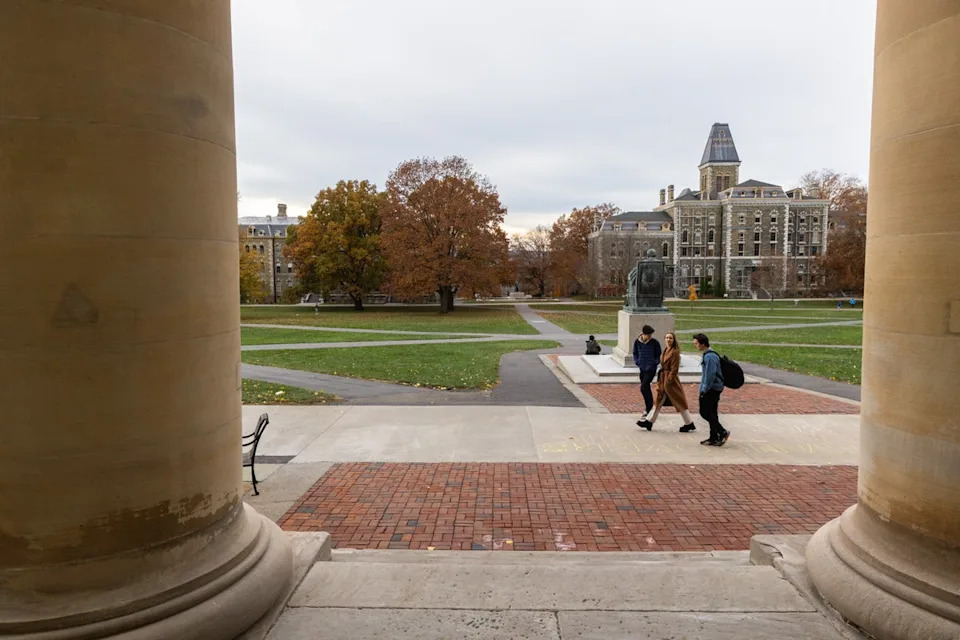
'Cornell condemns antisemitism and all forms of hatred and discrimination in the strongest possible terms,' the university said in a statement last month (Getty Images)
Where: The exchange was shared on X; the original remark was posted to the Handshake platform and the subsequent investigation was handled by Cornell.
University Response: Cornell referred the incident to its Office of Civil Rights and reiterated its condemnation of antisemitism and discrimination.
Contested Interview: Accuracy in Media released a recording of Franco saying he remained enrolled and that he may have been "duped" into the interview; the Free Expression Foundation alleges the recording was obtained through impersonation.
Ongoing Questions
Officials and campus groups continue to debate how colleges should respond to discriminatory remarks made on job-seeking platforms and how to balance disciplinary processes, due process, and students' free-speech protections. Cornell's Office of Civil Rights referral suggests the university is proceeding with a formal review while public discussion continues.
Help us improve.