Parents and educators are pushing back after several U.S. districts introduced AI tools and a humanoid robot without clear family notification or opt-out options. Amira Learning records young students' voices for repeated literacy assessments, prompting privacy and classroom-stress concerns, while Salamanca High School will pilot a robot assistant, Sally, in robotics classes for about $57,590. Investigations reveal contracts may list sensitive student data categories, leading critics to call for stronger board policies, explicit safeguards, and greater investment in human teachers.
Parents Raise Alarm As Schools Deploy AI And Robot 'Teachers' Without Consent
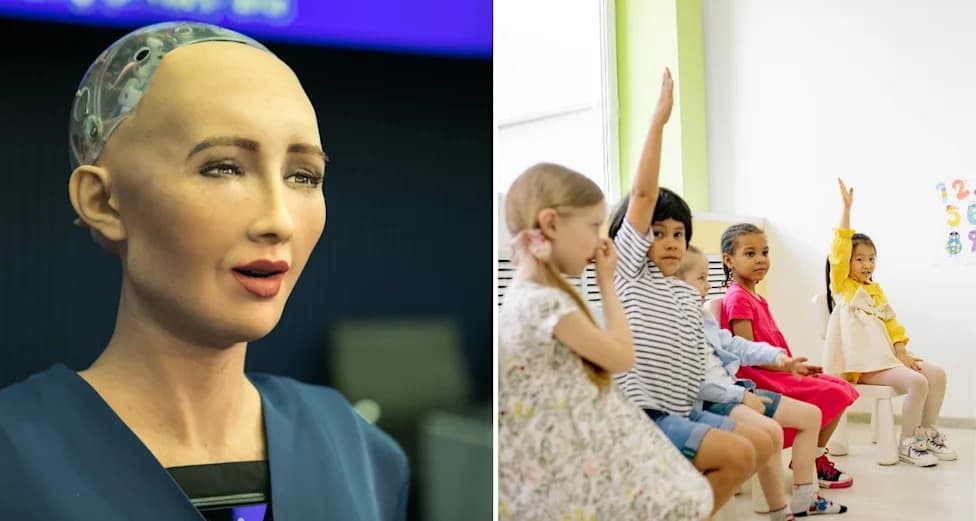
Parents are raising the alarm as schools roll out robot and AI teachers without consent.
As the school year begins, a growing number of parents and educators are pushing back against the rollout of AI-driven learning tools and humanoid robots in U.S. classrooms—often introduced without clear notice or opt-out options for families.
Two High-Profile Examples
Districts in New Mexico and Portland have implemented Amira Learning, an AI reading-assessment program marketed as a tool to improve literacy. Amira uses voice recognition to evaluate young readers and has been deployed for kindergarten through second grade (mandatory) with third grade optional.
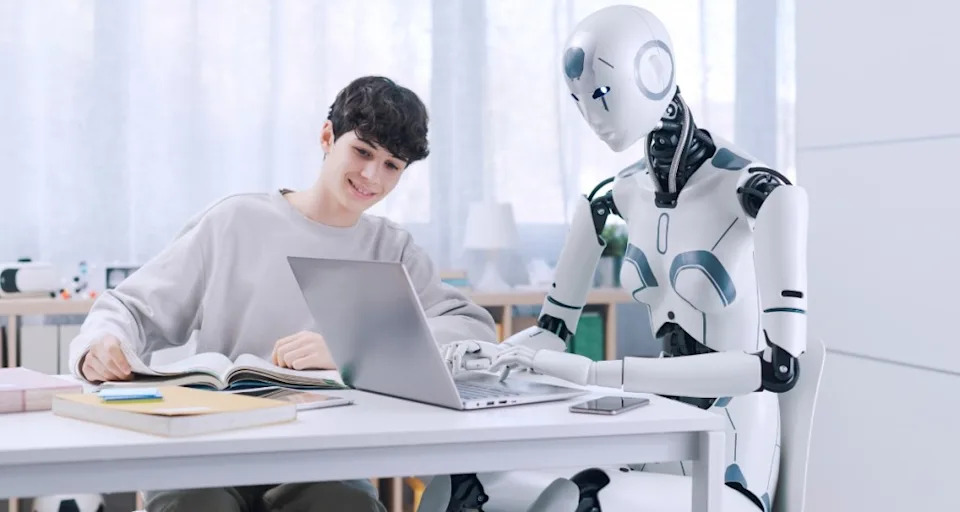
Humanoid on laptop next to teenage boy.Photo Credit: Canva
In western New York, Salamanca City Central School District purchased a humanoid robot assistant called Sally for roughly $57,590 (about $37,000 below list price). The district plans to pilot Sally in robotics and AI classes at the high school and expand her role if the trial succeeds.
Why Parents And Teachers Are Concerned
Privacy and Data Harvesting: Tech policy expert Ifeoma Ozoma and local reporting say many parents received no prior notice that their children’s voices would be recorded or that extensive student data could be collected. Investigations (including reporting by Willamette Week) indicate contracts list categories of information the software collects—potentially including migrant status, languages spoken, place of birth, disability status and more.
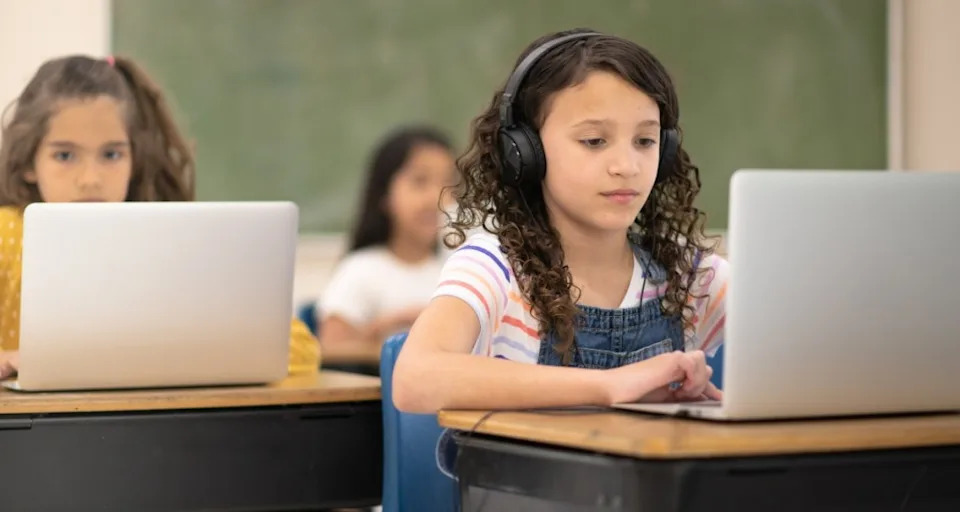
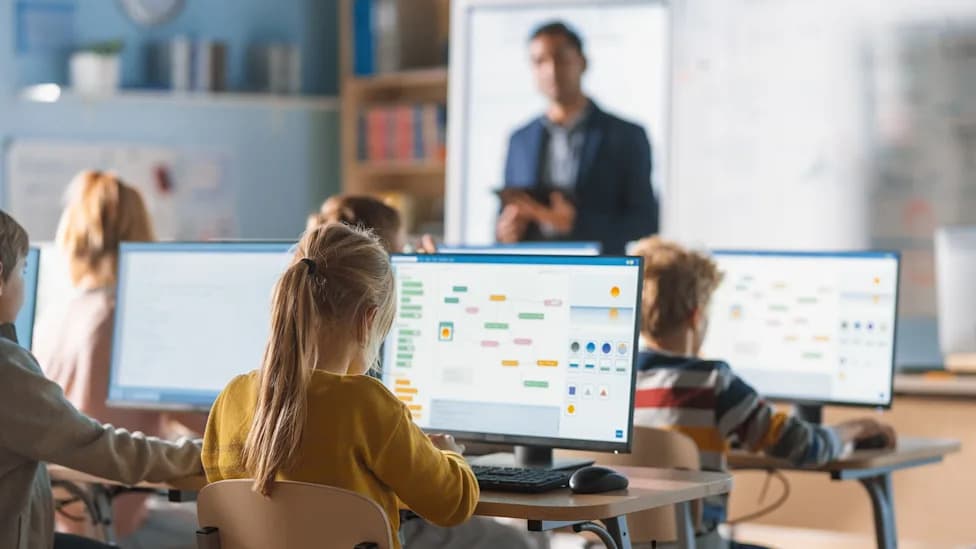
Students on laptops.Photo Credit: Canva
"Not one of the parents I spoke to got a notification that their five- to eight-year-olds would have their voices recorded, and none were given an option to opt out," — Ifeoma Ozoma, tech policy expert.
Classroom Impact: Teachers and aides report students becoming stressed by repeated, computer-led assessments—classes wearing headsets at the same time, children repeatedly asked to say words the AI fails to recognize, and some students in tears when the software mishears them. Educators also say they feel compelled to use the program to meet required usage minutes.
Equity And Community Fit: Salamanca’s decision alarmed some residents because the district serves roughly 1,300 students, about 32% of whom identify as American Indian or Alaska Native, and around 79% who are economically disadvantaged. Community members question whether introducing AI is appropriate given local environmental and socioeconomic challenges.
Humanoid robot.Photo Credit: Canva
Company Claims Versus Contract Details
Amira’s leadership has publicly pledged the company would "never sell a child's data," but reporting into contract language and the volume of voice recordings raises questions about who ultimately controls the data, how it might be used in future model training, and whether the protections are legally enforceable.
School officials and vendors say safeguards are being developed—Realbotix has stated Sally will not store student voices or use facial recognition and that the company will help flag administrators if students disclose self-harm or suicidal intent—but parents and board members continue to ask for written policies and safeguards before wider adoption.
What Critics Are Asking For
Critics urge districts to:
- Provide clear notice and opt-out options for families before deploying tools that record or analyze student data.
- Create board-level AI and data-privacy policies and classroom guardrails.
- Prioritize investments in human teachers, pay, and literacy coaches rather than relying on potentially invasive technology to address staffing shortages.
As districts experiment with AI and robotics, the debate underscores a core tension: balancing potential instructional benefits with privacy, equity, and the essential human role of educators in children's learning.
Help us improve.