The JAMA Health Forum study followed more than 463,000 adolescents (ages 13–17) into their mid-20s and found that past-year cannabis use was associated with higher rates of bipolar disorder, depression, anxiety and psychotic disorders. Most notably, teens who used cannabis faced about double the risk of psychotic and bipolar disorders. The link persisted after adjusting for other drug use and prior mental-health issues, and diagnoses typically appeared 1.7–2.3 years after reported use.
Teen Cannabis Use May Double Risk Of Psychotic And Bipolar Disorders, Large Study Finds
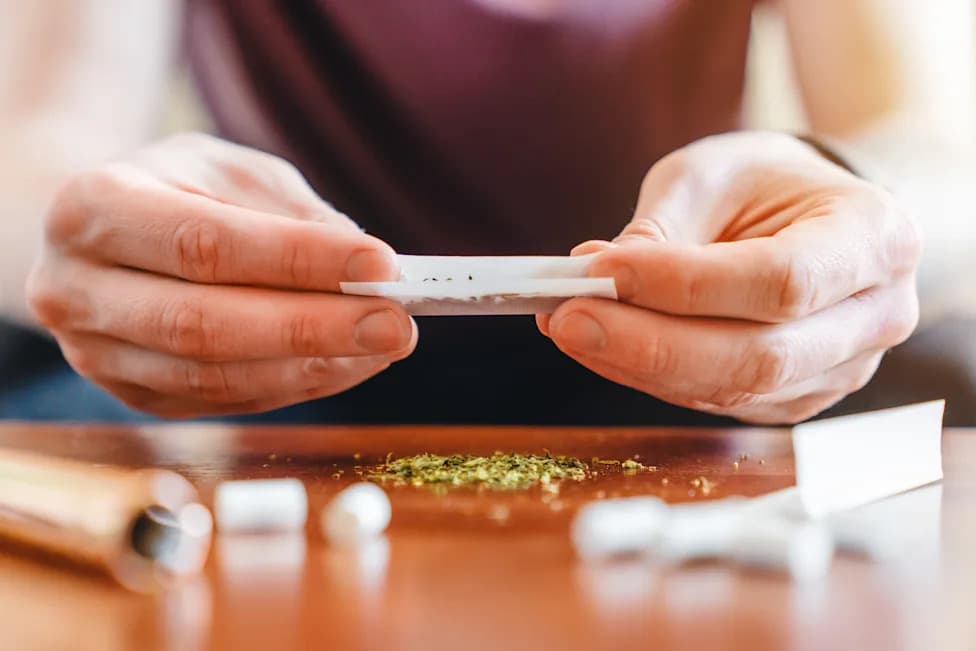
Teen Cannabis Use Might Double the Risk of Severe Mental Health Disorders
Parents of teenagers already juggle worries about grades, friendships and screen time — and many fear their child experimenting with drugs. A large new study published in JAMA Health Forum suggests that cannabis use during adolescence may carry greater risks for the developing brain than previously recognized.
Researchers followed more than 463,000 adolescents (ages 13–17) into their mid-20s. They compared teens who reported any cannabis use in the prior year with those who did not and found higher later rates of bipolar disorder, depression, anxiety, and psychotic disorders among those who used cannabis.
Key Findings
The most striking result: adolescents who reported past-year cannabis use had roughly double the risk of later receiving diagnoses of psychotic and bipolar disorders compared with nonusers. On average, reported use occurred about 1.7 to 2.3 years before an official psychiatric diagnosis. These associations persisted after researchers adjusted for other substance use and prior mental-health conditions, strengthening the evidence that adolescent cannabis exposure is linked to later severe psychiatric outcomes.
Product Potency And Prevalence
Cannabis products today are substantially more potent than decades ago. Average THC in California cannabis flower now exceeds 20%, and concentrated products (edibles, oils) can have THC levels above 95%. Despite higher potency, cannabis remains the most commonly used illicit drug among U.S. teens: about 8% of eighth graders report current use, rising to roughly 26% by 12th grade.
What Parents And Policymakers Should Know
The study’s co-author, Dr. Lynn Silver, called for an urgent public-health response: reducing product potency, prioritizing prevention, limiting youth exposure and marketing, and treating adolescent cannabis use as a serious health concern rather than a benign phase.
"The evidence increasingly points to the need for an urgent public health response — one that reduces product potency, prioritizes prevention, limits youth exposure and marketing, and treats adolescent cannabis use as a serious health issue, not a benign behavior," said Dr. Lynn Silver (reported by Science Daily).
Parents cannot monitor teens around the clock, but they can change how they talk about cannabis. Experts recommend honest, evidence-based conversations about how high-potency THC can affect a developing brain and encourage open lines of communication and early help-seeking when mental-health concerns arise.
Study Limitations
While the study is large and controlled for several factors, it remains observational. That means it demonstrates a strong association but cannot prove cannabis use is the sole cause of later psychiatric illness. Self-reported use and potential residual confounding are additional limitations to consider.
Help us improve.