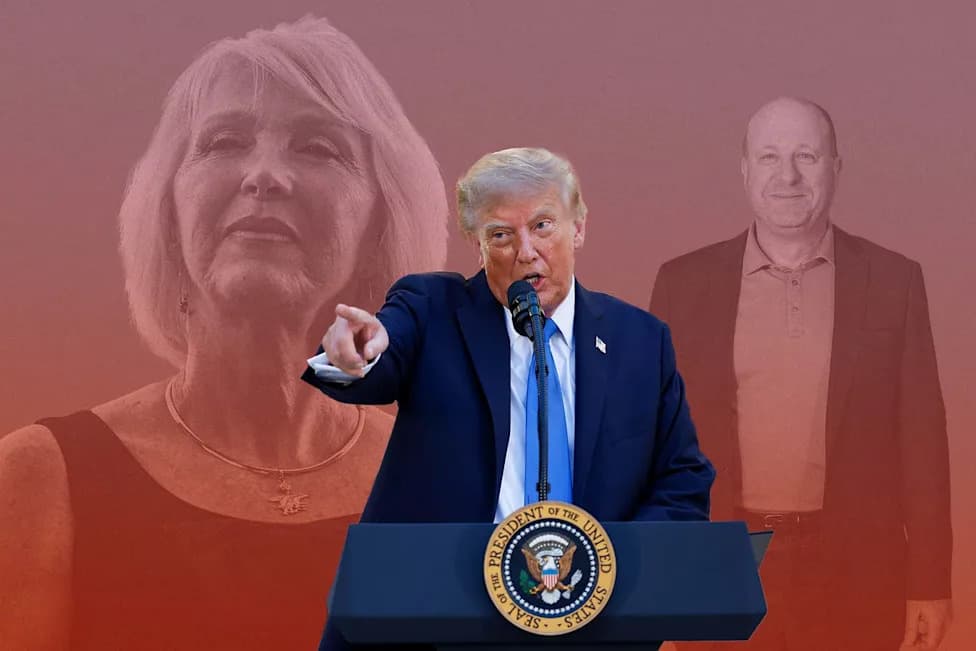
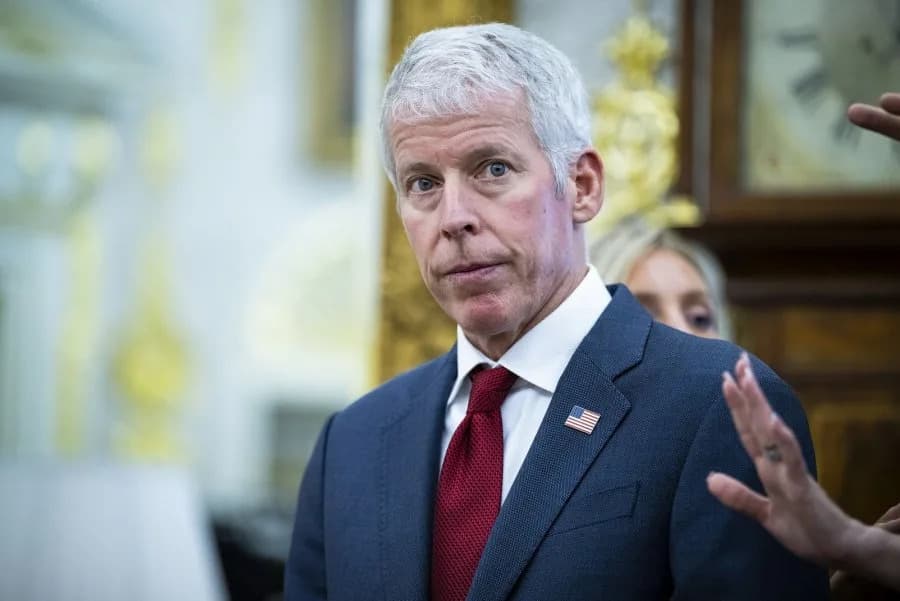
The DOE proposed cancelling 624 Biden‑era clean‑energy grants; OMB limited the final October list to 284 awards, almost all tied to states that voted for Kamala Harris in 2024. DOE counsel Jeff Novak admitted in July stipulations that OMB's selections were made "solely" on the political identity of recipients' states and not on programmatic or performance reasons. Federal courts have since found equal‑protection problems with that selection process, vacating some terminations and restoring several grants. The disclosures raise broader concerns about using federal grant decisions for partisan purposes.
DOE Says OMB Canceled Clean‑Energy Grants “Solely” On Political Grounds — Courts Restore Several Awards
Midjourney
Last September, the Department of Energy (DOE) recommended cancelling 624 clean‑energy grants that had been approved under the Biden administration. The Office of Management and Budget (OMB) later pared that list to 284 awards — and, with one exception, those targeted projects were located in states that both cast their 2024 electoral votes for Kamala Harris and were represented by two Democratic U.S. senators.
OMB Admissions and Legal Challenges
At a June 10 House hearing, Energy Secretary Chris Wright denied that politics played a role, saying, "No decisions were made on politics." But in July stipulations filed in Thakur v. Trump, DOE Principal Deputy General Counsel Jeff Novak acknowledged that OMB's selections were partisan. Novak stated that OMB's choices about which grants to cancel were "based solely on the political identity of the grant recipient's state," and not on "any programmatic, statutory, cost‑reduction, or performance‑based factor."
OMB Director Russell Vought had publicly celebrated the cancellations on October 1, posting on X that "Nearly $8 billion in Green New Scam funding to fuel the Left's climate agenda is being cancelled," and listing 16 affected states — all of which had voted for Harris in 2024. Novak's stipulations make clear that the OMB‑approved subset of terminations excluded grants tied to states that voted for President Trump or that had Republican senators, while the DOE's original list included both categories.
Court Rulings and Outcomes
Multiple lawsuits followed. In St. Paul v. Wright, government lawyers conceded that inclusion in the October 2025 termination tranche was "influenced by whether a grantee's address was located in a State that tends to elect and/or has recently elected Democratic candidates." Plaintiffs argued that such politically motivated terminations violated the Constitution's equal‑protection guarantees and, in some formulations, the First Amendment.
In January, U.S. District Judge Amit P. Mehta found the plaintiffs lacked standing to pursue a First Amendment claim but ruled for them on the Fifth Amendment equal‑protection claim. Judge Mehta concluded that treating grantees differently because they were located in "Blue States" failed even the deferential rational‑basis review: there was no evidence the distinctions furthered DOE's energy priorities or relied on performance‑related factors. That ruling vacated seven terminations. A subsequent stipulated judgment in American Institute of Chemical Engineers v. Wright restored 11 additional awards.
Why This Matters
Novak's admission that OMB's October selections were determined "solely" by state political identity undercuts the government's earlier suggestion that partisan data might have served as a proxy for legitimate policy considerations. Courts have found that differential treatment of similarly situated grantees on the basis of political geography raises serious constitutional problems under equal‑protection principles.
Beyond the immediate litigation, the episode has prompted broader concern about whether federal grantmaking can be weaponized for partisan ends. Plaintiffs and some critics say the pattern illustrates a troubling use of executive‑branch authority to penalize political opponents; the government has defended its actions by emphasizing cost‑cutting and administrative priorities.
Current Status
Some grant terminations have been vacated and several awards restored; litigation continues in related matters. The DOE's stipulations and judicial rulings have clarified that OMB's October 2025 selection process relied primarily on the political identity of grantees' states rather than programmatic or performance criteria.
Key documents: Stipulations in Thakur v. Trump, the decisions in St. Paul v. Wright and American Institute of Chemical Engineers v. Wright, and public statements by OMB Director Russell Vought and DOE officials.
Help us improve.