The article examines how doubts about “electability” often reflect what voters think others will accept, not their own preferences, and how those misperceptions can become self‑fulfilling. Peer‑reviewed studies (including work from MIT’s PERL and Stanford) show people overestimate others’ sexism and racism, leading politically engaged actors to favor supposedly "safe" white male candidates. Alexandria Ocasio‑Cortez and Pete Buttigieg are presented as current examples: both poll strongly in some surveys despite recurring identity‑based doubts about their viability. The piece argues these assumptions—not individual voters’ private views—are a major barrier to more diverse nominees.
“The Country Isn’t Ready”: How Electability Doubts Become Self‑Fulfilling Prophecies
‘The Country Isn’t Ready’: How an Electability Myth Became a Self-Fulfilling Prophecy
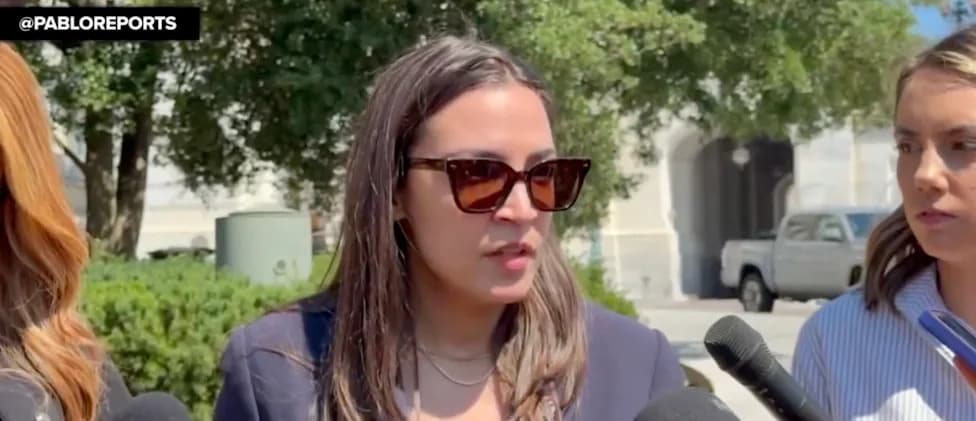
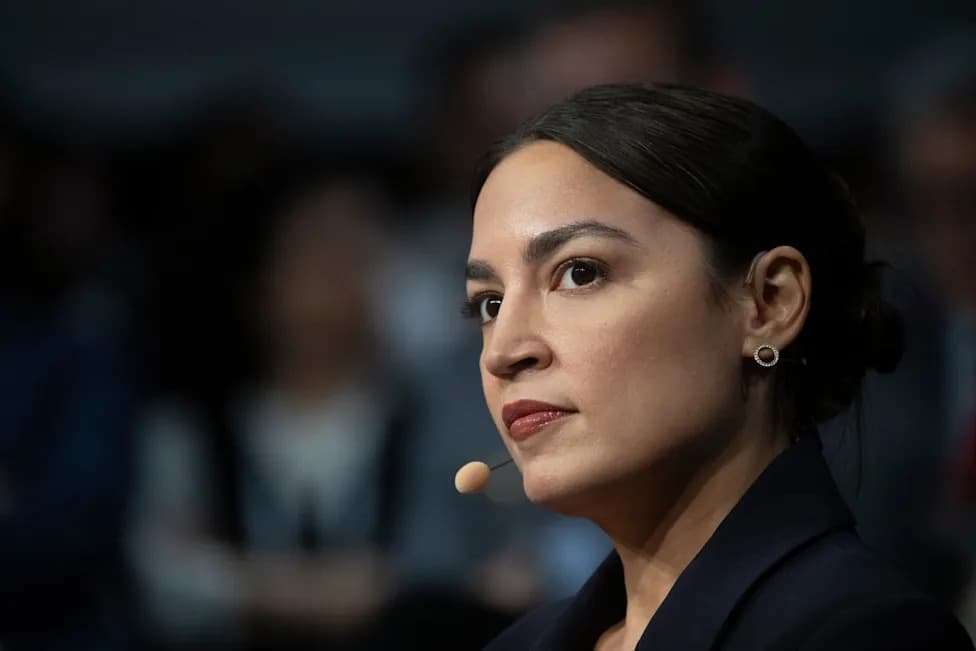
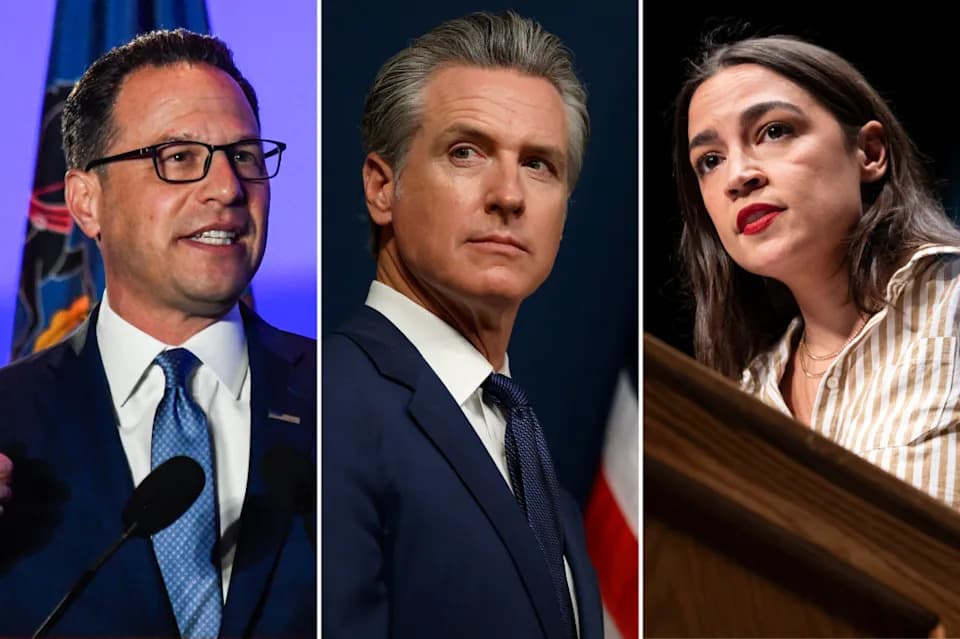
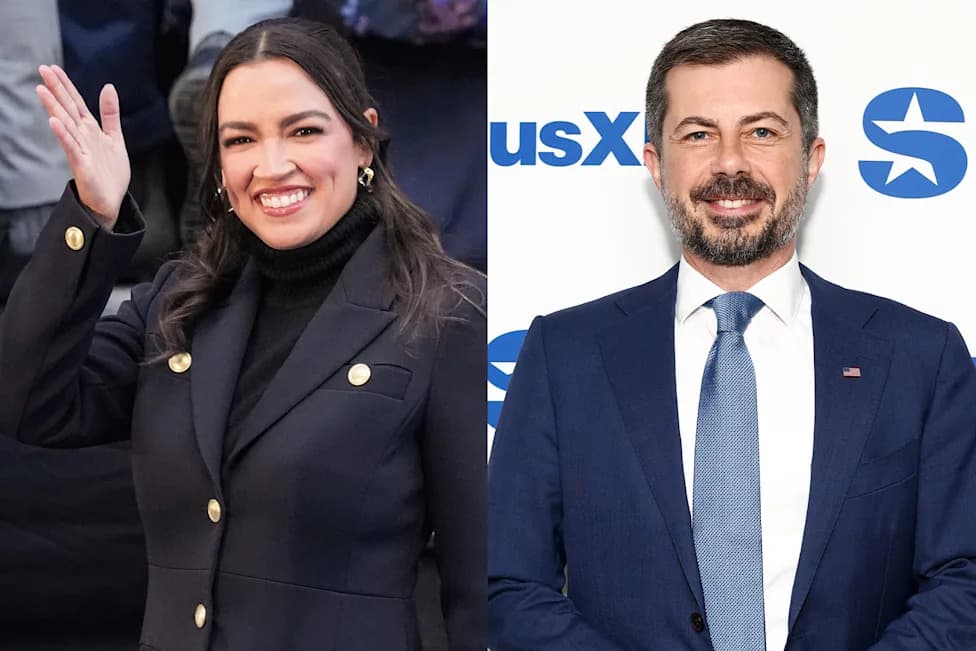
Two of the most prominent figures in contemporary American politics—on paper, unlikely bedfellows—are a democratic socialist from the Bronx and an openly gay man from Indiana. Yet both Alexandria Ocasio‑Cortez and Pete Buttigieg are increasingly central to early 2028 Democratic primary conversations.
Recent polls illustrate that tension. The University of New Hampshire’s Granite State Poll found Ocasio‑Cortez at 22% and Buttigieg one point behind among likely 2028 Democratic primary voters. A national Emerson College poll placed Buttigieg at 19% with Ocasio‑Cortez tied for third at 13%, and an AtlasIntel poll in May showed Ocasio‑Cortez leading nationally with Buttigieg second.
What People Mean By “Electability”
“Electability” is routinely invoked as shorthand for whether a candidate’s identity, temperament, or background will play with a hypothetical, decisive group of voters. The phrase often functions as a third‑person caveat: supporters privately say they would vote for an unconventional candidate, but insist that “others” would not.
Decades of polling and peer‑reviewed research suggest the real problem is not most voters’ private preferences but what people believe everyone else will accept. That belief can shape donors’, activists’, and insiders’ behavior and, in turn, narrow the field before a broader electorate has its say.
Evidence From the Trail and the Lab
The phenomenon is vividly illustrated by Regina Bateson’s 2018 primary run in California’s 4th Congressional District and the 2020 peer‑reviewed study that followed. Bateson—an academic and former diplomat—found voters liked her personally but repeatedly said they feared their neighbors would object to her identity. The MIT Political Experiments Research Lab (PERL) experiments that accompanied her work included nearly 6,000 respondents matched to census demographics and weighted for political engagement. The study found that a majority of subjects overestimated others’ sexism and racism and that those misperceptions reduced perceived electability for diverse candidates. In one experiment, a Black woman with identical qualifications to a white man was rated 20% less electable.
Subsequent research from Stanford reinforced these findings. Across six experiments with roughly 8,000 additional Americans, researchers found that voters who personally preferred a woman candidate would often abandon her for a man if they believed she could not win. The authors argued that people rely on what they have seen in the past, and that this conservatism can slow social change.
How Strategists and Insiders React
Those beliefs matter most among the politically engaged: donors, activists, operatives, and party insiders. Bateson described “strategic discrimination,” where partisans, desperate to win in polarized times, favor candidates who appear to be a safe, conventional bet—often white and male—rather than taking risks on women or people of color.
High‑profile examples amplify the debate. In her memoir 107 Days, Kamala Harris wrote that Pete Buttigieg would have been an ideal running mate—“if I were a straight white man.” A 2019 Quinnipiac poll found 70% of voters said they would vote for a gay president (including 85% of Democrats), yet more than half of that sample believed the country was not ready. After the 2024 campaign, Michelle Obama bluntly challenged audiences that they were not ready for a woman—an echo of the electability argument’s enduring potency.
What Recent Races Show
The claim that voters reject diverse candidates is complicated by recent election margins. Hillary Clinton won the 2016 popular vote by about 2.1%—nearly three million votes—but lost the Electoral College by a handful of votes in key counties. Kamala Harris, who ran a short 107‑day campaign in 2024, lost the popular vote by under 1.5 points while still amassing one of the largest raw vote totals in history. These narrow outcomes suggest structural factors and geography often matter more than simple claims about a national unwillingness to elect women or diverse leaders.
Ocasio‑Cortez and Buttigieg: Modern Case Studies
Alexandria Ocasio‑Cortez’s recent polling shows surprisingly broad support in hypothetical matchups. A December poll put her statistically tied in a hypothetical matchup with JD Vance, and the internals showed especially strong support among Black, Hispanic, younger, and female voters. Her grassroots fundraising is also notable: FEC filings show she raised more than $23.6 million in 2025 from individual donors, refusing corporate PAC money.
Pete Buttigieg, who rose quickly in the 2020 primary but faltered when he could not consolidate younger and Black voters, has kept active in early states and battlegrounds. Polls since his Cabinet tenure show him competitive in some measures but still facing gaps with key demographic groups—gaps he has worked to close.
Why This Matters for 2028
The article argues that the biggest barrier to diverse candidates may be expectations about other voters rather than voters’ own private preferences. If donors and insiders act on inflated estimates of prejudice, they may preemptively sideline candidates who could, in fact, win. That dynamic turns a perception into a structural impediment.
“Concern about others’ biases could be causing individuals to doubt the electability of diverse candidates,” Bateson and colleagues wrote—an insight that helps explain why identity‑based electability doubts persist even as polling data shift.
Whether those doubts will determine the 2028 Democratic primary remains uncertain. What is clear is that assumptions about “who the country will accept” can change behavior in ways that make those assumptions come true.
Author note: Alex Ashley reported the original piece. This version preserves reported poll results, study findings, and direct quotes while improving clarity, structure, and readability.
Help us improve.