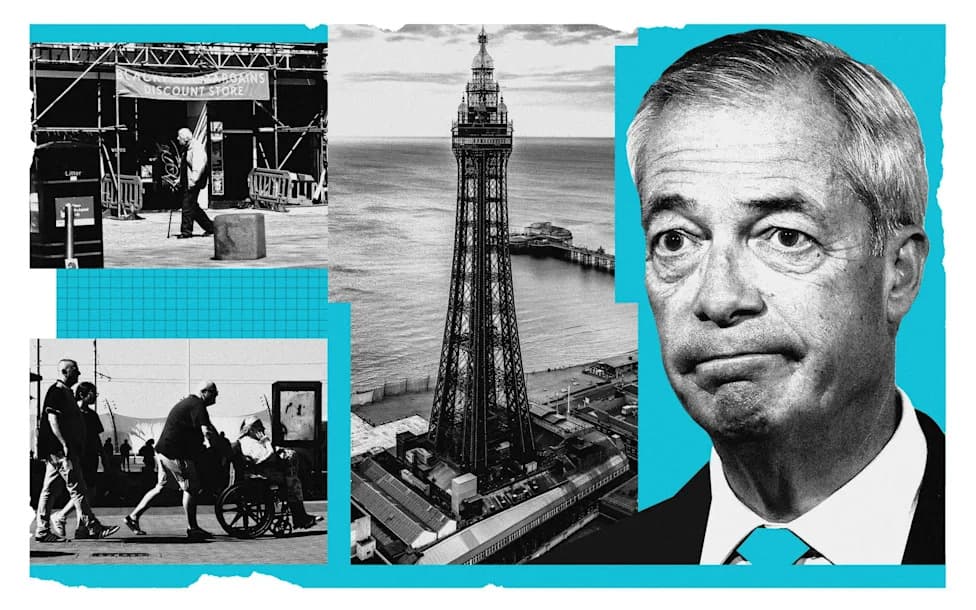
Andy Burnham has favored public spending to tackle policy problems, unveiling measures such as capped bus fares and VAT relief on electricity. The largest pool of potential savings is the roughly £333bn welfare bill, which has risen sharply and now represents about a quarter of government expenditure. Key options include altering the pension "triple lock" and tightening sickness and disability entitlements, though political resistance within Labour could make reforms difficult. Any attempt to free funds from welfare will require careful policy design and strong political will.
The £333bn Welfare Bill Burnham Must Confront — Where Savings Could Fund His Spending Pledges
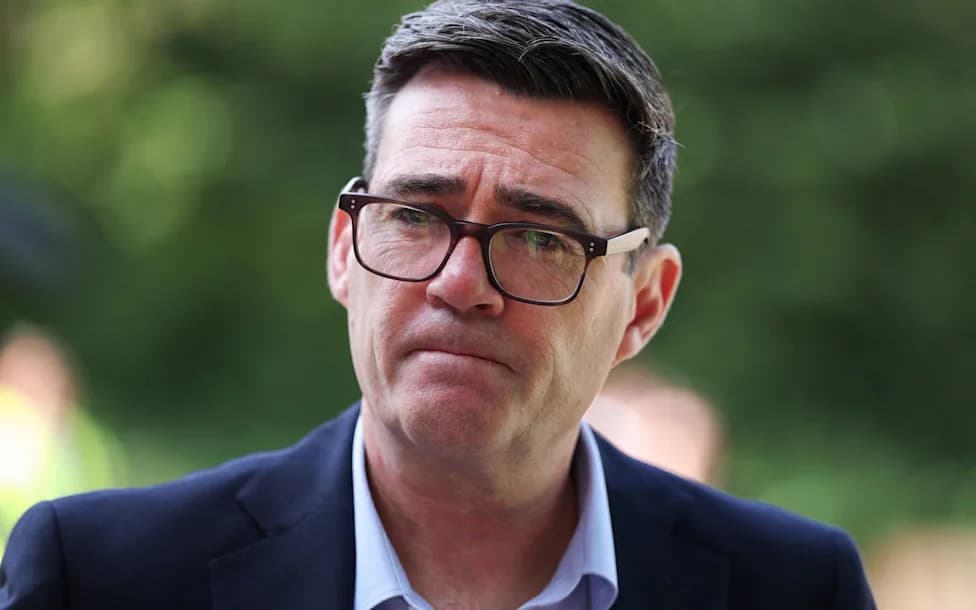
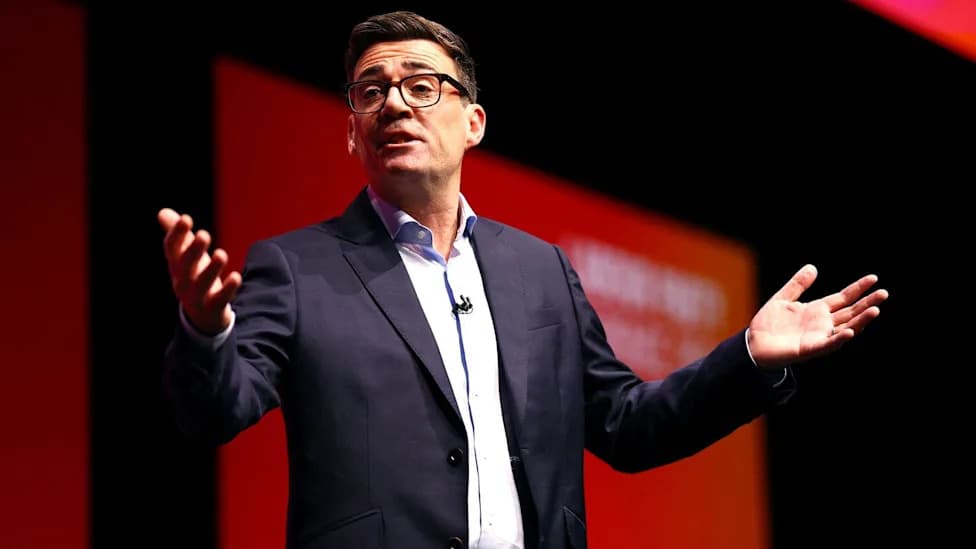
Andy Burnham will need to confront the elephant in the room - Toby Melville/WPA
A week into his time in office, Andy Burnham has leaned toward funding policy promises with additional public spending. High-profile measures such as capped bus fares and removing VAT from electricity bills have dominated headlines, and further spending announcements appear likely.
How Could He Pay For It?
Mr Burnham could seek to finance unfunded promises by borrowing on the bond market or by introducing tax rises. But the most immediate and politically conventional option is to reallocate spending: that means finding savings elsewhere in the budget.
The Elephant In The Living Room: Welfare
Sitting squarely in front of any budget review is the annual welfare bill, roughly £333bn. Payments to pensioners, people with disabilities, those incapacitated and the unemployed account for about a quarter of total public spending. The state now spends around two-thirds more on welfare than on health and social care.
Welfare spending has jumped by more than 45% since the start of the decade, including a roughly 6% rise in the last year alone. With Britain’s population ageing and health needs rising, the Office for Budget Responsibility (OBR) projects welfare spending to grow by about 4% a year through the rest of this decade, taking its share past 11% of GDP.
Politics Versus Policy
Welfare is both the largest potential source of savings and, in some respects, the most politically defensible. Public polling this year has suggested a willingness among broad groups of voters—including some Green and Labour supporters—to support welfare reform if it strengthens the wider economy. An Ipsos poll also found notable backing for redirecting welfare funds to close a £15bn defence funding gap.
However, within progressive political circles, proposals to cut welfare often meet strong resistance. That backlash has previously forced the abandonment or dilution of proposed cuts to disability benefits and other measures. Mr Burnham himself has acknowledged the risk, warning that "crude cuts to welfare … often create a backlash, and understandably so."
Where Savings Could Be Found
Nearly half the welfare bill goes on pensions. The so-called triple lock, introduced in 2011 to guarantee generous annual rises, has helped reduce pensioner poverty but has also materially increased long-term pension costs. One plausible reform would be to link annual pension increases to wage growth rather than the triple lock's current formula; that change could save the Treasury on the order of £16bn a year.
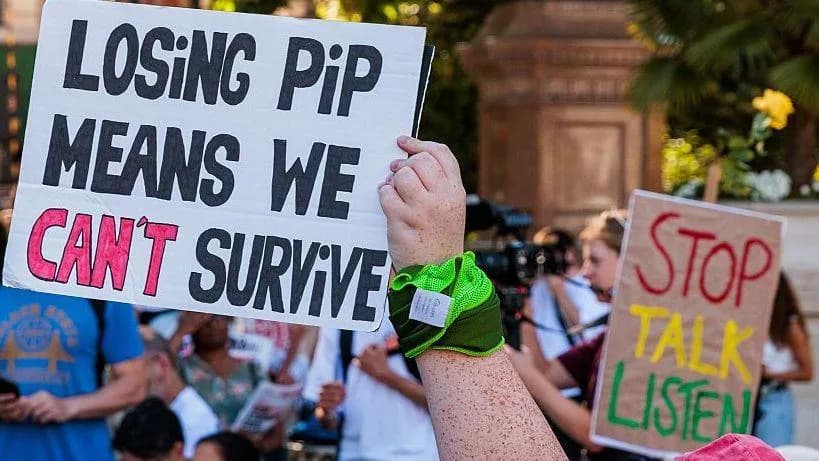
Sickness and disability benefits are another rapidly growing area. The Personal Independence Payment (PIP) system now supports about four million recipients—roughly double the pre-pandemic number—and around 40% of claims relate to mental health conditions. Concerns have been raised about assessment, monitoring and interactions with other entitlements that, in some cases, can create effective pre-tax incomes near £30,000 and disincentives to return to work. If current trajectories continue, sickness-related spending could top £60bn by the end of the decade.
Reform advocates point to international comparisons, tighter oversight and redesigned incentives as ways to reduce dependency while encouraging employment. Former ministers and several think tanks, including the Resolution Foundation, have identified billions of pounds in potential savings from fixing anomalies in benefits design—for example, the comparative generosity of the Universal Credit health element.
Conclusion: Politics Will Decide
Whether Mr Burnham is prepared to pursue these reforms is ultimately a political judgment. Cutting or reshaping welfare would inflict political pain among certain constituencies even as it frees up funds for other priorities. Delivering durable reform would require careful design, clear communication, and a willingness to withstand internal opposition.
Bottom line: The £333bn welfare bill is the largest single area where savings could be found to fund new spending, but political constraints and distributional trade-offs will determine which reforms are feasible.
Note: This article corrects earlier wording that described Mr Burnham as being in a "premiership." The piece refers to his early period in office and policy direction, not a formal prime ministerial tenure.
Help us improve.