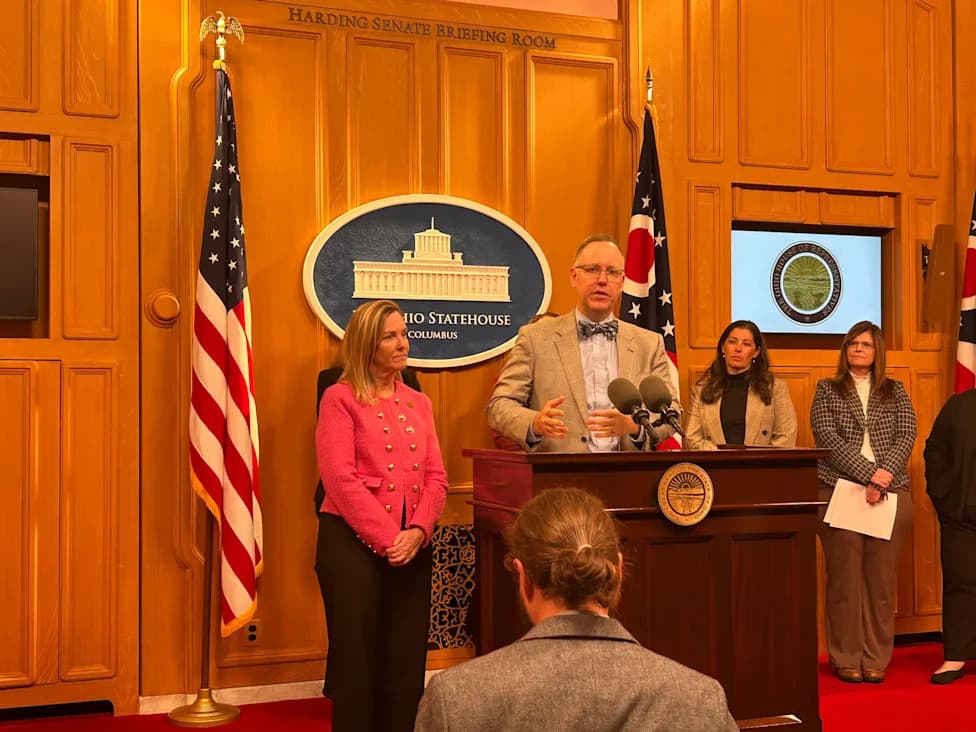
Ohio’s Safe at Home program, established in 2016 and overseen by the Secretary of State, hides survivors’ addresses and contact details from many public records to reduce the risk of being found by abusers. Participation rose from 249 people in 2020 to 3,718 in 2026 after increased staffing, outreach and up to $400,000 in annual funding. Applicants work with an application assistant, need only a notarized affidavit (no abuse documentation), and must check in every four years to stay enrolled. While the program offers strong state and local protections, it cannot control federal agencies or private companies that publish personal information online.
How Ohio’s Safe at Home Program Lets Survivors Keep Their Address Private
How domestic violence survivors can shield their address in Ohio
Fear of an abuser should never keep someone from voting, renting or buying a home. Ohio’s Safe at Home address confidentiality program hides participants’ personal details—such as street addresses and phone numbers—from public databases so perpetrators cannot locate them.
What the Program Does
Safe at Home lets eligible survivors use a substitute P.O. box and a “safe name” for public records, forwards mail to a confidential address, and keeps addresses off public voter rolls so participants can vote securely. The Ohio Secretary of State’s office receives and forwards mail to participants and provides a participant card with the substitute address.
Who Qualifies
The program, launched in 2016 and administered by the Secretary of State under Frank LaRose, is open to survivors of domestic violence, sexual assault, human trafficking, rape, sexual battery or stalking, as well as members of their households. Applicants do not need to provide documentation of abuse or crimes, but must sign a notarized affidavit attesting they qualify for the program.
How To Apply
Applicants must work with an application assistant. Ohio has more than 700 assistants; find one at ohiosos.gov/directories/find-an-application-assistant or call (614) 995-2255. The assistant will help complete the form and submit it to:
Ohio Secretary of State
P.O. Box 16395
Columbus, OH 43216
Participation, Funding And Impact
Enrollment has climbed sharply: participation rose from 249 people in 2020 to 3,718 in 2026 after increased staffing, outreach and funding. The most recent state budget authorized up to $400,000 per year for the program; previously it relied in part on fines that generated roughly $5,000 annually.
Limits And Safety Considerations
Safe at Home protects many public records at the state and local level, but it does not give the program authority over federal agencies or private companies that might post personal information online. Participants should proactively request that employers, landlords and other organizations use their confidential address for any public-facing records.
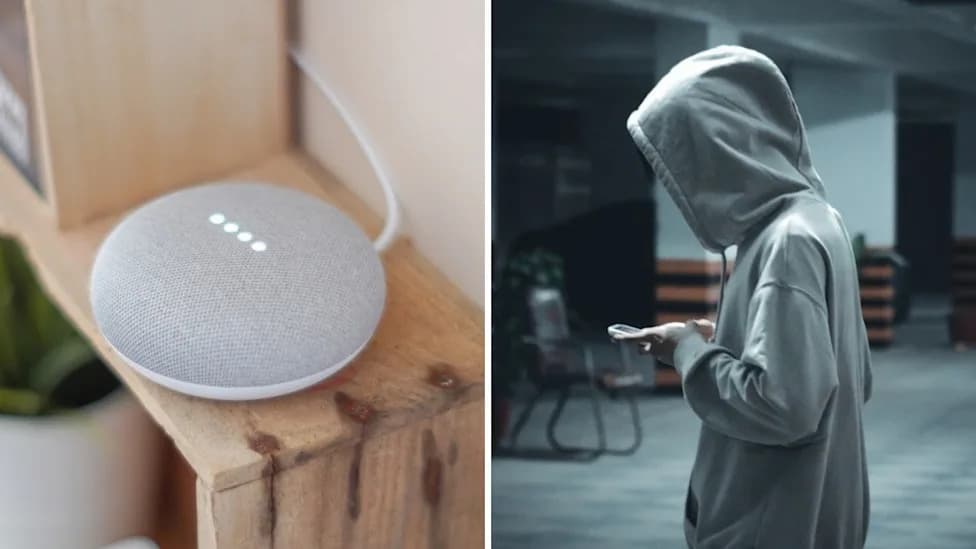
Survivors should also secure their digital footprint. The National Network to End Domestic Violence’s Safety Net Project offers practical tips at techsafety.org, including using social media privacy settings, avoiding account linking, and regularly reviewing friends and followers lists.
Legislative Change Under Consideration
Senate Bill 225 would expand eligibility to include additional household members and victims of certain crimes that caused serious physical harm or death or involved threats with a deadly weapon. The bill passed the Ohio Senate unanimously in May and awaits a vote in the Ohio House. It also proposes to exempt judges’ and prosecutors’ home addresses from public records requests. Some officials and the Ohio Recorders' Association support the bill’s intent but have raised questions about implementation.
Important Practical Details
- Participants must check in with the Secretary of State’s office at least once every four years to remain enrolled; otherwise their information may become public again.
- To apply, work with an application assistant (online or by phone at (614) 995-2255).
- The program is a tool to reduce risk but cannot guarantee safety—use it alongside other safety planning resources.
Context And Safety Data
The Domestic Violence Network of Ohio’s 2025 fatality report found that 16% of perpetrators in Ohio domestic violence deaths had a history of stalking, a figure advocates say may understate the true prevalence. Officials and advocates emphasize that address confidentiality can be an important part of broader safety and recovery strategies.
For questions about the program or media inquiries, contact state government reporter Jessie Balmert at [email protected] or @jbalmert on X. This article originally appeared in The Columbus Dispatch.
Help us improve.