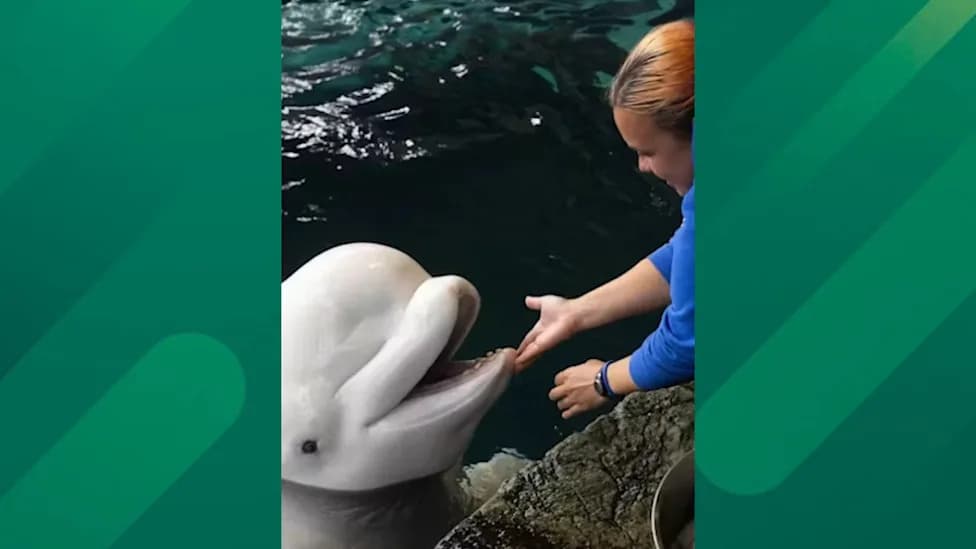
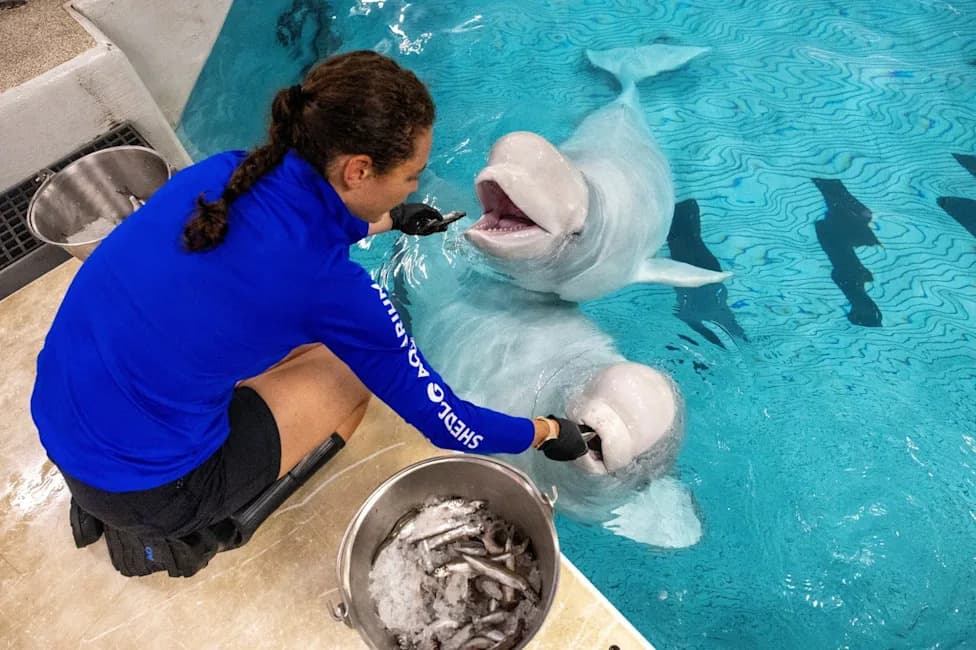
Shedd Aquarium has accepted four female belugas—Acadia, Osiris, Sierra and Lillooet—transported more than 500 miles from Marineland of Canada in specialized, water-filled containers accompanied by veterinary staff. The transfer is the first phase of a larger effort to relocate roughly 30 whales after Marineland closed in 2024 amid welfare concerns and reported animal deaths. The belugas are off public view while receiving enhanced nutrition, veterinary care and behavioral monitoring; Shedd has pledged lifelong care for up to 10 rescued whales.
Four Rescued Belugas Arrive In Chicago After 500-Mile Transfer From Closed Canadian Park
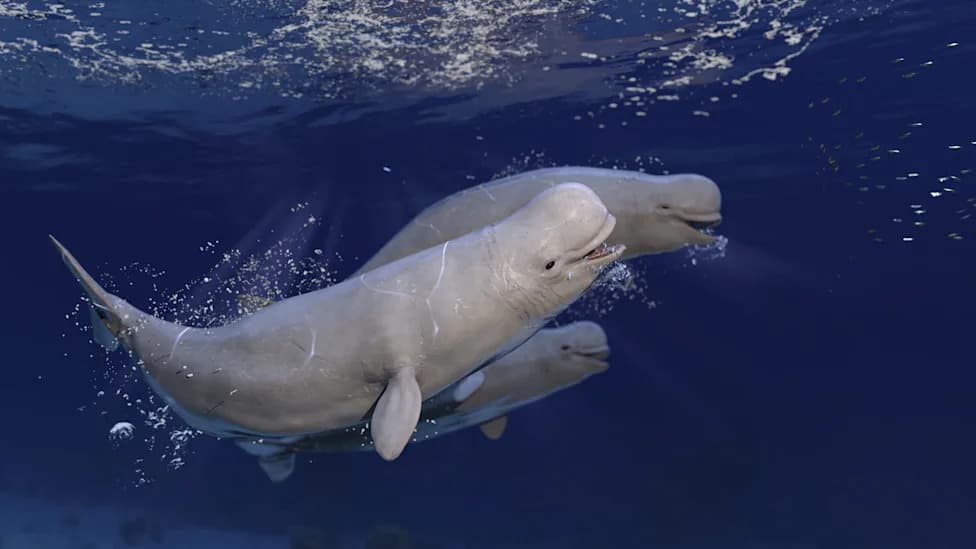
Photo Credit: iStock
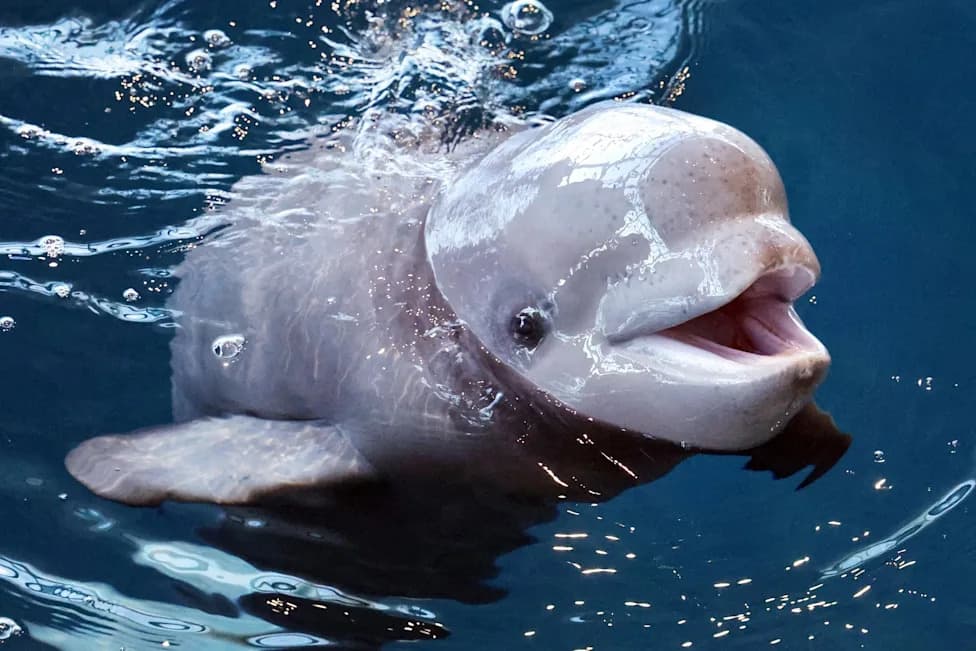
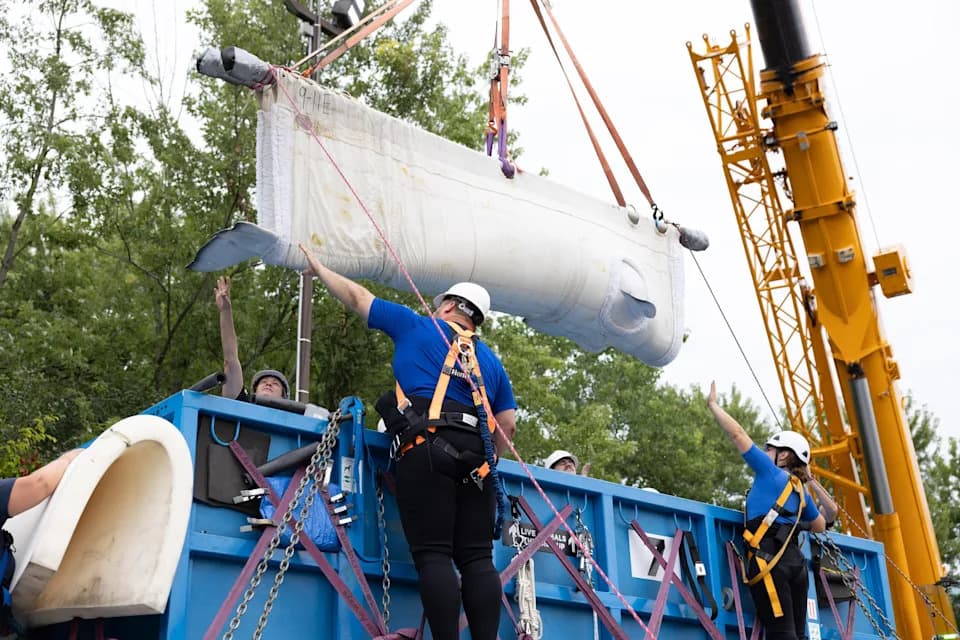
Shedd Aquarium in Chicago has welcomed four rescued female beluga whales after a coordinated international transfer from Marineland of Canada in Niagara Falls, Ontario. The animals—Acadia (27), Osiris (26), Sierra (26) and Lillooet (21)—arrived following a journey of more than 500 miles that combined road and air transport.
The whales were moved in specialized, water-filled containers with marine-mammal veterinarians and animal-care staff accompanying them throughout the trip. Shedd officials said the animals are now receiving professional, science-based veterinary care and enhanced nutrition as they acclimate to their new environment.
Background And Rescue Effort
The arrival marks the first phase of a broader relocation plan for roughly 30 whales formerly held at Marineland, which closed to the public in 2024 amid financial strain and concerns about animal welfare. Records obtained by The Canadian Press indicate about 20 whales and one dolphin have died at Marineland since 2019. Before the National Oceanic and Atmospheric Administration approved an emergency rescue plan, some of the remaining animals were considered at risk of euthanasia.
Care, Acclimation And Long-Term Plans
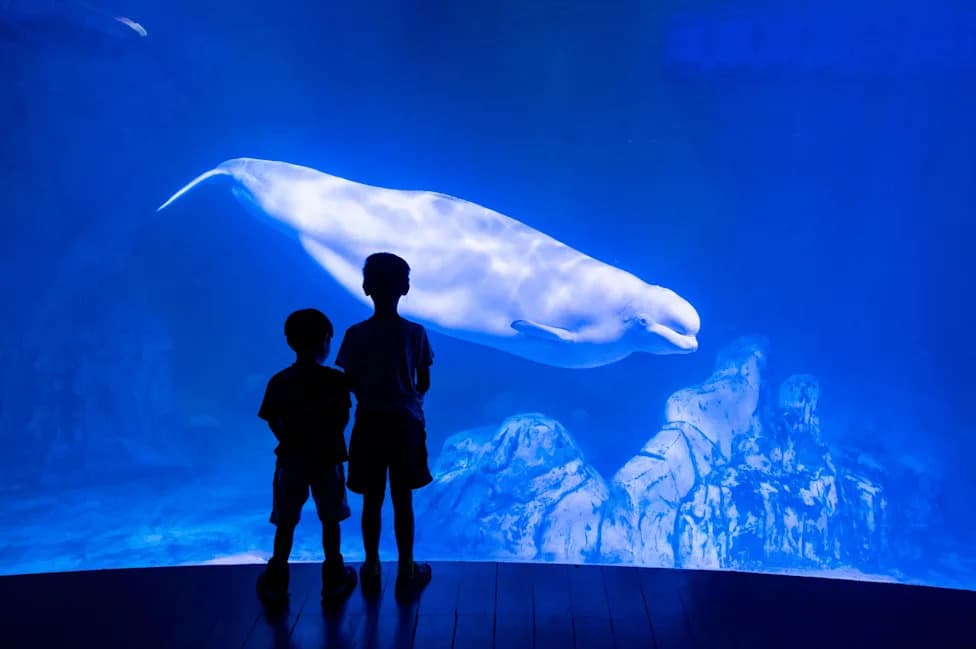
Shedd already cares for eight belugas and is one of six accredited U.S. institutions that maintain beluga programs. The aquarium has pledged lifelong care for up to 10 of the rescued animals. The four newcomers were kept together during transport because of their social bonds, but are temporarily off public display while staff monitor eating, social behavior and habitat exploration—key indicators of well-being.
"This moment marks the next chapter for these rescued belugas," said Dr. Karisa Tang, lead veterinarian at Shedd Aquarium. "We are focusing on nutrition, veterinary checks and allowing each animal to acclimate at her own pace."
Other organizations participating in the wider rescue and relocation effort include SeaWorld San Antonio and, pending approval, Georgia Aquarium and SeaWorld San Diego. The coordinated response highlights how accredited public aquariums can mobilize resources and expertise to protect vulnerable marine mammals when private facilities are unable to provide adequate care.
For now, caretakers say their priority is stability: ensuring the belugas are eating a full diet, interacting socially, and exploring their new habitat—all encouraging signs as the animals recover and adjust.
Help us improve.