The Gulf conflict has rekindled, with US strikes on Iranian targets after Tehran attempted to restrict passage through the Strait of Hormuz. Houthi attacks in the Red Sea now threaten shipping to the Suez Canal, endangering two vital trade arteries. Energy prices have risen and supplies of jet fuel and fertilisers may face shortages, risking wider economic disruption. An urgent, coordinated international response—diplomatic first, with maritime protection if needed—is required to reopen and secure these waterways.
Reopening the Gulf: Why Ending the Iran Conflict Is a Global Imperative
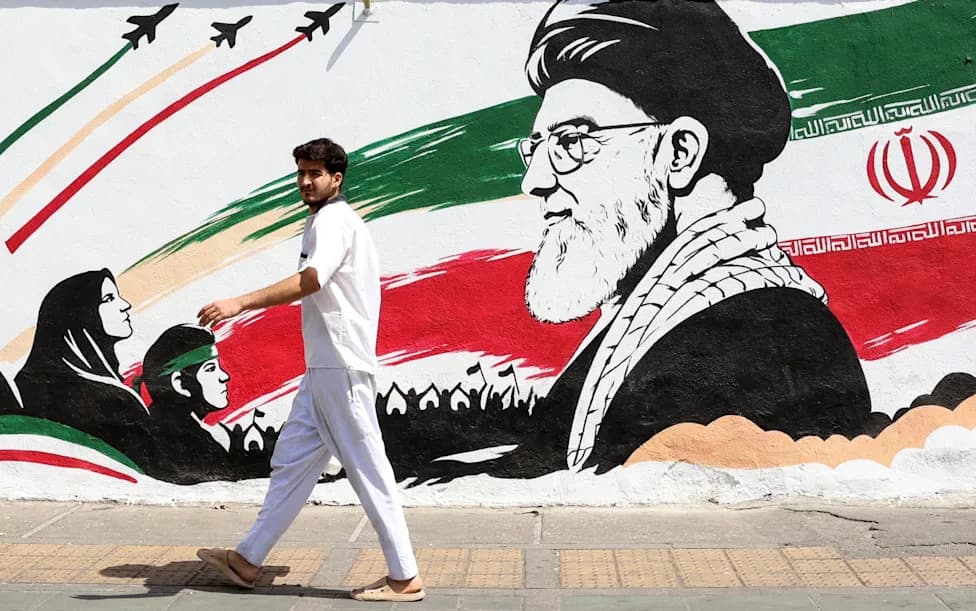
A man walks past a mural depicting late Iranian supreme leader Ayatollah Ali Khamenei in Tehran on July 24, 2026
The Gulf conflict, which many hoped had ended weeks ago, has intensified again. US forces have carried out strikes on Iranian targets after Tehran sought to restrict passage through the Strait of Hormuz, while allied and proxy actions have extended the fighting into the Red Sea.
Over the weekend there was a temporary lull in direct exchanges that raised hopes of renewed diplomacy; some reports suggested the pause reflected a depletion of US missile stocks rather than a strategic breakthrough.
The Houthi militia in Yemen, widely seen as aligned with Iran, has attacked commercial shipping bound for the Suez Canal, putting two of the world’s most vital maritime arteries—the Strait of Hormuz and the routes to the Suez—at acute risk.
A tanker struck a mine in the Strait on Sunday, and Saudi oil exports are under pressure from attacks on multiple fronts, with several refineries reportedly targeted. The disruption has already pushed oil prices higher and threatens shortages of jet fuel and agricultural fertilisers.
Debate over strategic errors attributed to President Donald Trump has been overtaken by urgent questions about how to manage the fallout. The international community cannot afford to stand aside while the region’s principal transit corridors are effectively obstructed.
To date, multilateral responses have been limited and fragmented. Domestic political debates in several countries have so far given the crisis insufficient sustained attention, increasing the risk that national preparations for economic disruption will be inadequate.
The Memorandum of Understanding that underpinned the earlier ceasefire reportedly offered Iran sanctions relief and financial incentives, but those concessions did not satisfy hardline elements determined to exert control over maritime traffic. Reopening and securing these waterways is a shared interest for all nations that rely on them and will require coordinated international action—diplomatic pressure and, where necessary, robust maritime protection.
Immediate Priorities
Diplomatic efforts: Convene an international diplomatic initiative, ideally UN-led, to de-escalate and reopen channels for negotiation.
Maritime security: Organise multinational naval escorts, expand mine-clearance operations and increase aerial and satellite surveillance of key routes.
Economic safeguards: Prepare contingency plans to stabilise energy, jet-fuel and fertiliser supplies, and coordinate measures to prevent a broader disruption to global trade and food systems.
Ending the conflict is not solely a regional necessity but a global economic imperative. Governments and international institutions must act quickly and collectively to reopen the waterways, protect commercial shipping and prevent the crisis from tipping the world economy into deeper disruption.
Help us improve.