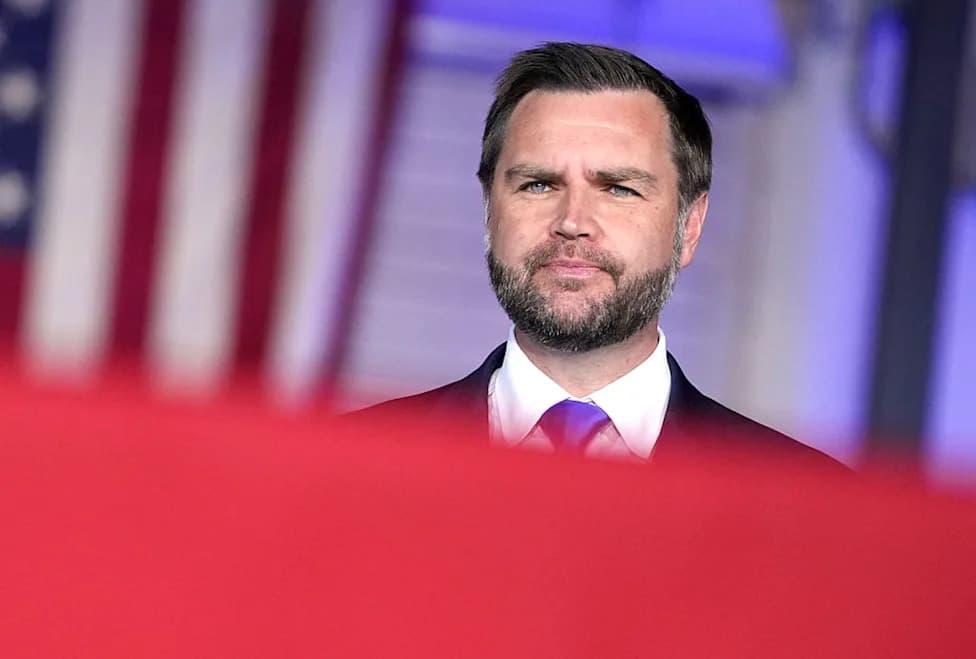
J.D. Vance told Joe Rogan that many young professionals—even well‑paid engineers—feel the traditional middle‑class life is out of reach, pointing to rising housing costs as a key factor. He blamed long‑term shifts such as offshoring and financialization for weakening broad economic opportunity and said concentrated AI wealth could deepen inequality. Vance urged policy choices to expand access to homeownership, increase worker influence over technological change, and promote competition so gains are shared more widely.
J.D. Vance: Even Highly Paid Young Engineers Doubt They Can Attain Their Parents’ Middle‑Class Life

JD Vance Says an Engineer Making 90% More Than Their Peers Still Can't Imagine Having What Parents Had, Including ‘a Nice House’
J.D. Vance told podcaster Joe Rogan that America’s economic challenges run deeper than headline wage and employment numbers: many young professionals—even those who earn far more than their peers—no longer believe they can achieve the same middle‑class lifestyle their parents had.
What Vance Said
On The Joe Rogan Experience, Vance recounted talking with a young engineer who, despite earning substantially more than most people her age, viewed homeownership and the traditional markers of middle‑class life as out of reach. Vance used the anecdote to illustrate a broader loss of confidence in the economic system.
"You're an engineer. You make way more money than 75% of people your age, maybe 90% of people your age," Vance said. "And you think that it is like this ridiculous, unachievable objective to have literally what your parents had, which is a decent job, a nice house, and a safe place."
Drivers of the Problem, According to Vance
Vance argued that several long‑term trends have eroded broad‑based opportunity: offshoring of manufacturing, the rise of a services‑and‑finance economy, and the financialization of everyday assets. He singled out rising housing costs as one of the clearest examples of how economic change has made traditional pathways to stability harder to reach.
On immigration: Vance said higher immigration has increased competition for a limited housing supply and credited tighter border policies in the past year and a half with helping to stabilize rents and prices in some markets.
AI, Wealth Distribution, and Political Risk
The conversation also turned to artificial intelligence. While Vance acknowledged that technology tends to create new jobs even as it renders some roles obsolete, he said the central issue is how the wealth generated by AI is distributed.
"The fundamental challenge of AI is it's going to unleash a lot of wealth creation," Vance said. "But if that wealth creation all goes to some segment of people, you're going to have communism. That is the choice before us."
He warned that if AI benefits concentrate among a few companies or investors, inequality could worsen and political frustration could push more people toward radical alternatives. Vance urged policies that give workers more voice in how AI reshapes work and that promote competition so gains are shared more broadly.
Why It Matters
Vance framed these dynamics—offshoring, financialization, housing scarcity, immigration pressures, and concentrated technological gains—as interconnected threats to the idea that stable middle‑class living is widely attainable. He argued that without credible paths to homeownership and economic security, political and social discontent is likely to grow.
Related Investment Platforms (Sponsored)
The original piece included sponsored listings for platforms that offer ways to diversify wealth beyond traditional stocks, including fractional real estate and other private investments. Examples cited were Arrived, Realberry, FarmTogether, Immersed, Fundrise, Mode Mobile, and EquityMultiple. These mentions are promotional and not investment advice.
Remarks attributed to J.D. Vance reflect his views as stated on the podcast and do not constitute endorsement or fact beyond those statements.
Help us improve.