Jewish students at over 10 UK universities report that antisemitism has increasingly become a routine part of campus life, forcing many to conceal visible markers of their faith. Reported campus incidents rose from 53 in 2022–23 to 272 in 2023–24, and a March 2026 Union of Jewish Students report calls for enforceable standards to investigate and sanction hate crime. Universities UK and individual institutions say they are working to improve safety, reporting and support, but students say more action is still needed.
“Antisemitism Felt Relentless”: Jewish Students Say UK Universities Have Normalised Hate
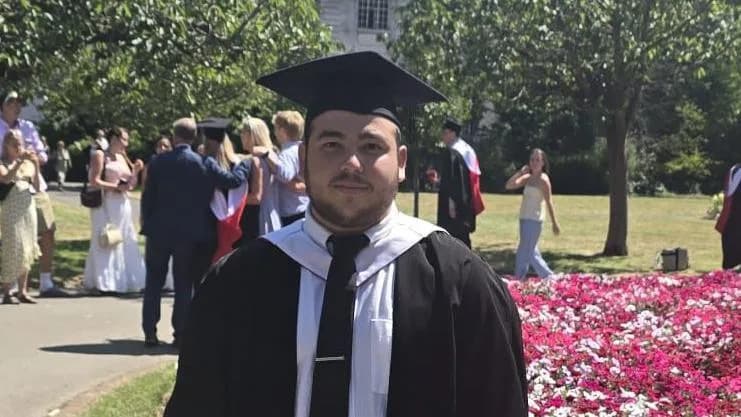
Before graduating in July 2026, Oliver served as president of Cardiff University's Jewish Society [Oliver]
Jewish students at more than 10 universities across England and Wales tell the BBC that antisemitism on campus has become routine, prompting many to hide visible signs of their identity for fear of abuse.
Students' experiences
Cardiff student Oliver, 21, described his first week at university in 2023 as "terrifying" because it coincided with the 7 October attacks that left around 1,200 people dead and hundreds taken hostage. He said Israel's subsequent military campaign in Gaza, which observers estimate has resulted in tens of thousands of Palestinian deaths, intensified tensions on campus.

Aviva says questions about her name can lead touncomfortable conversations about her religion and identity [Aviva]
"That first year was absolutely terrifying. You go home and think, 'Do I carry on? Do I try to go to the next day?'" — Oliver
Oliver stopped speaking Hebrew outside his home and hid his Star of David while on campus. Over three years, he says the abuse became "relentless": name-calling, leaflets denying Jewish history and being taunted with political epithets such as "Netanyahu." He and other students say some reports of antisemitic incidents were not handled adequately by their universities.
Examples and impact
Students recounted graffiti reading threatening slogans, swastikas daubed on walls and even on household objects at parties. In Manchester and elsewhere, students said they began "hiding their identity" after the 7 October attacks and after the Heaton Park attack in October 2025, when two Jewish people were killed near a synagogue.
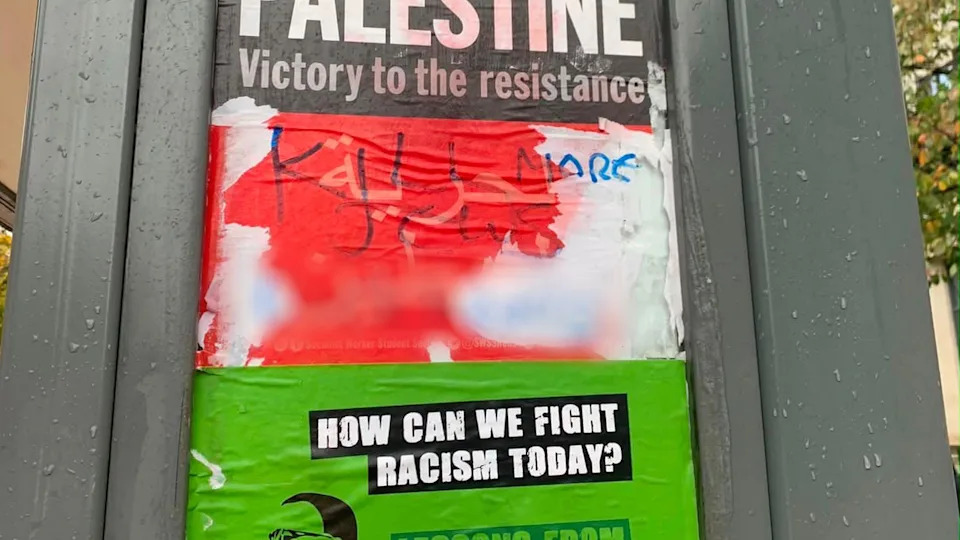
Graffiti reading 'Kill More Jews' was written on the side of a bus stop shelter outside a Manchester University campus in late 2023 [Unknown]
Institutional responses
Universities named in students' accounts said they take antisemitism seriously, enforce zero-tolerance policies, remove offensive material, investigate incidents and work with police where appropriate. Cardiff, Manchester, Swansea and Bangor universities all reiterated commitments to student safety and to working with faith and community groups to promote dialogue and understanding.
Universities UK — which represents more than 140 higher education institutions — acknowledged antisemitism is a growing challenge. Its chief executive, Vivienne Stern, said Jewish students "should be able to wear signs that they are Jewish" and celebrate Jewish life without fear.
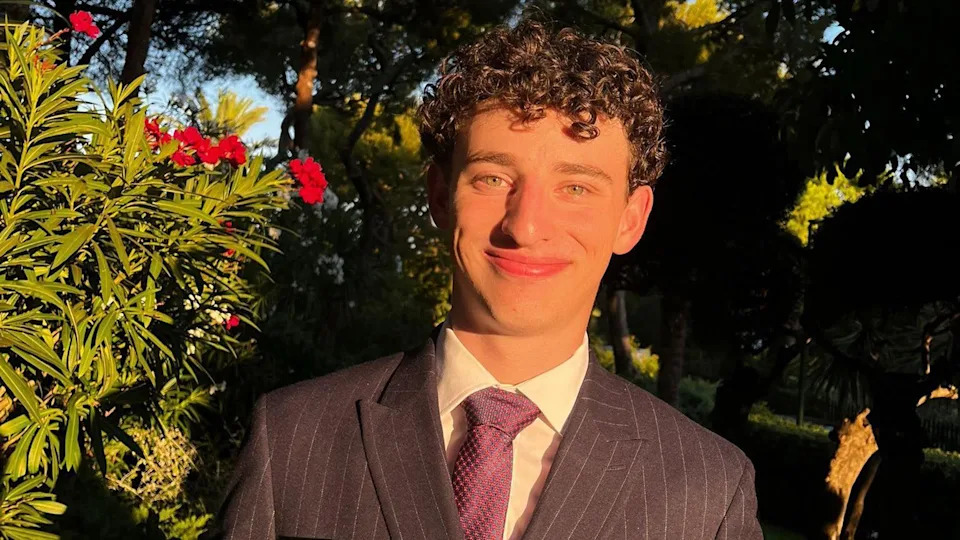
Daniel says that despite the challenges, Jewish students remain "brave and resilient" [Daniel]
Data and surveys
There are an estimated 9,000 Jewish students in the UK. The Community Security Trust recorded a rise in reported antisemitic incidents on UK campuses from 53 in the 2022–23 academic year to 272 in 2023–24 — an increase of more than 400%.
A survey of 1,000 students commissioned by the Union of Jewish Students (conducted by JL Partners in January–February 2026) found evidence of social isolation and troubling attitudes: one in four students (25%) said they did not care "very much" or "at all" whether students could be open about being Jewish.

Lloyd says he is hesitant most of the time to tell people at university he is Jewish [Lloyd]
Calls for action
A March 2026 report from the Union of Jewish Students calls for new, enforceable standards for how universities investigate and punish hate crime and for stronger protections and clearer reporting mechanisms for affected students.
Students' resilience and support
Despite these stresses, student leaders describe Jewish students as "brave and resilient." Students and universities say more action is needed to ensure campuses are safe and inclusive. If you have been affected by any of the issues in this story, support is available through the BBC's Action Line and local student wellbeing services.
Help us improve.