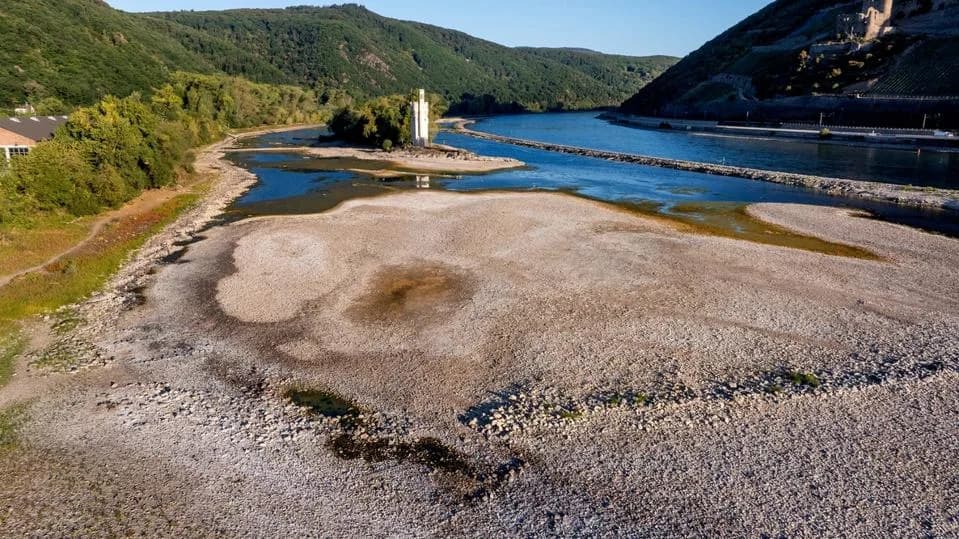
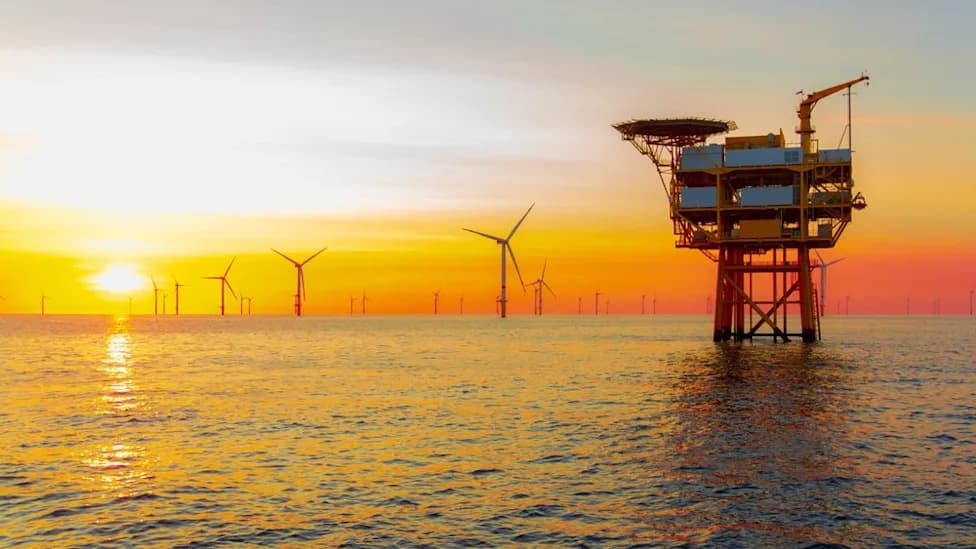
Climate change is no longer theoretical: record heat and a surge in wildfires across Europe are already harming agriculture and livelihoods. Developments such as France's jump from about 15 annual major fires to 312 in 2026 and an estimated 10 million tonnes of lost European grain underline the scale of disruption. Poorer nations are often more exposed but are also adopting renewables aggressively, while the UK suffers from political and institutional barriers that slow deployment. The author urges the Right to adopt a pragmatic, conservative case for renewables—cheaper energy, national resilience and rural preservation.
Climate Change Is Real — The Right Must Take It Seriously
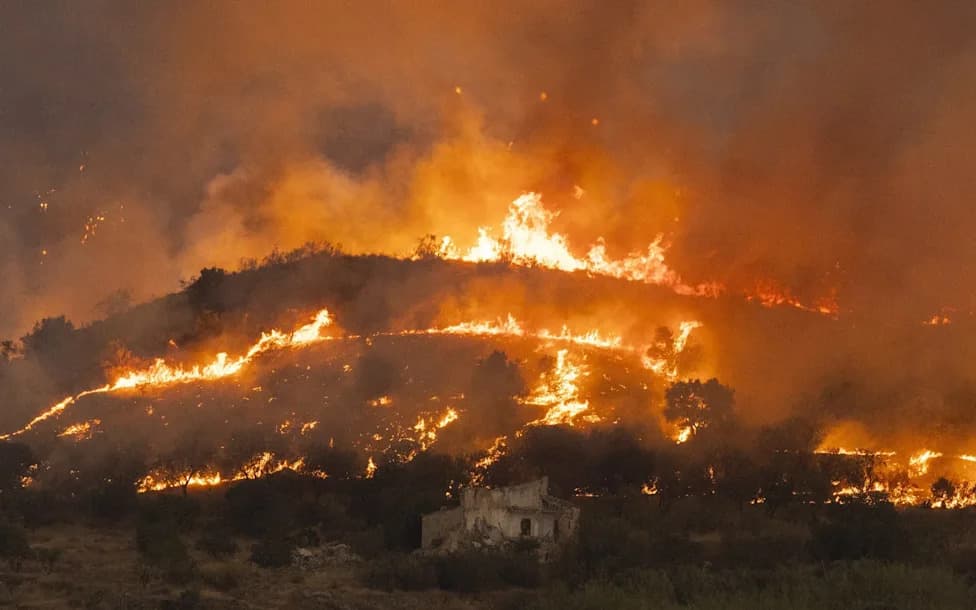
More than 300,000 people have been ordered to evacuate areas of France and Spain as wildfires approach - Pablo Blazquez Dominguez/Getty Images Europe
I have grown convinced that the Online Right is losing its way: abandoning empathy and persuasive argument, it risks talking itself into angry corners and becoming irrelevant.
The Evidence Is Now Tangible
Climate change is no longer an abstract debate; its effects are visible and disruptive. This summer’s relentless wildfires across Europe are a stark example. Some blazes are sparked by human carelessness—a dropped lighter rather than the weather—but prolonged, hotter summers desiccate soils and make every ignition far more destructive.
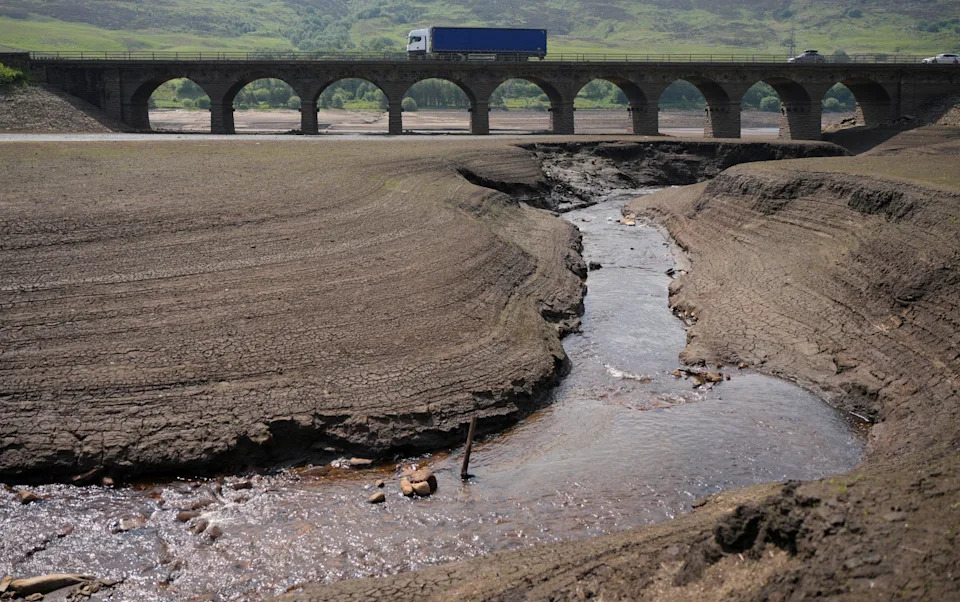
Britain is experiencing one of its driest summers on record - Christopher Furlong/Getty Images Europe
June was Western Europe’s hottest month on record. Historically France experienced roughly 15 significant fires a year; in 2026 that figure has already climbed to 312. Europe is estimated to have lost around 10 million tonnes of expected grain output last month. In the UK, farmers have endured three of the worst harvests on record in the past six years, and England received only about 3% of its typical rainfall in the first three weeks of July.
Voices From the Land
"Last year it was really dry. 2024 was really wet. There's no clear pattern other than extremes… We might as well not bother growing things and leave the farms empty," a Merseyside farmer told the BBC. He has diversified into dog-walking fields and office development—adaptations forced by changing conditions rather than choice.
How Politics Warps The Conversation
The Left has sometimes turned a concrete ecological emergency into a culture-war spectacle: moralistic messaging, rigid deadlines and reflexive rejections of technologies such as nuclear have alienated some voters. The Right responded badly in turn—romanticising fossil-fuel companies, ridiculing renewables and treating decarbonisation as a misunderstanding of human nature.
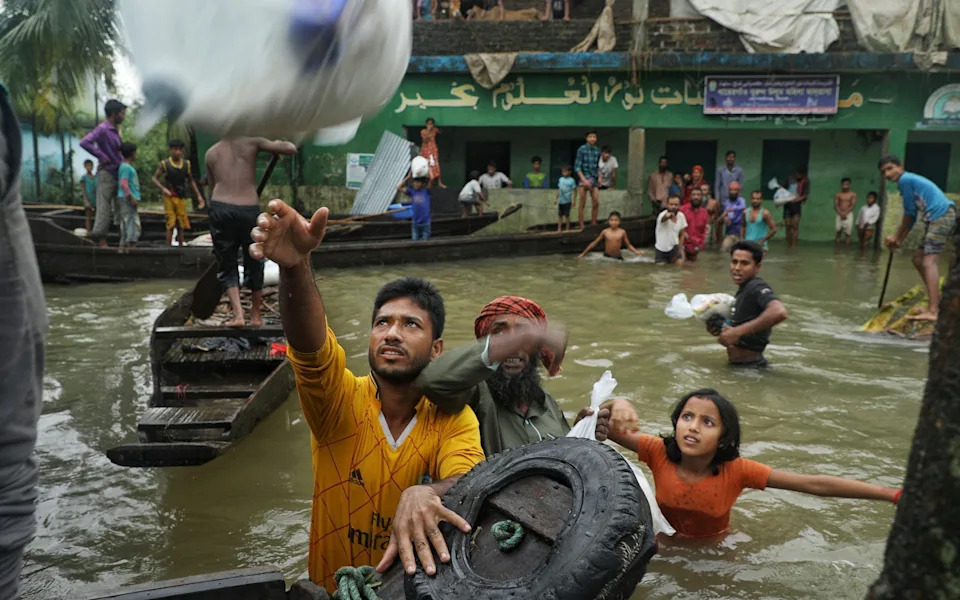
Bangladesh is expected to lose a third of its agricultural capacity to climate change by 2050 - MARUF RAHMAN/AFP
Konstantin Kisin’s 2023 speech at the Oxford Union captured a prevalent line of thinking on the Right, arguing that the planet’s future is decided elsewhere and that developing countries are indifferent. That argument is rhetorically powerful but misleading. Poorer nations are often more alarmed because they are far more exposed to climate impacts.
Global Responses And Surprising Leadership
Bangladesh provides a grim measure of vulnerability: an average of about 110,000 people are displaced there each year by natural disasters, more than half the workforce is in agriculture, and up to one-third of agricultural GDP could be lost by 2050. Yet many developing countries are acting. Kenya now generates roughly 90% of its electricity from renewable sources, driven largely by geothermal development. In Pakistan, a grassroots solar boom has seen millions of households install inexpensive panels to escape corruptly inflated utility costs.
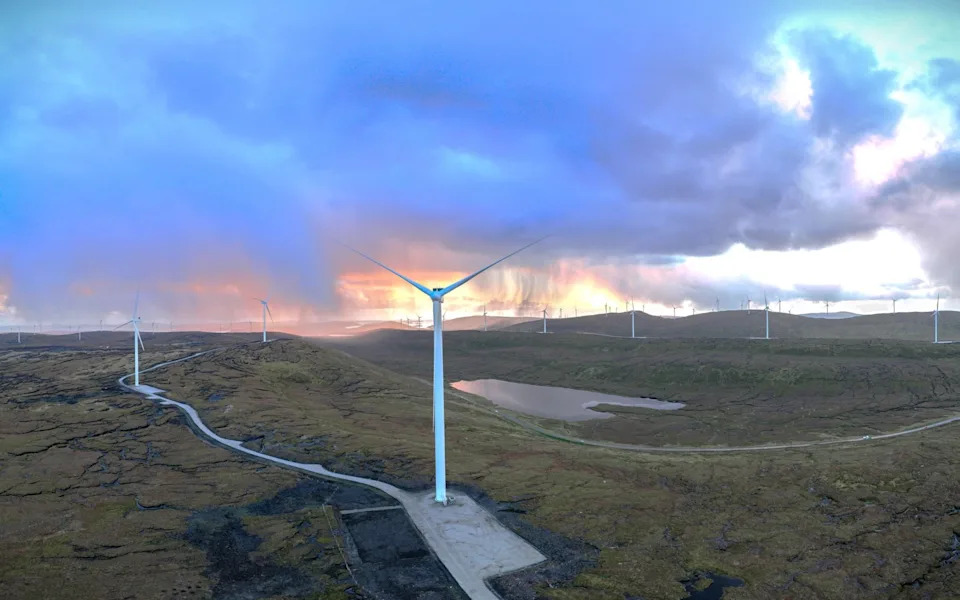
It took 17 years for the Viking Energy wind farm to get from drawing board to circuit board - SSE/PA
When some of the world’s poorest people are adopting renewables, the UK’s reluctance to scale up clean generation on cost grounds looks increasingly unreasonable. In many towns there are more private swimming pools than rooftop solar panels.
The UK’s Bottleneck: Politics, Not Technology
The government aims to add 70 gigawatts of wind and solar capacity within six years; so far it has delivered roughly 6 GW. The barrier is not the technology or public demand but a chronic unwillingness and institutional weakness when it comes to building. The Viking Energy wind farm in the Shetlands illustrates the problem: agreed in 2007, constructed in stages after planning disputes, and only producing electricity by 2024—effectively a 17-year journey from agreement to meaningful output.

National pride, as well as national security, should be a reason for reducing the UK's dependency on the whims of foreign dictators - GAVRIIL GRIGOROV/AFP
I sympathise with concerns about onshore turbines and the need to protect landscapes. But the broader failure to enable strategic infrastructure—whether for energy, transport or border control—reflects a timid state that prioritises short-term comforts over long-term national resilience.
A Conservative Case For Renewables
There are clear conservative benefits to accelerating renewables: lower and more stable prices, economic resilience and reduced strategic dependence on unstable or hostile regimes. I do not call for ideological, one-size-fits-all decarbonisation: oil and gas will remain part of the energy mix during the transition. But clinging to fossil-fuel absolutism in the face of practical alternatives looks increasingly un-conservative—wasteful rather than frugal, atomising rather than community-minded.
Benjamin Disraeli’s concern about industrialisation and his later public-health reforms offer a constructive precedent: conservatives can marry respect for tradition with pragmatic stewardship of the environment.
Practical Next Steps
At minimum, sceptics should use common sense: look out the window and acknowledge changing summers, parched fields and disruptive weather. The most politically effective conservative approach is pragmatic: enable quicker permitting for clean infrastructure, invest in a modern grid, and promote local initiatives—solar on roofs, community energy projects and targeted support for farmers adapting to new climates.
Integrating environmental stewardship into cultural life—an Arcadian blend of tradition and practical conservation—offers the best hope of preserving rural communities, national pride and economic stability.
Help us improve.