The Royal United Hospital in Bath has administered its first course of Stereotactic Ablative Radiotherapy (SABR) for prostate cancer, cutting a typical radiotherapy programme from about 20 sessions to five over two weeks. Derek Chase, 73, praised the convenience and personalised care despite experiencing fatigue as a side effect. NHS England estimates around 17,500 men with low or intermediate-risk prostate cancer in England could be eligible, and all 48 radiotherapy centres are expected to offer SABR soon. Trials are under way to test the technique for high-risk patients.
New High-Precision Radiotherapy Cuts Prostate Cancer Course From 20 Sessions To Five
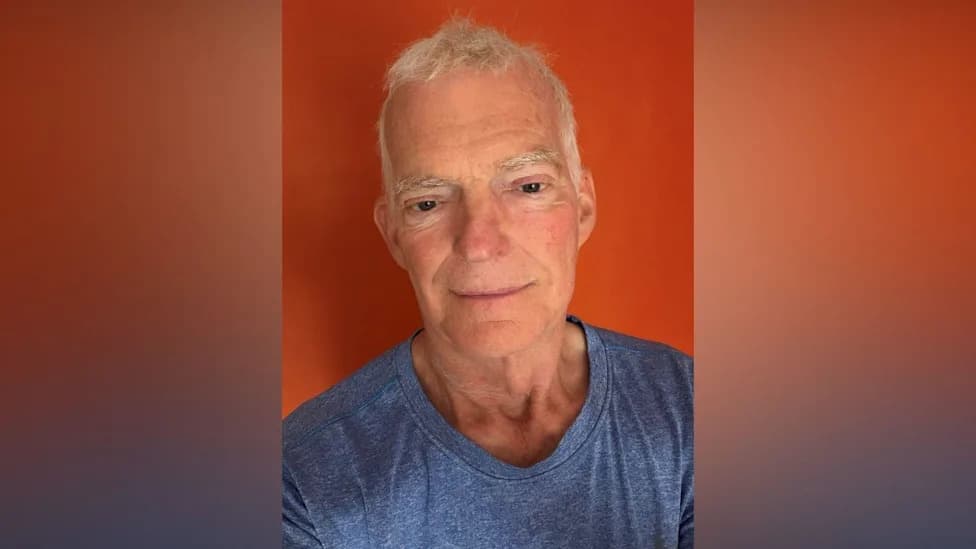
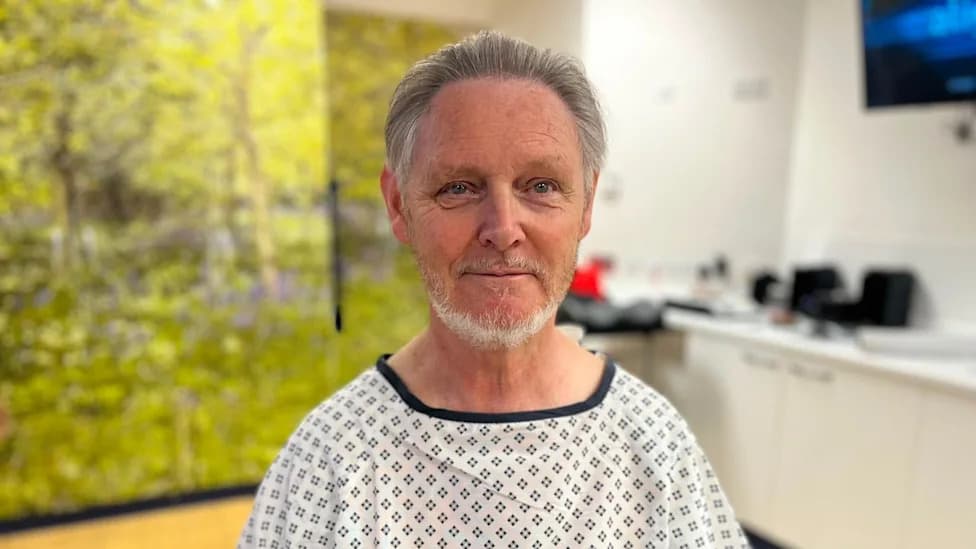
Derek Chase had just five doses of radiotherapy over two weeks, instead of the usual 20 doses [Royal United Hospitals Bath NHS Foundation Trust.]
The Royal United Hospital (RUH) in Bath has treated its first prostate cancer patient with Stereotactic Ablative Radiotherapy (SABR), a high-precision technique that reduces a standard course of radiotherapy from about 20 sessions to just five doses delivered over two weeks.
What Is SABR?
SABR uses advanced imaging and very focused radiation beams to target the prostate with pinpoint accuracy, limiting exposure to surrounding healthy tissue. The method has been used previously for selected lung and brain cancers and is now being offered more widely for low and intermediate-risk prostate cancer.
Patient Experience
Derek Chase, 73, a retired GP from Calne, Wiltshire, was the RUH's first SABR patient. He described the care as "the NHS at its best" and praised the convenience of the shorter course. Chase completed his five-dose treatment in June and said the regimen was "so much more convenient, not just for patients but their loved ones too." He added that he experienced some side effects, including profound fatigue, but is feeling better and optimistic about the future.
"I've got follow-up appointments to come at the RUH, where they'll keep an eye on me, and I'm feeling positive," Chase said.
Rollout, Eligibility And Impact
NHS England estimates around 17,500 men in England diagnosed each year with low or intermediate-risk prostate cancer could be eligible for SABR — roughly a third of the approximately 55,000 prostate cancer diagnoses annually. NHS England announced in June that it expected all 48 radiotherapy centres across the country to start offering the technique "within weeks," aiming to make the shorter course widely available.
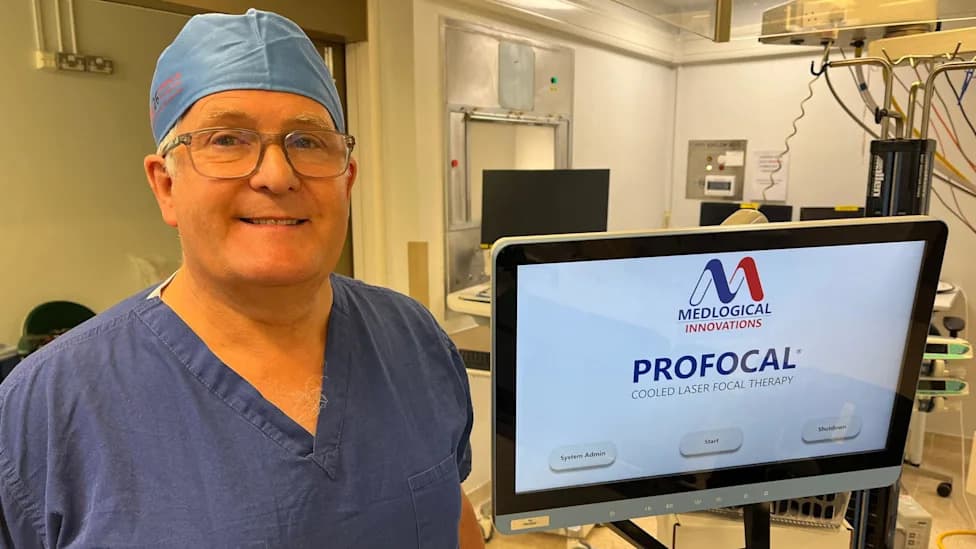
Sian Smith, a consultant radiographer at the RUH, said the shorter regimen "allows us to provide the same high standard of clinical care over a much shorter course, thereby reducing the number of hospital visits for our patients and their loved ones." She also noted that broader use of SABR could free up appointment slots and reduce waiting times for other patients.
However, not everyone is suitable for SABR. Patients should discuss eligibility with their treatment team and continue regular follow-up appointments to monitor recovery and outcomes.
Research And Next Steps
Clinical trials are already underway to determine whether SABR can be safely and effectively extended to men with high-risk prostate cancer. As the technique is rolled out nationally, clinicians will continue to collect data on outcomes and side effects to guide future recommendations.
Key takeaways: SABR shortens treatment time, uses advanced imaging to reduce side effects, is being rolled out across NHS radiotherapy centres, and remains subject to eligibility criteria and ongoing research.
Help us improve.