Former Hong Kong lawmaker Wu Chi-wai reunited with his wife and son in London after more than five years in prison, but his stay may be cut short after border officials granted him a seven-day immigration bail. Wu was among 47 activists charged under the 2020 national security law and was sentenced in 2024 to four years and five months for conspiracy to commit subversion. He denies seeking asylum and says his goal is family reunification, while warning others could face similar immigration hurdles. The case underscores broader political changes in Hong Kong and the personal toll on activists and their families.
London Reunion in Jeopardy: Hong Kong Activist Wu Chi-wai Faces Swift Return Under Seven-Day Bail
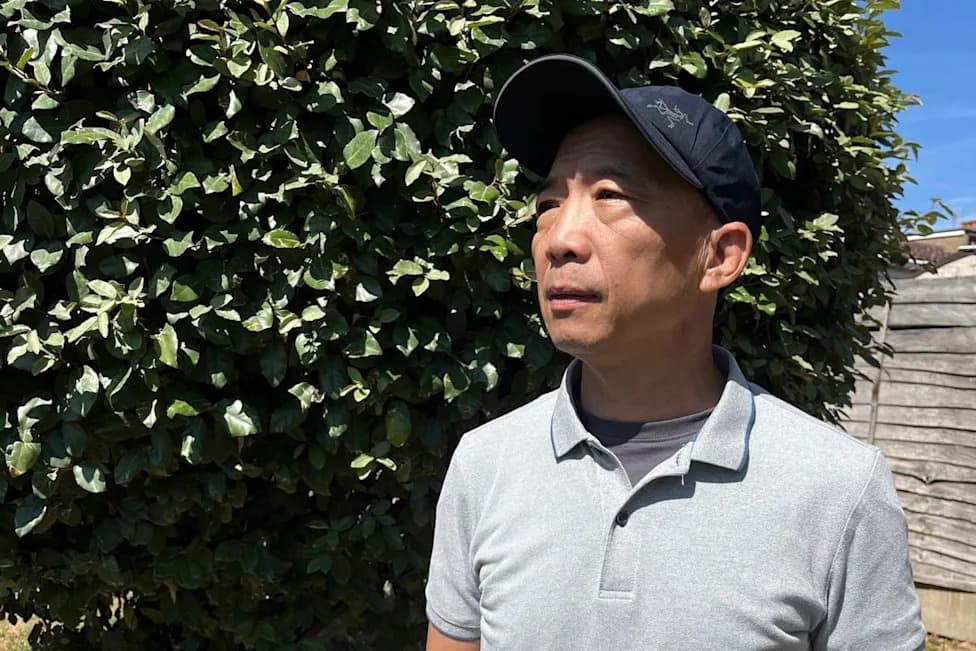
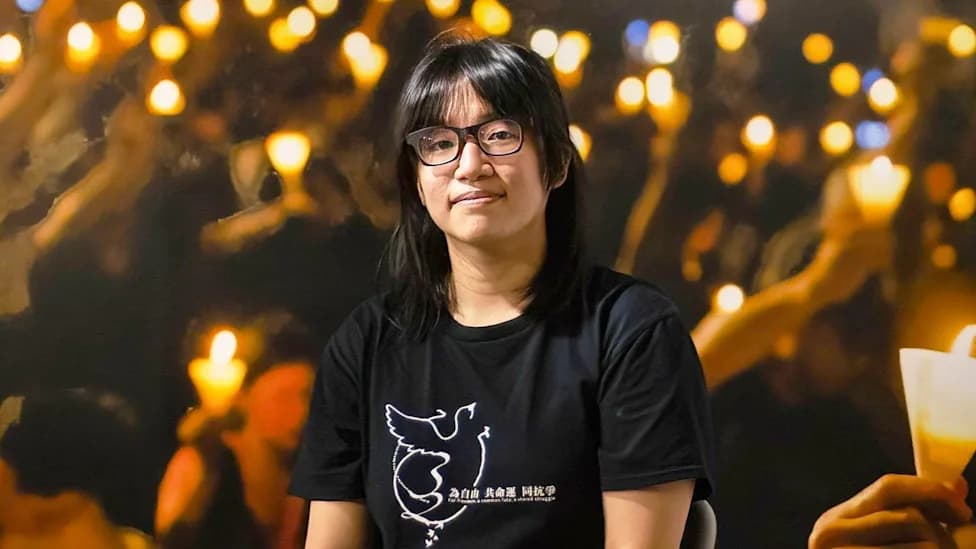
This photo released by Hong Kong's former pro-democracy lawmaker Wu Chi-wai show's himself posing for a portrait in London, Saturday, July 25, 2026. (Wu Chi-wai via AP)(Wu Chi-wai via AP)
After more than five years behind bars in Hong Kong, former pro-democracy lawmaker Wu Chi-wai was reunited with his wife and son in London last week. The emotional reunion, however, may be cut short: border authorities granted Wu a seven-day immigration bail, meaning he could be removed from the U.K. within days.
Entry Into the U.K. and Immigration Concerns
Wu, who once chaired Hong Kong’s largest opposition party, was among 47 activists charged in 2021 under the Beijing-imposed national security law. He was sentenced in 2024 to four years and five months for conspiracy to commit subversion related to an unofficial primary election.
Worried that his criminal record might complicate travel, Wu contacted the British consulate in Hong Kong before leaving. After landing in London last Wednesday, border officials questioned whether he intended to seek long-term residency. He was eventually allowed to enter on a seven-day immigration bail, which he says means he will be removed from the U.K. on Wednesday—shortening plans for months of family time together.
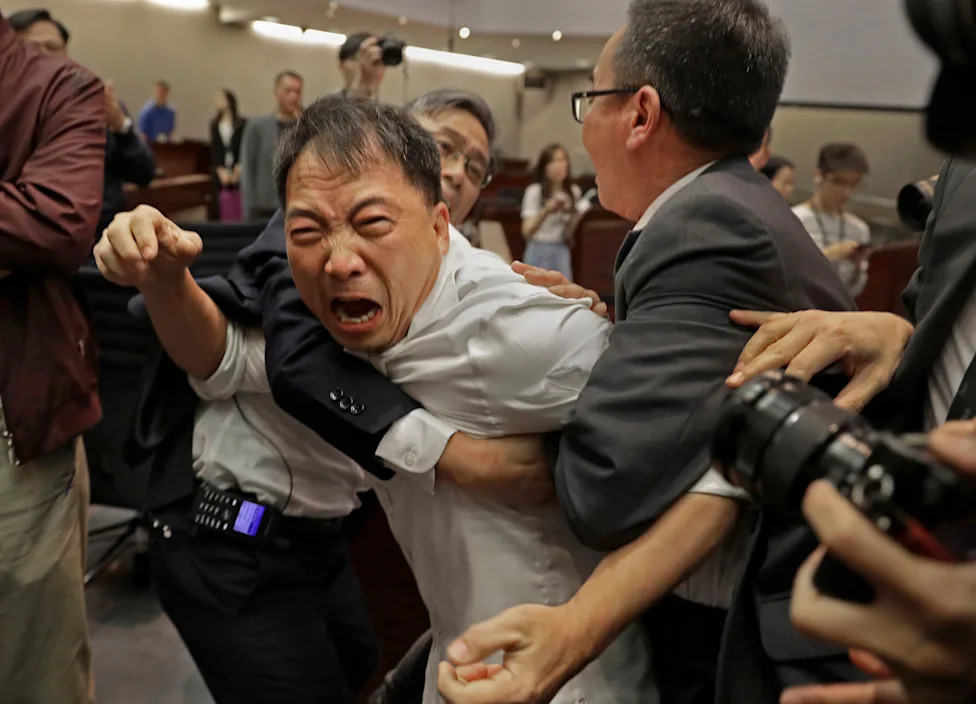
FILE - Pro-democracy lawmaker Wu Chi-wai scuffles with security guards at the Legislative Council in Hong Kong, May 11, 2019, (AP Photo/Vincent Yu, File)(AP Photo/Vincent Yu)
"I very worry about whether I have the ability or a chance to secure a re-entrance to the U.K. to meet with my family again," Wu told The Associated Press.
Wu denied he was seeking asylum and said his long-term goal is family reunification in the U.K. He expressed concern that other Hong Kongers could face similar border challenges. He also said his return ticket—originally booked for November—has been changed to Wednesday without his consent; neither the Home Office nor the airline immediately commented.
Political Context
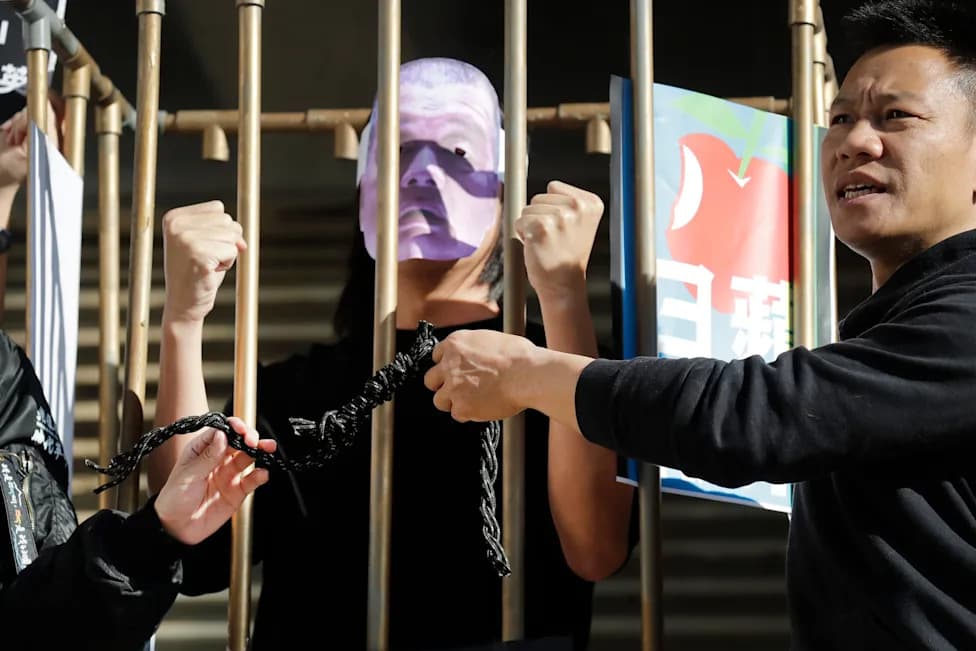
The 2020 national security law brought dramatic changes to Hong Kong’s political landscape. The legislature Wu once served is now dominated by Beijing loyalists after an electoral overhaul. Media outlets including the pro-democracy Apple Daily were forced to close; its founder, Jimmy Lai, is serving a 20-year sentence under the same law. The Democratic Party that Wu once led has disbanded, along with dozens of other civil society groups.
The U.K. reports more than 230,000 Hong Kong residents have taken up a special visa allowing them to live and work in Britain and to apply for permanent residence after five years; over 9,800 have been granted settlement so far.
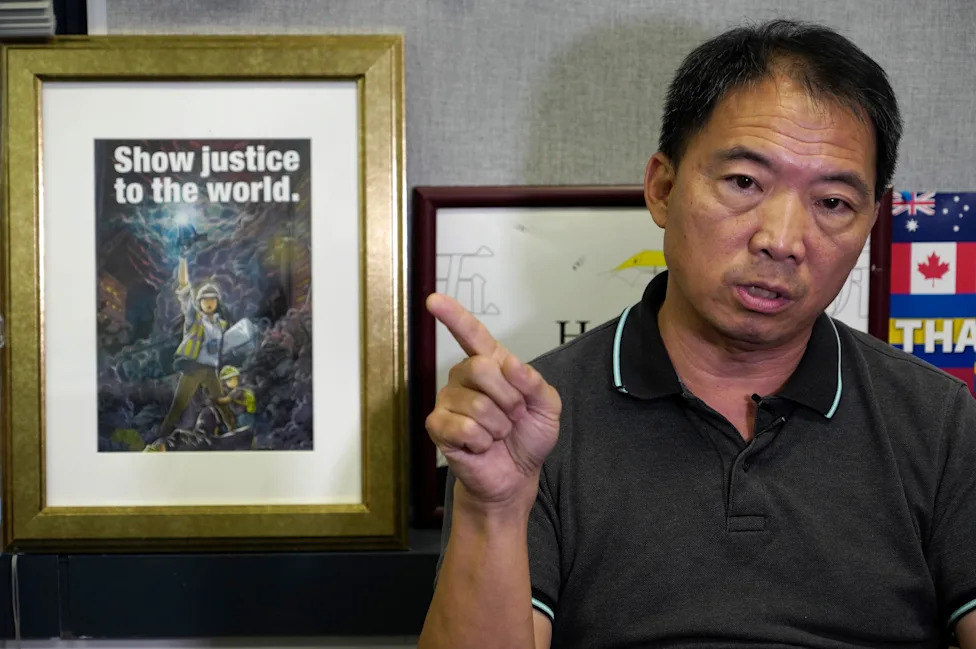
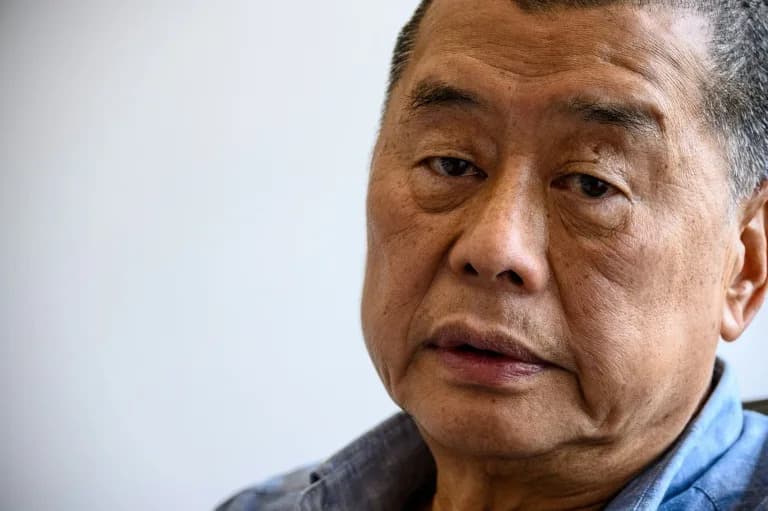
FILE - Pro-democracy lawmaker Wu Chi-wai gives an interview at his office in Legislative Council in Hong Kong on Nov. 19, 2020. (AP Photo/Vincent Yu, File)(AP Photo/Vincent Yu)
Personal Toll and Plans
Wu described the personal cost of his imprisonment: both of his parents died while he was incarcerated and he was only permitted brief visits to their funerals. While his wife and son moved to the U.K. in 2022, Wu said he was allowed only a 10-minute phone call with them each month, and postal correspondence could take weeks.
"If at such a moment you are unable to see your parents off for the last time, the psychological blow is actually significant," he said.
Wu told reporters he no longer plans to engage in political activity. "Start afresh and cherish the time I have to reunite with my family," he said. "I feel this is my most important task in the near future."
What Comes Next
Wu hopes the Home Office will reconsider his immigration status and extend his stay to allow a longer family reunion. The Home Office has said it does not routinely comment on individual cases but that the government remains committed to supporting Hong Kongers in the U.K.
Help us improve.