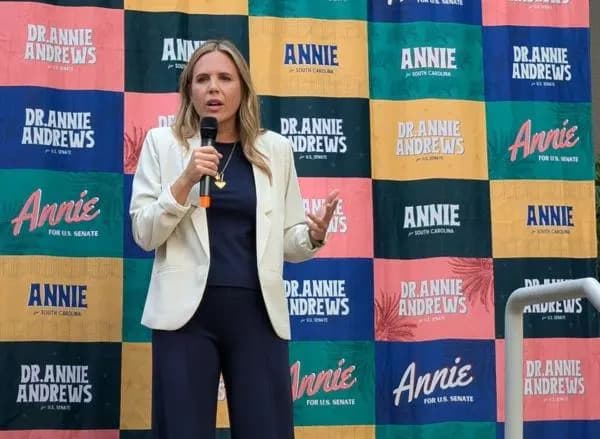
Darline Graham was appointed to fill her late brother Lindsey Graham’s U.S. Senate seat and will run for a full six-year term in November with backing from former President Donald Trump. Governors are permitted under the 17th Amendment to make temporary Senate appointments, but only about a dozen relatives have been named since 1913, making such successions rare. Supporters cite name recognition and continuity; critics call the practice nepotistic and undemocratic. A special primary to determine the November ballot is scheduled for August 11.
Darline Graham Tapped For Lindsey Graham’s Senate Seat — A Rare, Contentious Tradition Returns
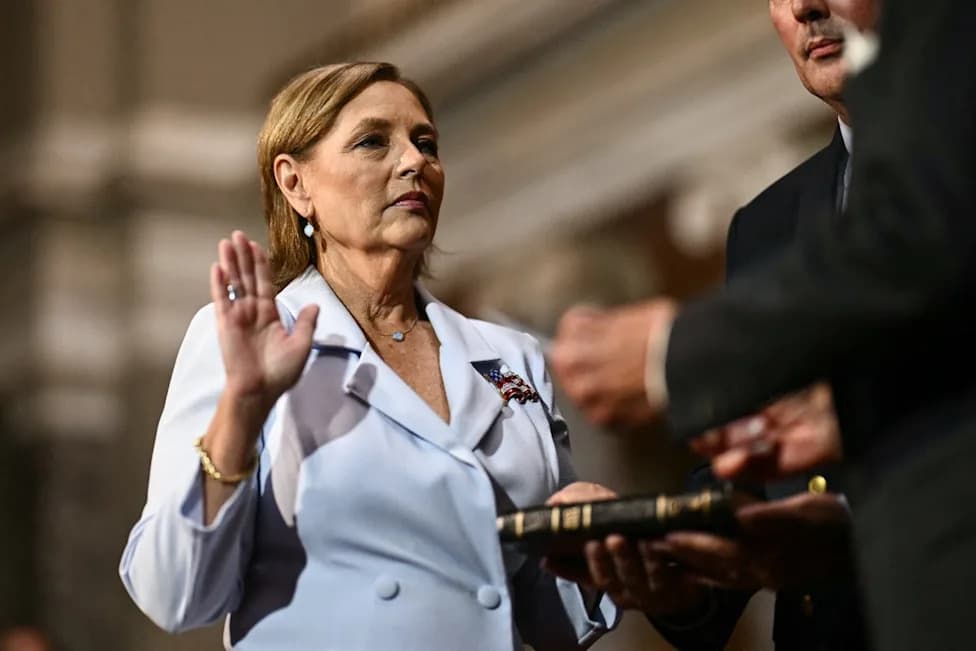
Lindsey Graham’s death revives a rare and controversial custom: Keeping a Senate seat in the family
South Carolina Governor Henry McMaster has appointed Darline Graham to fill the U.S. Senate seat left vacant by the sudden death of her brother, Senator Lindsey Graham. Darline Graham, a former head of the South Carolina Commission for the Blind, will serve the remainder of the term and has announced she will run for a full six-year term in November with public backing from former President Donald Trump.
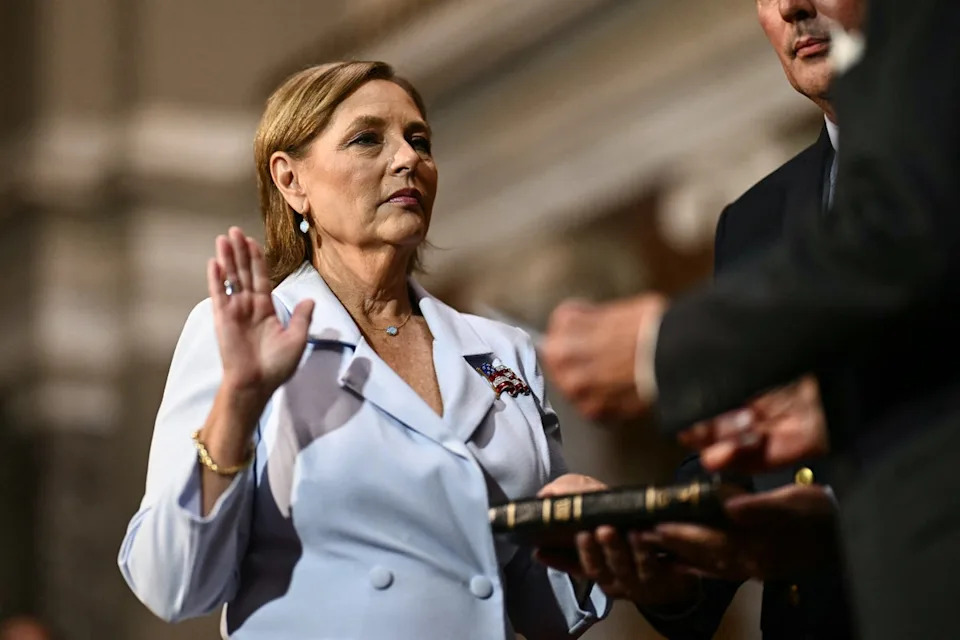
Darline Graham, sister of Lindsey Graham, is ceremonially sworn in as a U.S. Senator on July 14 to fill his seat, following his sudden death (AFP via Getty Images)
A Rare But Historic Practice
Under the 17th Amendment, ratified in 1913, state laws may allow governors to make temporary Senate appointments until a successor is elected. That option has produced only a small number of family successions: an analysis of Senate records shows roughly a dozen vacancies have been filled by relatives since 1913, most often widows stepping in after a spouse's death.
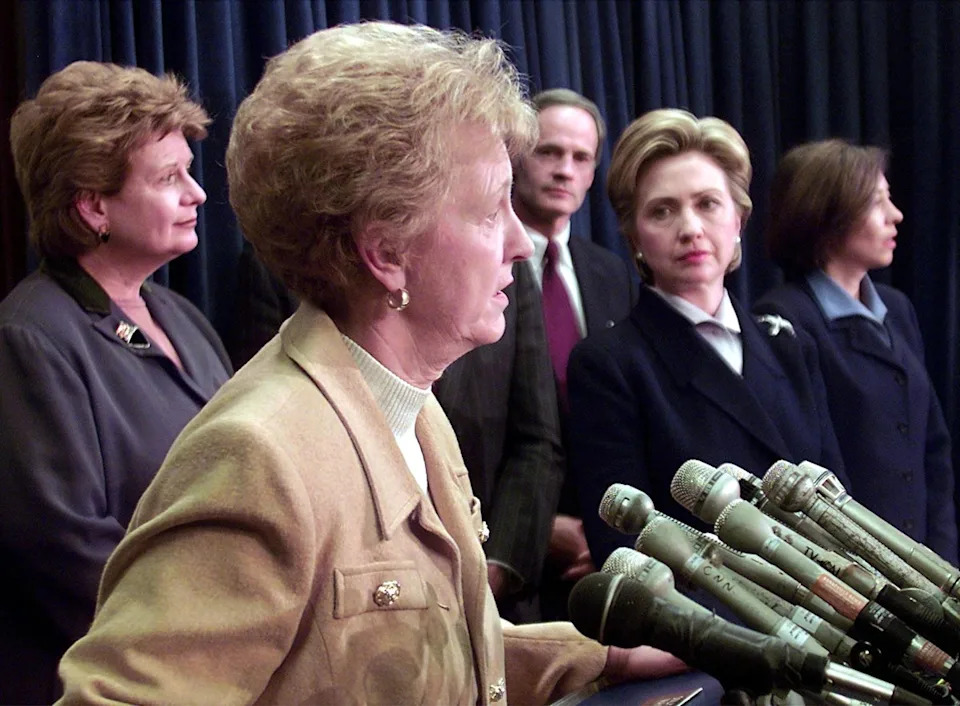
In 2000, Jean Carnahan was appointed to replace her husband, Mel Carnahan, who died in a plane crash shortly before the election in which he was posthumously elected. Pictured: US Senator-elect Jean Carnahan, Democrat of Missouri, speaks to the press in December 2000 (AFP via Getty Images)
Notable Precedents
There are several high-profile examples. In 1931, Hattie Caraway was appointed after the death of her husband and later won full terms, becoming the first woman elected to the Senate. Jean Carnahan was appointed in 2000 after her husband, Mel Carnahan, died in a plane crash and was posthumously elected. In 2002, Alaska Governor Frank Murkowski appointed his daughter Lisa to his former Senate seat — a move that provoked charges of nepotism even as she subsequently won multiple elections.
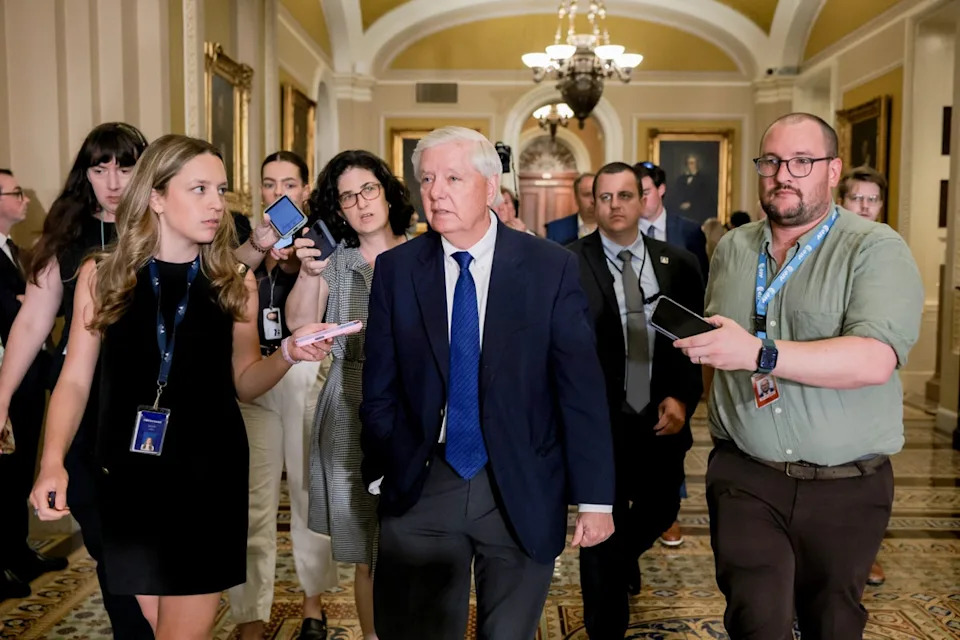
Lindsey Graham, one of the most influential GOP senators, died suddenly on July 14. A medical examiner said the cause of death was an aortic rupture caused by hardened arteries (Getty Images)
Why Governors Sometimes Choose Relatives
Political scientists point to pragmatic reasons for such appointments. Relatives often carry strong name recognition, are familiar to staffers and donors, and can provide continuity after a disruptive loss. Sympathy and the appearance of unity can reduce the political costs of a contested primary, enabling a quicker transition to functioning representation.
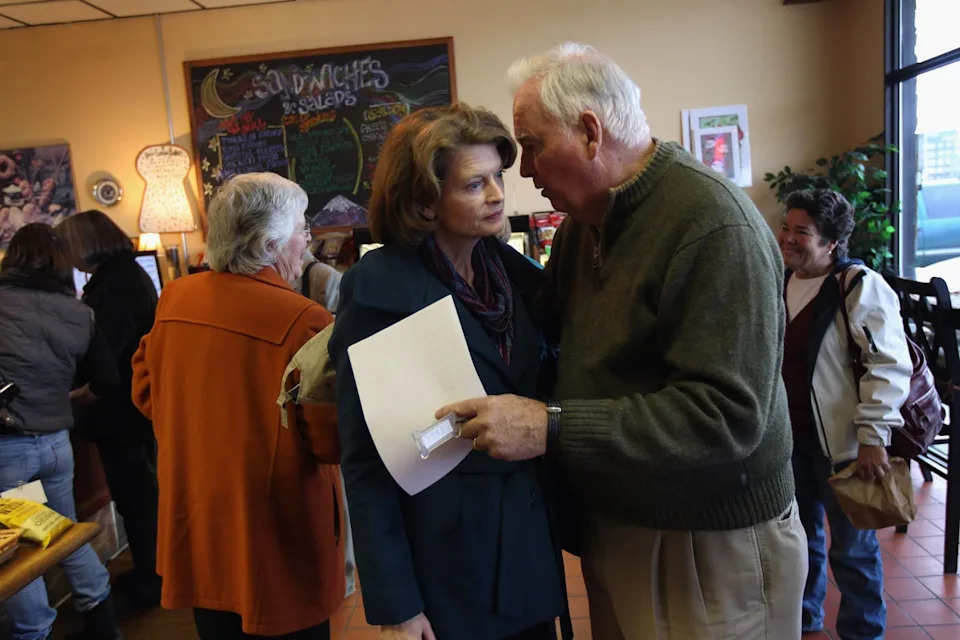
Until now, the most recent example of a Senate vacancy filled by a relative was Senator Lisa Murkowski, an Alaska Republican. Pictured: Lisa Murkowski speaks with her father Former Alaska Senator and Governor Frank Murkowski in 2010 (Getty Images)
"They often make handy substitutes because they are objects of sympathy and can serve as consensus figures," said Gregory Koger, a political scientist at the University of Miami.
Criticism: Nepotism and Democratic Concerns
Critics argue the practice can feel undemocratic and reinforce the perception of politics as a family business. Rob Richie, founder of the advocacy group Expand Democracy, described the pattern as a throwback to hereditary power structures that many Americans have historically resisted.

From the earliest days of the republic, America has embraced the concept of politics as a family business. Pictured: Former president George W. Bush, left, wheels his father, former president George H.W. Bush into the church for the funeral for former first lady Barbara Bush in 2018 (Getty Images)
There are practical risks as well: appointees may lack the legislative experience or influence of their predecessors, or they may hold different priorities. Observers also point to abuses of the appointment system — most infamously the corruption case involving former Illinois Governor Rod Blagojevich — as reasons some states have tightened rules about interim appointments. In 2024, Kentucky's legislature moved to require special elections rather than allow gubernatorial appointments.

Last month, Jack Schlossberg — the grandson of John F. Kennedy — captured just 10 percent of the vote in a Democratic primary for a House seat in New York City (AFP via Getty Images)
What Comes Next
Darline Graham's special primary is scheduled for August 11; the outcome will test how much electoral weight a well-known surname still carries. Lindsey Graham's death was ruled by a medical examiner to be the result of an aortic rupture caused by hardened arteries. His funeral at the National Cathedral is expected to draw national and international figures, with former President Trump slated to deliver remarks.
The episode highlights a continuing tension in American politics between expedient continuity and democratic ideals — and raises fresh questions about how states should balance those competing values when filling Senate vacancies.
Help us improve.