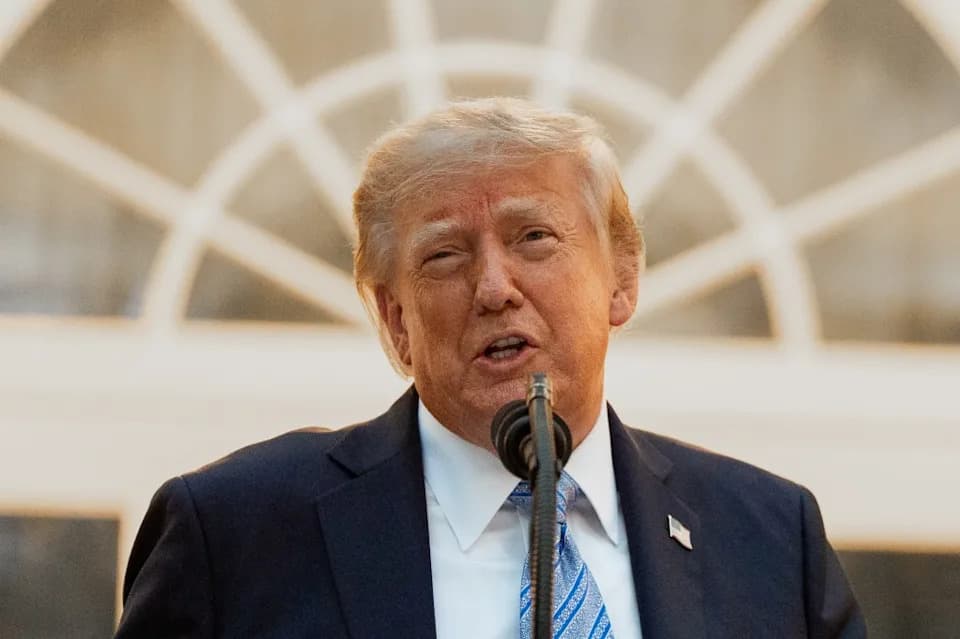
A viral Instagram Reel claims President Donald Trump signed an order affecting roughly 3 million acres of Utah national monuments, including major reductions at Grand Staircase–Escalante and Bears Ears. The post and commenters warned the changes could open sacred and ecologically sensitive areas to oil, coal and uranium extraction, artifact looting and reduced public access. Viewers were urged to contact lawmakers, monitor public-comment periods, support tribal and conservation groups, and practice Leave No Trace when visiting fragile sites.
Viral Reel Says Trump Order Removed About 3 Million Protected Acres In Utah, Opening Bears Ears To Mining
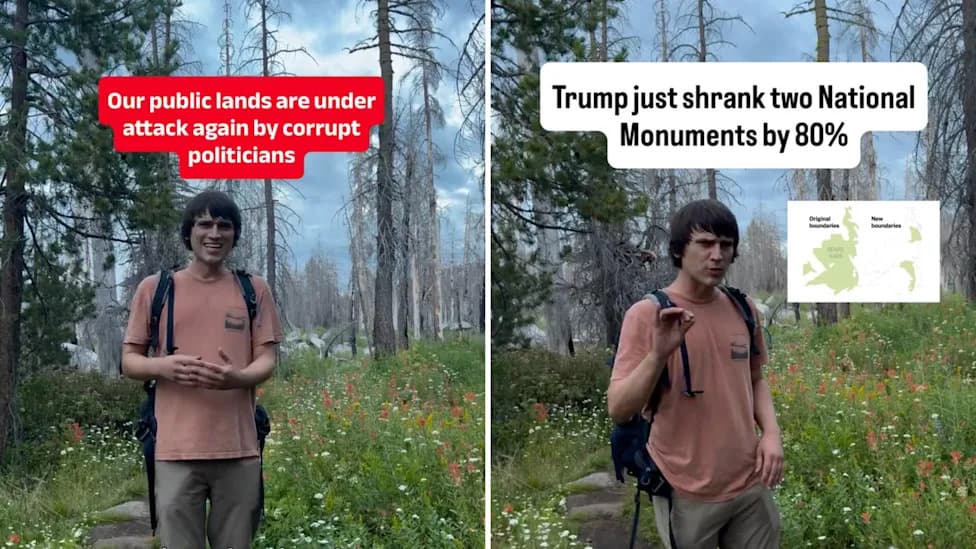
Photo Credit: Instagram
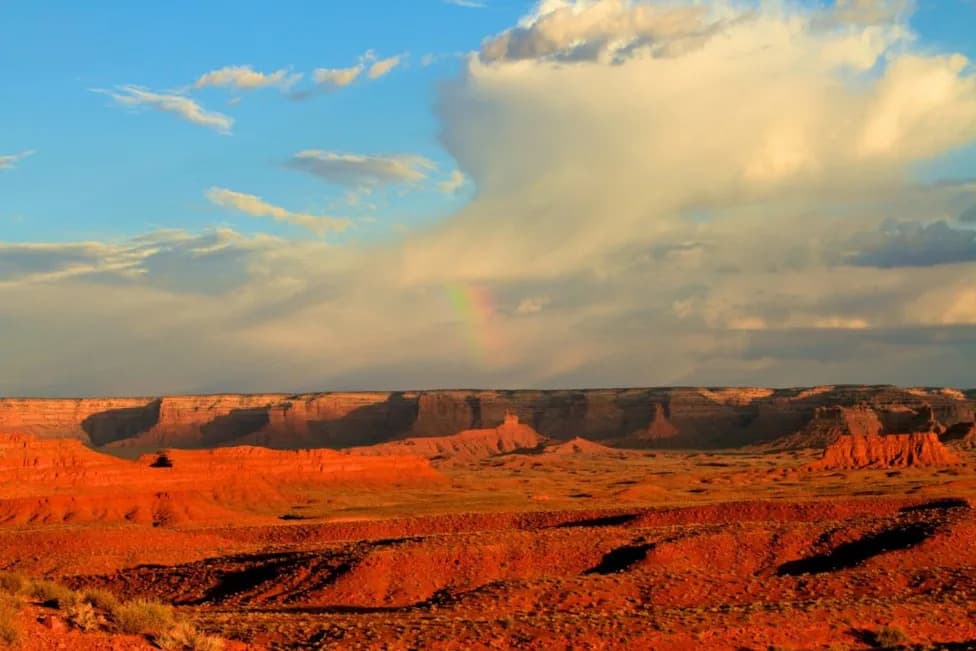
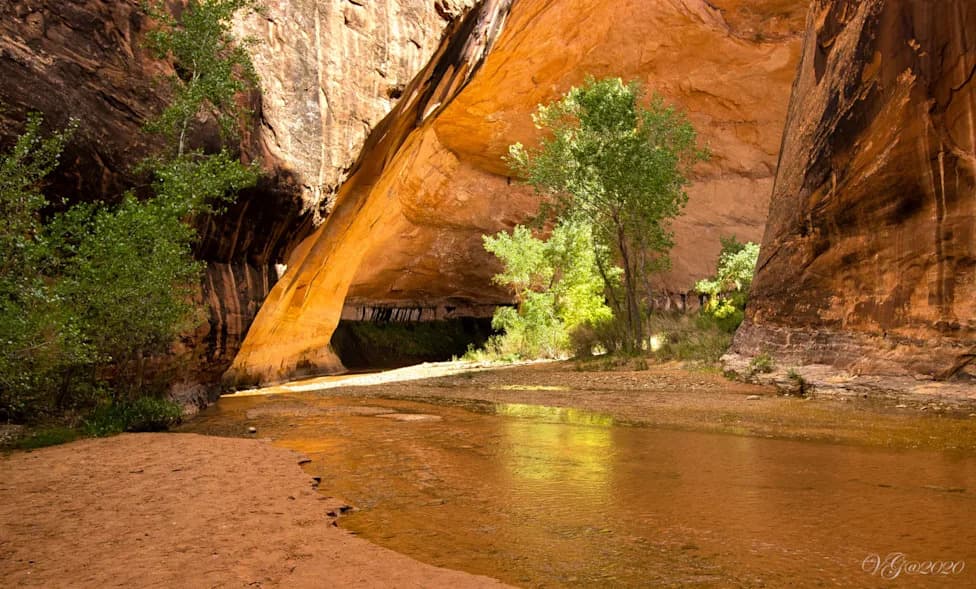
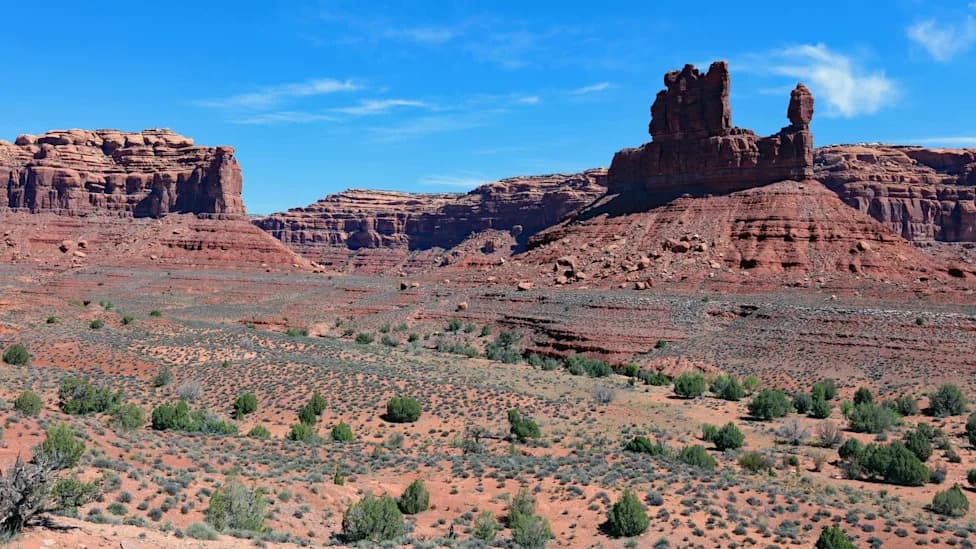
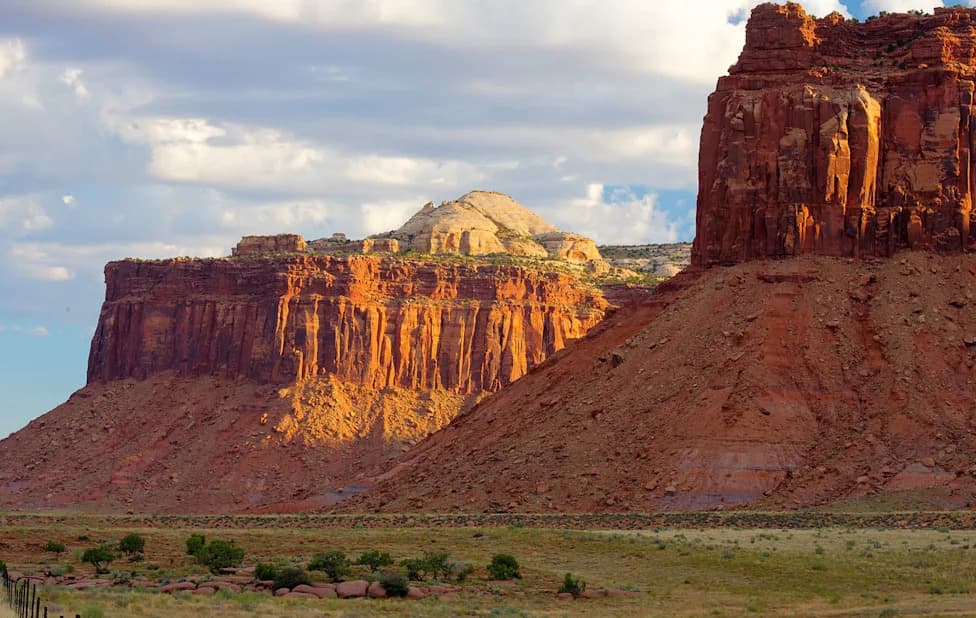
Millions of acres of federally protected land in Utah have fueled online outrage after a viral Instagram Reel warned that monument safeguards were rolled back for Bears Ears and Grand Staircase–Escalante.
What The Reel Claims
In the widely shared clip, creator Jessie Dickson (@sacramentofoodforest) says President Donald Trump signed an executive order affecting roughly 3 million acres that had been managed as national monuments. The post singles out U.S. Sen. Mike Lee and frames the change as part of a broader rollback of public-land protections.
"Both places are sacred to Native Americans and biodiversity hotspots," Dickson says in the video.
Why People Are Worried
Viewers’ concerns extend beyond boundaries on a map. The Reel warns that removing monument status could open parts of Grand Staircase–Escalante and Bears Ears to oil development, coal and uranium mining, and the looting of Native artifacts. The post claims Grand Staircase–Escalante lost about 90% of its protected acreage and that Bears Ears was reduced by more than 1.7 million acres.
National monuments are often designated to protect cultural, scientific and ecological resources. Many of the lands at issue are connected to Native communities, support wildlife habitat and host seasonal wildflower displays. Opening them to extractive industries can increase pollution risks, disturb fragile ecosystems and jeopardize cultural sites.
Public Access And Local Economies
Public land provides affordable recreation—hiking, camping, hunting and fishing—for many families. If acreage is redirected toward industrial uses or privatized, those low-cost opportunities can shrink. Towns that depend on tourism and outdoor recreation may also face job losses and declines for small businesses that rely on visitors.
What People Can Do
Commenters on the Reel asked how to respond. Practical steps include contacting U.S. senators and representatives, monitoring public-comment opportunities, and following tribal nations, local advocates and conservation groups that track monument policy and land-use decisions.
Advocates also suggest supporting organizations that defend public access, learning about the cultural significance of sites before visiting them, and following Leave No Trace practices to avoid further stressing fragile places.
"It's insane that they're talking about mining coal on the Kaiparowits Plateau when Utah's existing mines are operating at half capacity in a private equity death spiral," one commenter wrote, highlighting the economic debate over new extraction.
In her Reel, Dickson sums up the stakes: "The one thing that truly makes America great is the land we can afford to recreate on, our public land. The land you own and the land I own." Whether you agree with the characterization or not, the discussion centers on the balance between conservation, cultural protection and resource development.
Help us improve.