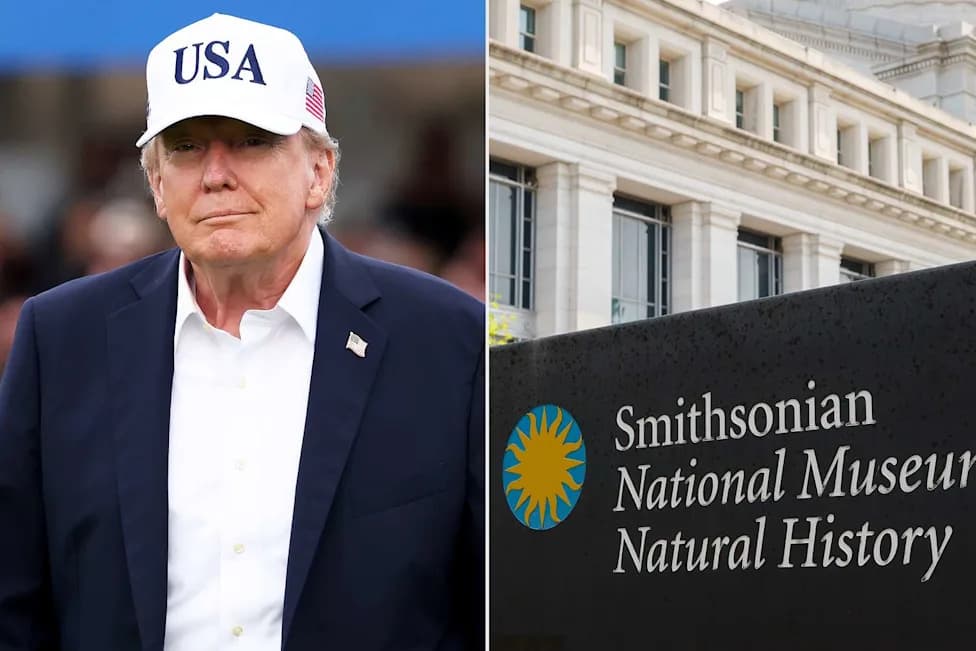
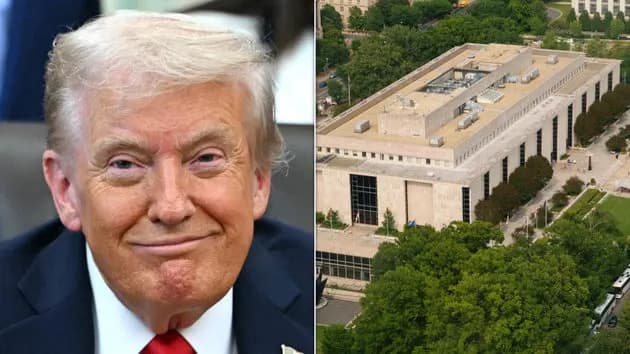
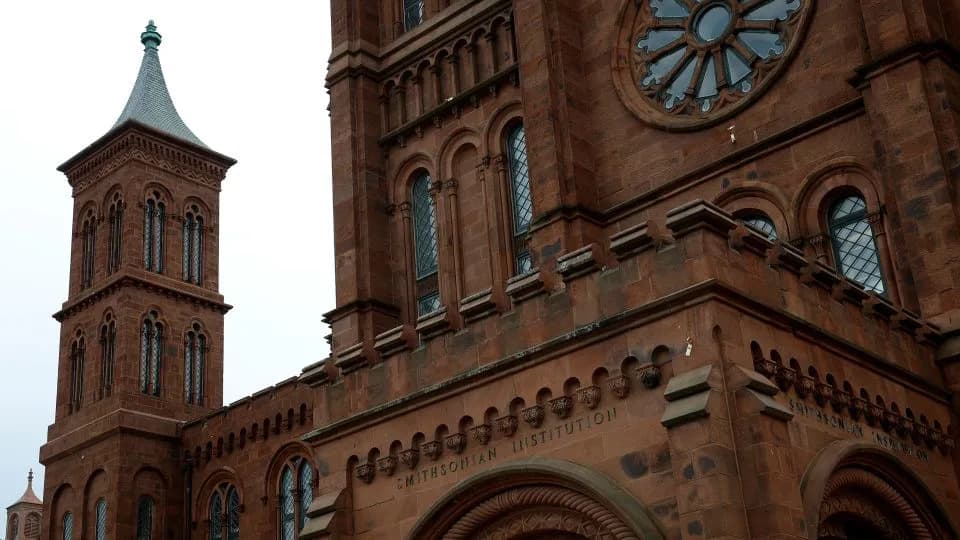
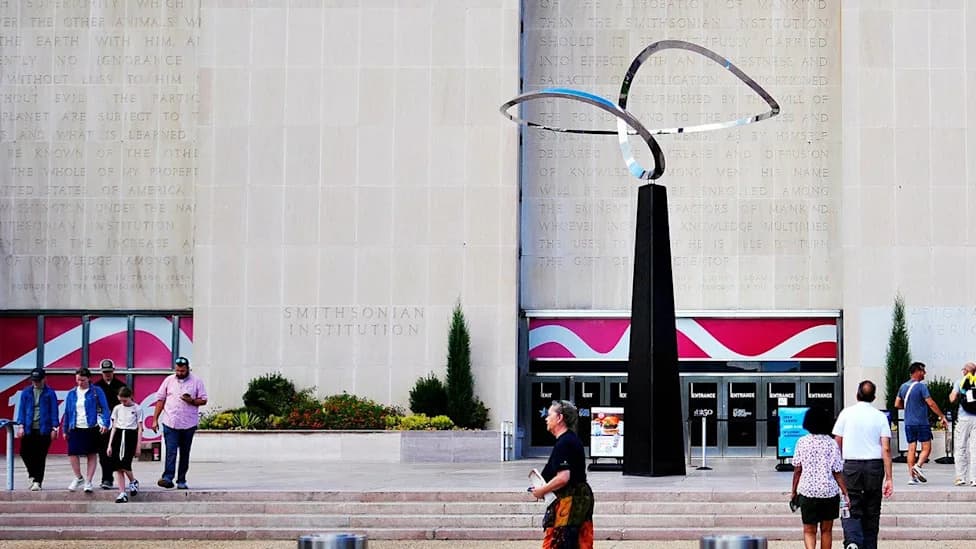
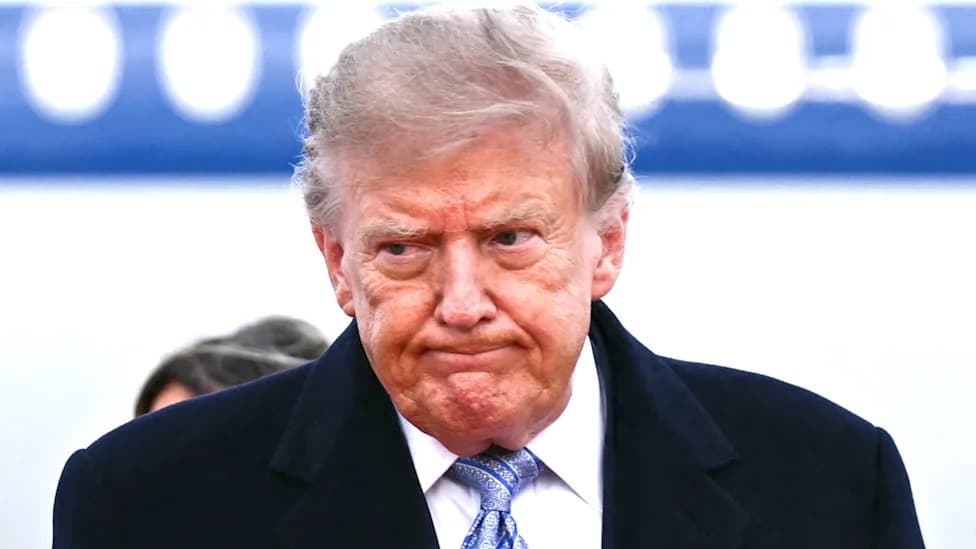
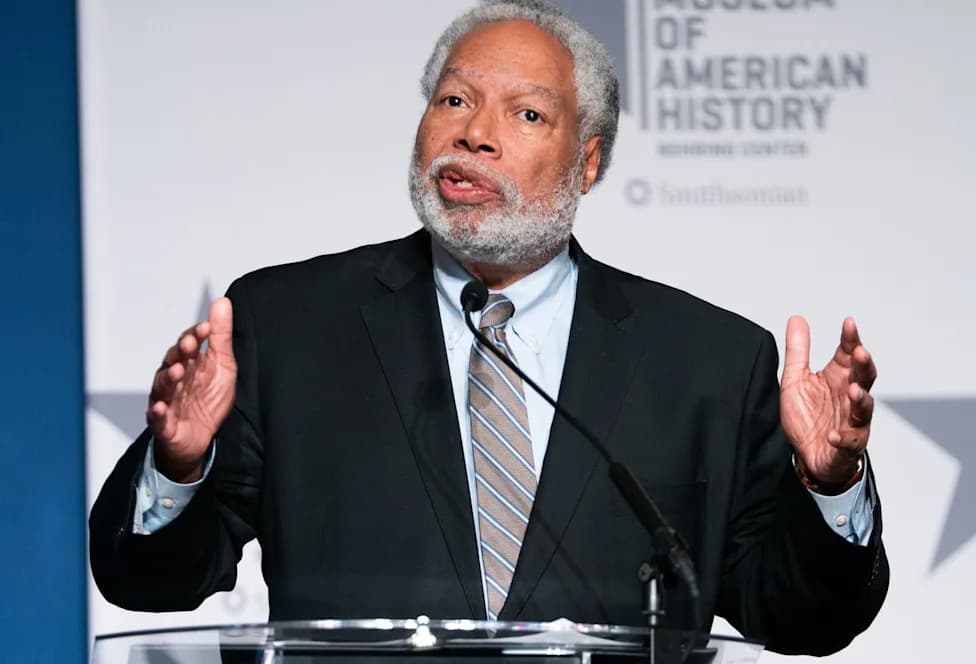
President Trump signed an executive order directing warning signs be installed on National Park Service paths leading to the Smithsonian's National Museum of American History, saying some exhibits reflect ideological bias and directing visitors to White House‑approved resources. The order references a Fourth of July report by the Domestic Policy Council that criticized the museum's narrative and questioned the Smithsonian's use of roughly $1 billion in federal funding. Museum director Anthea Hartig has disputed the report and said the museum is still fact‑checking the administration's findings.
Trump Orders Warning Signs Near Smithsonian Directing Visitors to White House‑Approved History
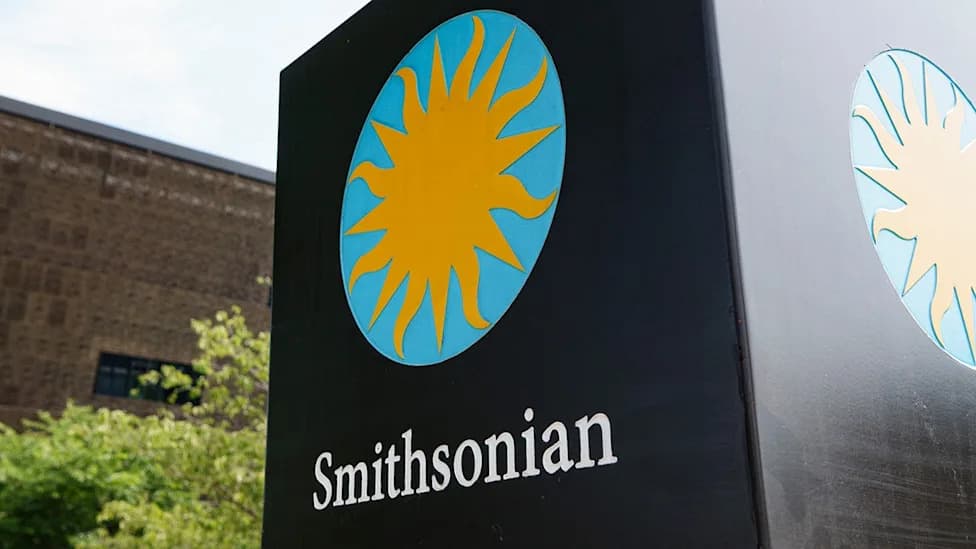
A Smithsonian sign is displayed in front of the National Museum of African American History and Culture on July 10, 2026 in Washington, DC. (Photo by Kevin Carter/Getty Images)
President Donald Trump has signed an executive order requiring warning signs to be placed on National Park Service‑maintained sidewalks and walkways that lead to the Smithsonian Institution's National Museum of American History. The administration says the signs should alert visitors that some exhibits may reflect ideological influence and should direct them to alternative websites and resources endorsed by the White House.
What the Order Says
The order, issued with a supplemental statement from the White House, accuses museum leadership of "extreme political activism, rooted in Marxism, to divide, dispirit, and discourage Americans." It instructs that notices point passersby to the administration's recently published report on the museum and to a list of resources the White House approves. The administration says signs will be installed "soon," but the exact timeline and placement details remain unclear.
What Is Unclear
The directive does not specify the exact wording that will appear on the signs, nor does it list the specific websites, exhibits or physical locations that will be promoted as alternatives. It also leaves open who will determine the final language and which external resources will be included.
Reaction From the Smithsonian
Anthea Hartig, director of the National Museum of American History, disputed the administration's conclusions during congressional hearings. Hartig said the museum was still fact‑checking the White House report and argued that it "does not fairly or accurately characterize the full body of work at the museum." She added: "There is always room for improvement. But I also know the beauty and inspiration and the expertise that lies in our collections, our exhibits, and our programming."
"Once widely respected as a symbol of American excellence and a global icon of cultural achievement, the Smithsonian Institution has, in recent years, come under the influence of a divisive, race-centered ideology," the order states. "This shift has promoted narratives that portray American and Western values as inherently harmful and oppressive."
Background
The White House report, released on the Fourth of July and prepared by the Domestic Policy Council, concluded that the National Museum of American History "does not tell history in a way that is inspiring, unifying, and worthy of our great republic." The administration also questioned whether the Smithsonian is appropriately using the roughly $1 billion it receives annually in federal funding.
What's Next
Key questions remain about sign wording, the list of White House‑approved resources, and when installation will begin. The White House and the Domestic Policy Council provided material for the story; The Associated Press contributed reporting. This story was reported from Orlando.
Help us improve.