A three-judge panel of the First U.S. Circuit Court of Appeals has blocked the Trump administration from enforcing an April executive order that would tighten controls on absentee and mail-in voting ahead of the midterms. The court rejected the administration's request to lift a lower-court injunction and barred creation of a federal eligible-voter list and any USPS directive to withhold ballots. The order had prompted lawsuits from 23 states and the District of Columbia. Judges concluded the federal government failed to demonstrate that the injunction should be lifted before the September and November federal elections.
Appeals Court Blocks Trump Administration From Tightening Mail-In Voting Rules Ahead Of Midterms
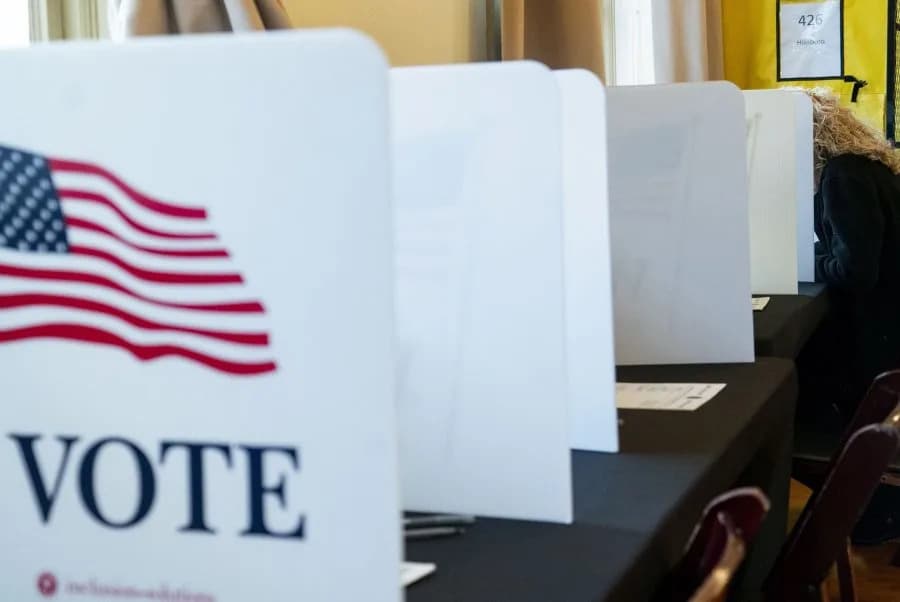
A federal appeals court ruled on Saturday that the Trump administration cannot put into effect an executive order to create lists of eligible voters and prevent the postal service from delivering them to people who do not appear on the lists. File Photo by Bonnie Cash/UPI
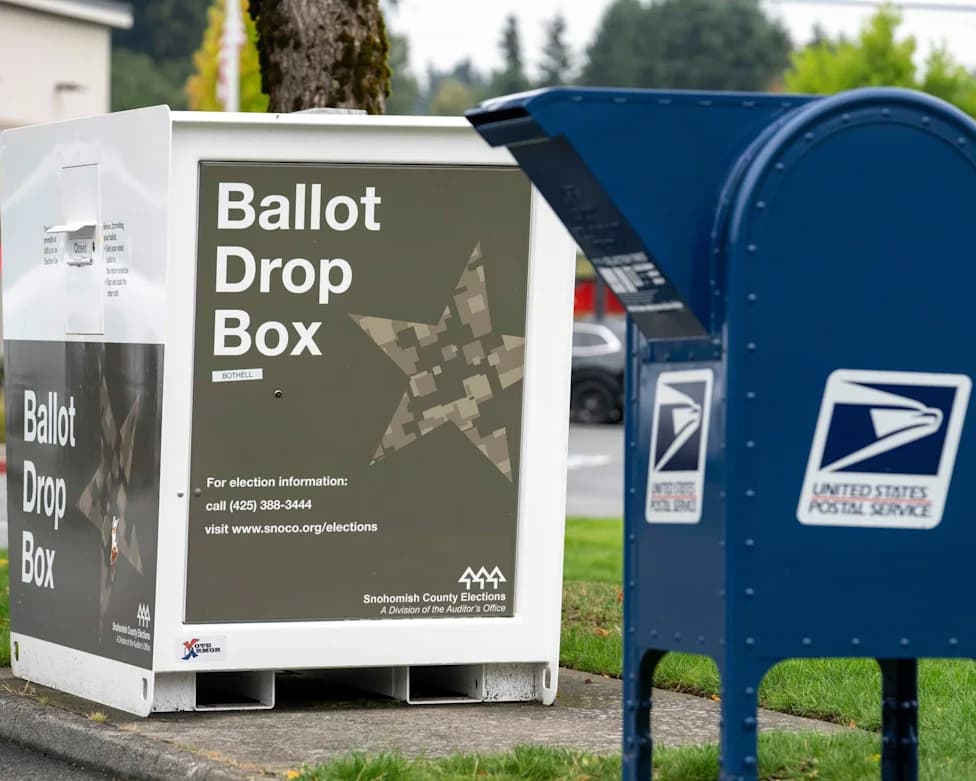
A federal appeals court has ruled that the Trump administration may not implement an April executive order that would have tightened controls on absentee and mail-in voting ahead of the November midterm elections.
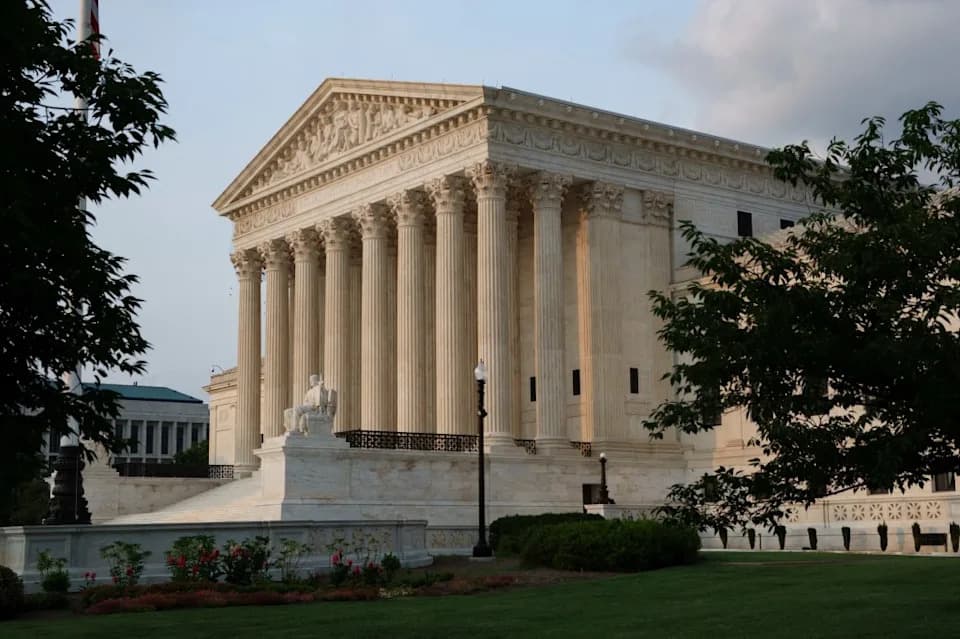
The decision, issued Saturday by a three-judge panel of the First U.S. Circuit Court of Appeals, rejects the administration's bid to lift an injunction that has kept the order from taking effect. The court barred the federal government from compiling a nationwide list of eligible voters and from instructing the U.S. Postal Service to withhold ballots from people who do not appear on such a list.
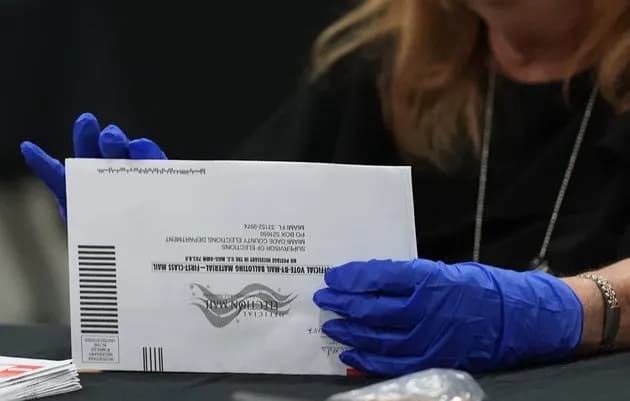
The April 1 executive order sought to expand the federal role in election administration by directing the Department of Homeland Security to assemble state citizenship lists from federal records and provide them to state election officials to verify absentee and mail-in ballot recipients. The order prompted 23 states and the District of Columbia to sue, arguing it unlawfully interfered with state-run elections.
"To be sure, the injunction prevents the federal Defendants from enforcing the EO in the Plaintiff states' upcoming primary and general federal elections in September and November," the judges wrote.
The appeals court said the federal government failed to show it met the burden required to lift the lower-court injunction. The administration's central claims—that widespread ineligible voting by mail occurred in the 2020 election—have not been demonstrated in numbers sufficient to justify imposing the executive order before the 2022 federal contests.
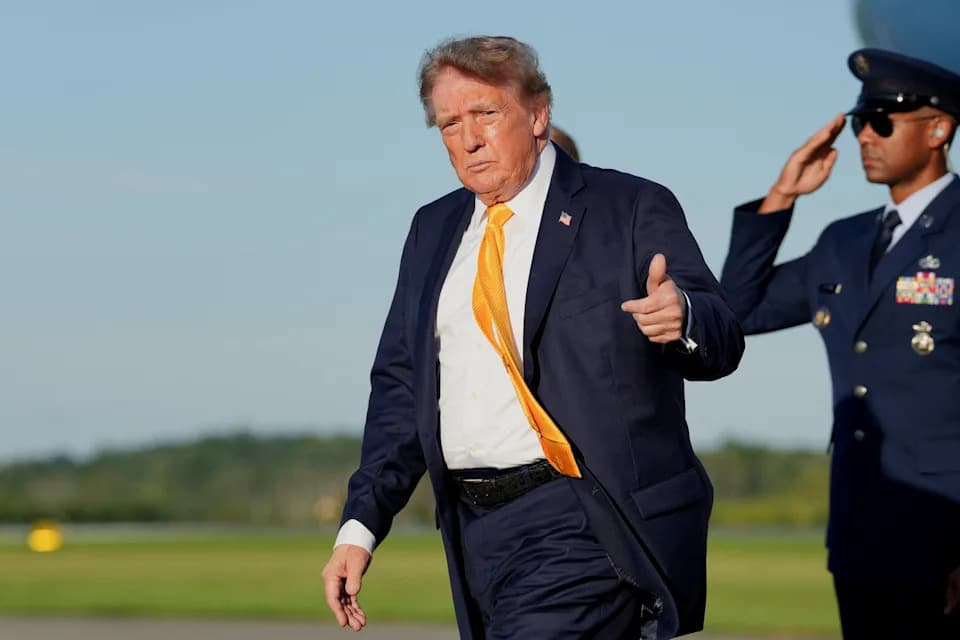
President Trump, who has continued to assert without evidence that the 2020 election was stolen, framed the order as an election-integrity measure. Critics and multiple courts have described the administration's broader allegations of widespread voter fraud as unsubstantiated.
What This Means: The injunction remains in place for the September primaries and the November midterms, preventing the federal government from enforcing the disputed provisions of the executive order while the litigation proceeds.
Help us improve.