The Renters' Rights Act, enacted in May, has coincided with a sharp fall in Rightmove searches filtered for pet-friendly rentals—down 54% in May and 52% in June year-on-year. The law bars landlords in England from unreasonably refusing pets but permits refusals for specific reasons, such as allergies, unsuitable property size, illegal animals or leasehold restrictions. Tenants, agents and landlords report confusion, later disclosures of pets and ongoing concerns about potential damage, insurance and fees.
Pet-Friendly Rental Searches Plunge After Renters' Rights Act — Rightmove Data Shows 50%+ Drop

[Getty Images]
Searches on Rightmove for rental properties that explicitly allow pets have fallen sharply since the Renters' Rights Act took effect in May, according to data shared with the BBC. Filters for pet-friendly homes dropped by 54% in May and 52% in June compared with the same months a year earlier, suggesting renters are changing how and when they disclose pet ownership.
What the Data Shows
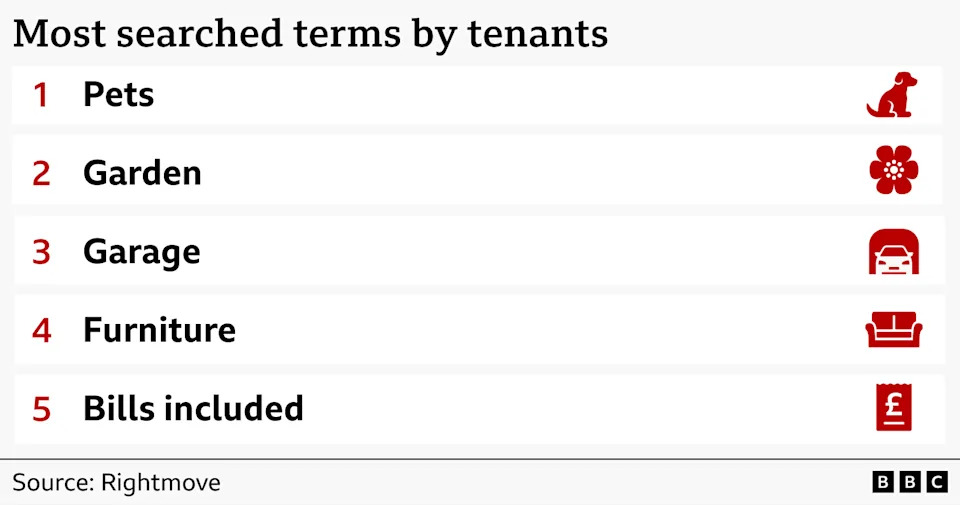
Rightmove's figures show a rapid decline in proactive searches for pet-friendly rentals as the new law approached and then came into force. Pets remain the most commonly searched-for feature on the platform—ahead of gardens, garages and furnishings—but their lead is shrinking as fewer users apply the pet filter early in their search.
[BBC]
What the Law Means
The Renters' Rights Act, which came into effect in May in England, prevents landlords from unreasonably refusing a tenant's request to keep a pet. However, the law allows refusals in specific, legitimate circumstances. As industry representatives note, misunderstanding about what the law guarantees is common.
- Landlords Must Consider Requests Fairly, But Can Refuse For Valid Reasons
- Permitted Grounds For Refusal Include: another tenant's allergy, property size being unsuitable for a large or multiple animals, the animal being illegal, or leasehold/freeholder restrictions
- Landlords Cannot Use Blanket "No Pets" Policies To Automatically Reject Requests
Voices From Tenants And Agents
"Landlords must consider requests fairly and cannot unreasonably refuse them, but they can still decline where there is a valid reason," said Megan Eighteen, immediate past president of ARLA Propertymark, warning of potential misunderstanding among tenants.
Agency directors report a shift in disclosure behaviour: some tenants now reveal pets only after signing tenancy documents or when discovered during inspections. "Tenants now understand the balance of power has shifted," said Marc von Grundherr of Benham and Reeves.

Eve had to give up her dog - Khan - or face eviction [Eve Williamson]
Personal Stories
Before the law change, some renters faced painful choices. Eve Williamson, 41, from London, had to rehome her American Bulldog, Khan, or risk eviction despite previously keeping a dog in the property. She described the experience as traumatic and welcomed the new protections.
Katie Smith, 29, from Swindon, who lives with two cats and a young child, says pets bring "wonderful moments," but still finds that filtering for pet-friendly listings significantly reduces available options on property portals.

Russell Hunt said landlords should consider each pet request on its merits [Russell Hunt]
Landlord Concerns And Practical Issues
Landlords and their representatives acknowledge pets' benefits but highlight real worries about damage and costs. Key concerns include:
- No power to compel tenants to buy pet insurance
- No automatic legal right to request an additional pet-specific deposit
- Potential repair costs if a pet causes damage
Lesley Horton, chief property ombudsman, says landlords should not impose pet surcharges outside permitted fees, but they may make deductions from tenancy deposits for proven pet-related damage.
How To Reduce Friction
Industry experts suggest practical steps to improve outcomes for tenants and landlords:
- Use pet CVs or references to demonstrate good behaviour and care
- Discuss pet ownership early and provide clear information on size, age and training
- Assess each request on its merits rather than using blanket bans
- Keep clear records and photos to support any deposit deductions for damage
Rightmove's data and the stories of renters and landlords underline a broader shift in the lettings market since the Renters' Rights Act was implemented: tenants have more leverage, but inconsistencies, misconceptions and practical challenges remain. Additional reporting by Kris Bramwell and data shared with the BBC.
Help us improve.