The IHME analysis of Global Burden of Disease data (1990–2023) shows the "morbidity gap" widened in 203 of 204 countries: globally 14.5% of life in 2023 was spent in poor health versus 13.6% in 1990. In the U.S. people spend roughly 14 years (about 17.8%) in poor health. Musculoskeletal disorders, mental disorders and sensory loss account for roughly 57% of years lived in poor health. Experts urge a shift from extending lifespan to expanding healthspan through prevention, chronic care and routine functional assessment.
Longer Lives, Worse Health: Study Finds Global 'Morbidity Gap' Is Growing — U.S. Hit Hardest
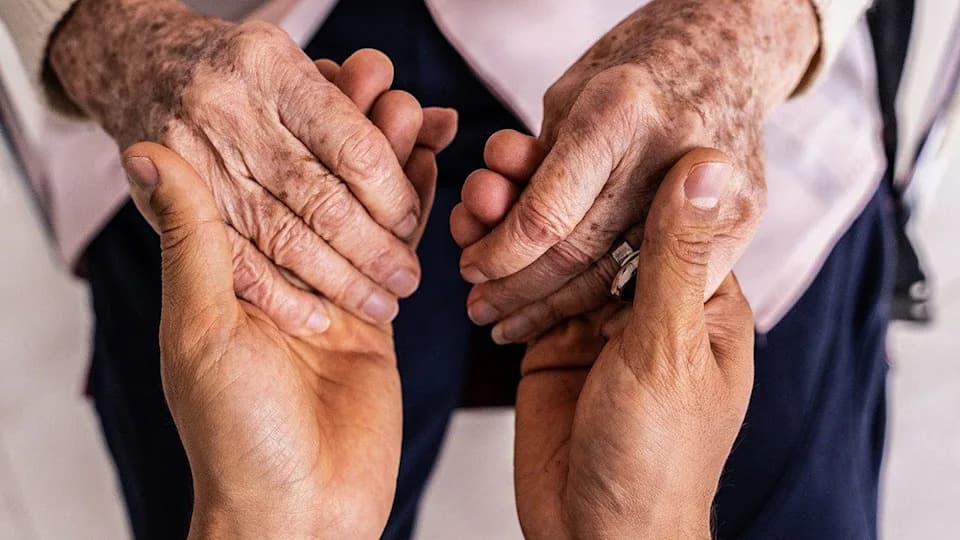
A recent study found that the number of years people spend in poor health is widening, especially in America.
People around the world are living longer, but a new analysis from the Institute for Health Metrics and Evaluation (IHME) finds that many are spending a larger share of those extra years in poor health. Using Global Burden of Disease data from 1990 through 2023, researchers examined 204 countries and territories and report the "morbidity gap" widened in 203 of them.
Key Findings
Globally, the proportion of life spent in poor health rose from 13.6% in 1990 to 14.5% in 2023. In the United States the gap is especially large: people spend about 14 years, roughly 17.8% of expected lifespan, living with chronic conditions or disability.
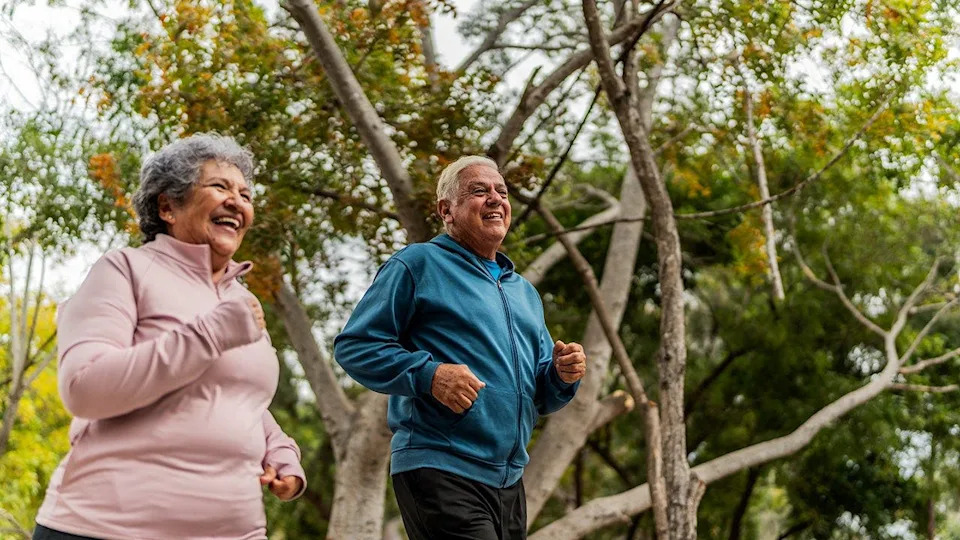
Researchers recently found people are spending more years living with chronic diseases and disabilities.
"What matters most about this study is not that people are living longer. It is that we have become far better at delaying death than delaying functional decline," said Dr. Antony Chu, Clinical Assistant Professor at Brown University’s Warren Alpert School of Medicine.
What Drives the Morbidity Gap?
The paper, published in The Lancet Public Health, identifies a relatively small group of mostly non-fatal conditions as the major contributors. Musculoskeletal disorders — especially low back pain — mental disorders such as depression and anxiety, hearing loss, and falls together account for about 57% of all years lived in poor health worldwide. Other important contributors include high fasting plasma glucose, obesity and population aging.
The researchers caution the analysis describes broad trends and does not prove direct causation. Nevertheless, the pattern is consistent: increases in survival have generally outpaced increases in healthy years of life, so more people are living longer with chronic disease and disability.

Many older Americans are socially isolated, though research shows relationships are important to longevity, an expert said.
Experts' Recommendations
IHME director Dr. Christopher Murray and clinicians quoted in the report call for a shift in priorities from simply extending lifespan to expanding healthspan — the number of years lived in good health. Recommendations include greater investment in prevention, improved long-term disease management, and strengthened chronic care systems.
Clinicians emphasize routine assessment of mobility, muscle strength, balance, hearing and cognition alongside traditional risk-factor monitoring such as blood pressure, cholesterol and glucose. Early attention to functional decline, progressive resistance training, fall prevention, maintenance of muscle mass and early treatment of chronic back pain are suggested as core preventive measures.

A continued sense of purpose and belonging may lead people to live longer and healthier lives, according to an expert.
Mental health and social connection are also critical. Hearing loss, depression, anxiety and loneliness often interact, accelerating physical decline and reducing quality of life. Experts note cultural differences in the roles older adults play in society: in many countries older people remain active and respected within multigenerational families, a factor that may protect against isolation and poor mental health.
Conclusion
The IHME analysis underscores that adding years to life is not enough; health systems and communities must work to add life to those years. Preventive strategies, early functional assessment and stronger social supports will be central to compressing morbidity and improving quality of later life.
Help us improve.