About 50% of jaraqui sampled in Puraquequara Lake near Manaus contained microplastic particles, raising health concerns for communities that rely heavily on fish. A wider review in Ambio shows microplastic contamination across the Amazon basin, affecting many species people eat. Scientists warn microplastics can carry pollutants like PFAS and PCBs, and removing fish guts does not eliminate all risk. Experts recommend expanded sewage treatment, reliable trash collection and stronger monitoring.
Microplastics Found in Jaraqui Near Manaus Raise Health Concerns for Amazonian Communities
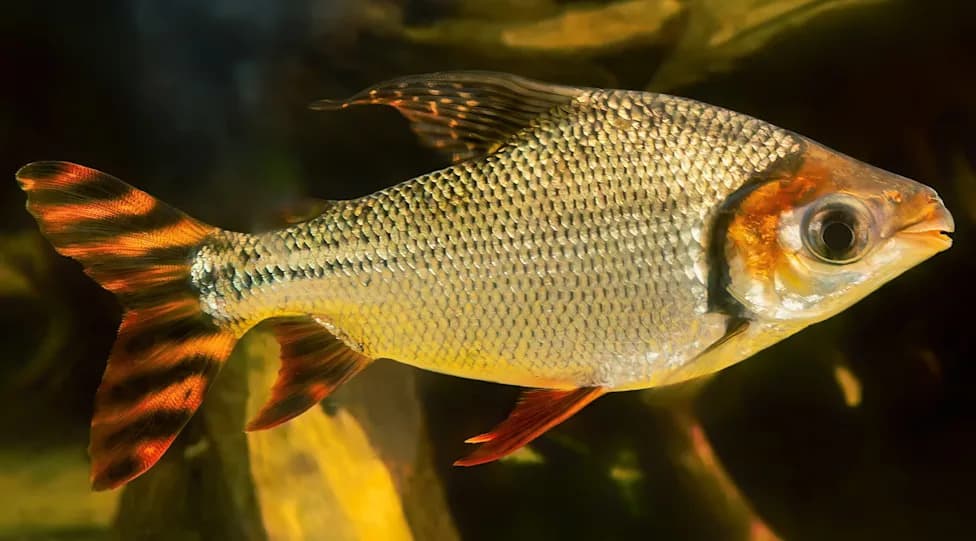
Photo Credit: iStock
Researchers have detected microplastic particles in a commonly eaten Amazonian fish, renewing worries about contamination of local diets and ecosystems. Samples of jaraqui taken from Puraquequara Lake, on Manaus's eastern edge, contained synthetic plastics in roughly half of the fish examined.
What Researchers Found
Mongabay reported on July 20 that about 50% of jaraqui sampled from Puraquequara Lake had synthetic plastic fragments in their intestines, a finding also highlighted by TechTimes. A broader peer-reviewed scoping review in Ambio documents microplastic contamination across the Amazon basin — in major rivers, urban waterways, floodplains and mangroves — and finds that about two-thirds of affected animals are species commonly eaten by local communities.
Why It Matters
Fish are a primary protein source for many Amazonian households. Amazon riverine communities consume an estimated 240–293 kg (529–646 lb) of fish per person each year, among the highest per-capita rates globally. Microplastics can remain in the gut longer than normal food and may carry absorbed chemicals — such as PFAS, PCBs, phthalates and pesticide residues — creating a potential "Trojan Horse" pathway for pollutants into food chains.
Limits of Current Food-Handling Practices
Although removing the digestive tract during cleaning can reduce exposure to particles located in intestines, it does not remove microplastics or associated chemicals that may have migrated into fish tissue. Scientists emphasize that common cleaning methods are not a full safeguard.
Drivers Of Pollution
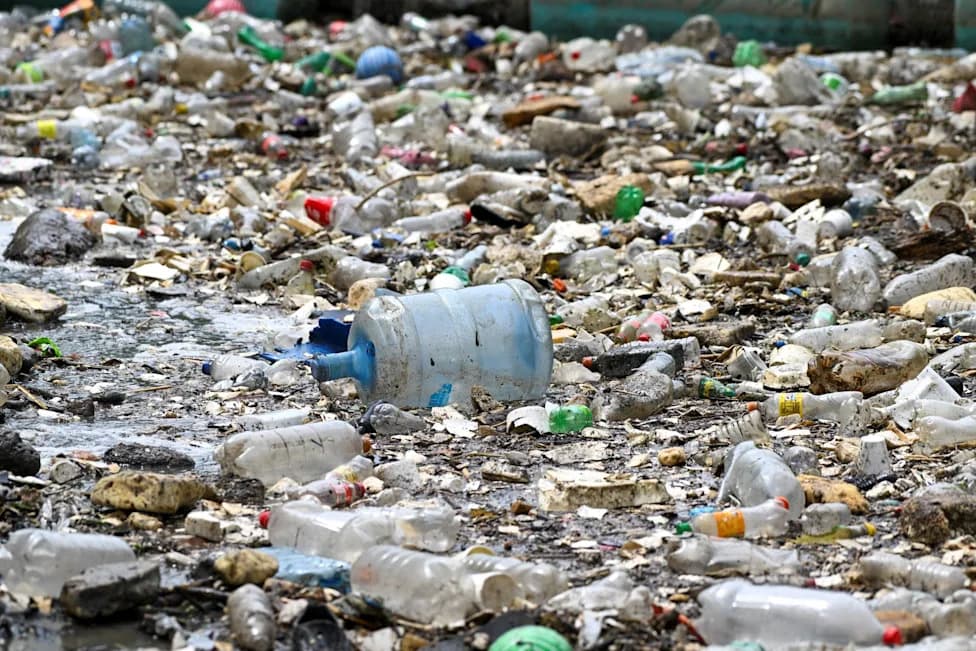
Researchers estimate that roughly 322,000 tons of plastic waste pass through the Amazon River every year. In northern Brazil, limited sewage coverage and untreated waste further increase the plastic load entering waterways.
Community Action And Policy Needs
Local organizations have begun taking action. In June, volunteers from NGO Asas de Socorro and the Rede Reviva network reportedly removed a dumpster's worth of plastic from about 1.5 km of Puraquequara Lake shoreline. After local advocacy, waste collection in Puraquequara village increased from once a week to three times a week. Nevertheless, researchers warn that scattered, small-scale fixes will not be sufficient.
- Recommended responses include expanding sewage collection and treatment, ensuring reliable trash pickup, and strengthening monitoring of plastics and associated contaminants in fish, water and soil.
- Mangrove protection can help trap microplastics before they spread downstream, but it places additional pollutant burdens on those critical ecosystems.
'Even wild animals that have little contact with people and that live deep in the forest, far away from cities, are already contaminated with microplastics,' said Jéssica Fernandes de Melo, a researcher in ecology and biodiversity conservation at the State University of Santa Cruz.
Research Gaps
Major knowledge gaps remain, especially within Indigenous territories and traditional food systems where dependence on wild-caught fish is highest and formal study is limited. Experts call for targeted monitoring and studies to better understand human exposure and long-term ecological impacts.
Bottom line: The detection of microplastics in a staple fish species highlights a pressing environmental and public-health issue in the Amazon that will require coordinated policy action, improved waste and sewage infrastructure, and expanded scientific monitoring.
Help us improve.