The Salamanca City Central School District plans a fall 2026 pilot that will introduce a humanoid robot, Sally, and an AI assistant, Optio, at Salamanca High School. Teachers' unions and many local residents—including members of the Seneca Nation—have called the pilot inappropriate and culturally insensitive. Concerns center on privacy, software security, the dehumanization of education, and the choice to trial the program in a community with nearly 40% Native American students.
Teachers and Seneca Community Criticize Humanoid Robot Pilot At Salamanca High
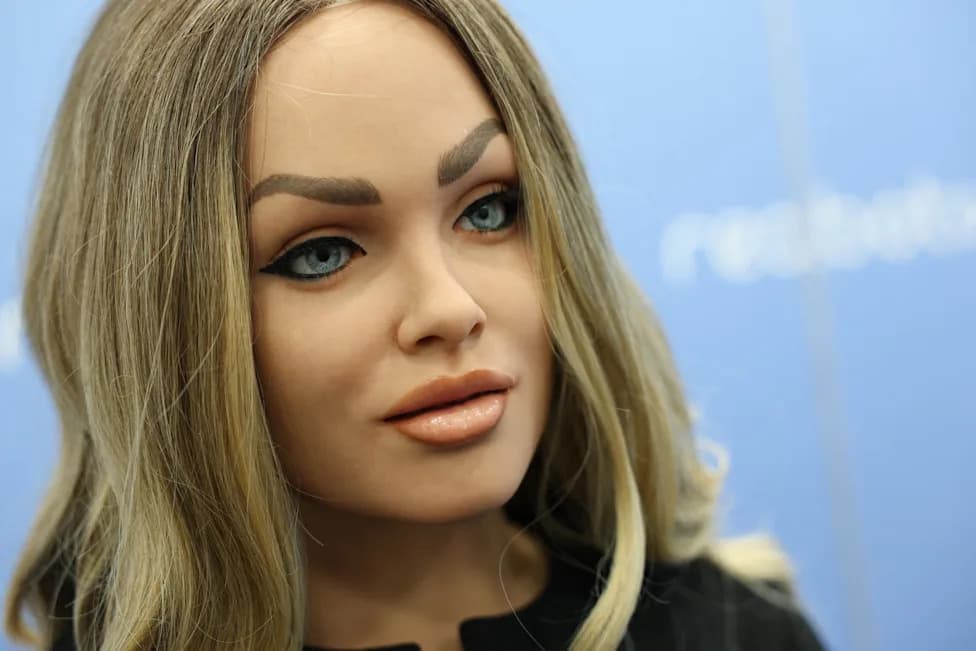
A Realbotix robot at the Consumer Electronics Show in Las Vegas in January.Photograph: Patrick T Fallon/AFP/Getty Images
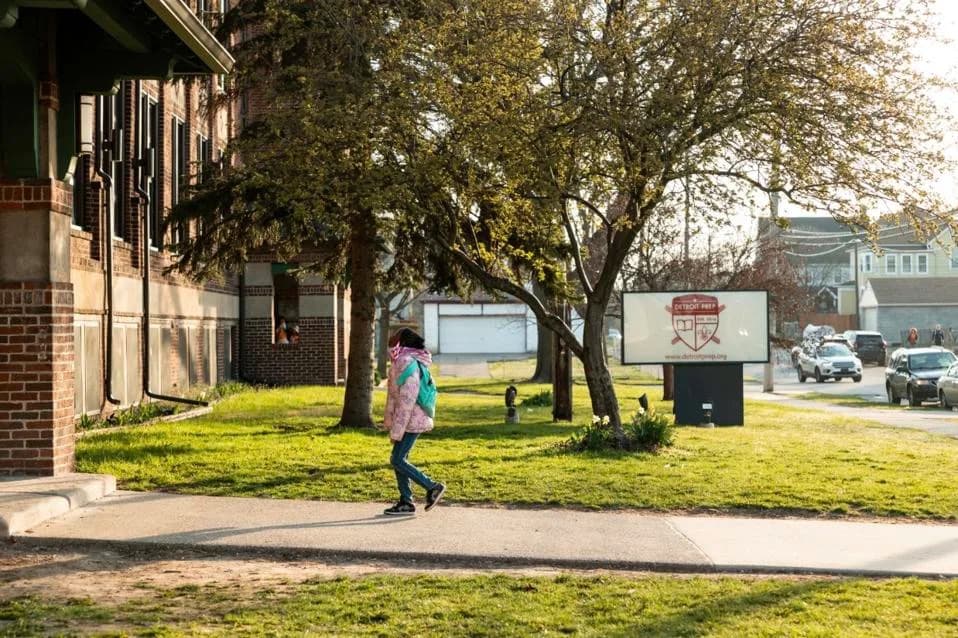
Salamanca High School in Salamanca, New York, located on the Allegany territory of the Seneca Nation, is set to launch a fall 2026 pilot introducing a humanoid robot called Sally and an AI teaching assistant named Optio. The announcement has prompted strong objections from teachers, union leaders and local Native American residents who call the program inappropriate and culturally insensitive.
What the Pilot Entails
The Cattaraugus County/Salamanca City Central School District purchased the Realbotix M-Series humanoid unit for $57,590. District materials state Sally will operate as a closed-loop system while also being available virtually to students with online access 24/7, offering personalized learning pathways as part of the district's existing STEM curriculum.
Vendor Background
Realbotix, formerly Tokens.com and based in Toronto, acquired Simulacra — a Las Vegas company known for making lifelike dolls — for $16.7 million in April 2024. Realbotix has said the doll-making business, produced by its subsidiary Abyss Creations, is not connected to the school pilot. The company describes the M-Series as capable of natural conversation, facial expressions and real-time interaction.
Concerns From Teachers, Unions And The Local Community
Teachers and union leaders have voiced a range of objections. Lacey Pihlblad, president of the Salamanca Teachers' Association, said the union wants the district to pause both the robot deployment and the accompanying software rollout until more stakeholders can weigh in. She raised questions about software security, data collection and recording capabilities, and said many teachers worry the project moves education in the wrong direction.
'We are very concerned about the security of the software that they're implementing, and whether or not the data will be stored, how it will be gathered, [and] the recording capabilities,' said Pihlblad.
Melinda Pearson, president of the New York State United Teachers, described the initiative as 'really inappropriate' and said many educators find it 'creepy.' She argued that what schools need now is more human connection and trained adults rather than additional screens, algorithms or humanoid machines that could risk dehumanizing the profession.
Local Native American residents say selecting Salamanca — where nearly 40% of students identify as Native American — to pilot the technology is culturally insensitive. Substitute teacher Sierra May Abrams described the choice as 'experimenting on Native American children yet again,' and community health specialist Alyson Brown cited intergenerational trauma linked to local boarding schools as a reason families view the pilot with alarm.
Official Responses And Next Steps
A Realbotix spokesperson said the fall 2026 pilot is meant to complement, not replace, teachers by providing supervised access to emerging AI and robotics tools under district oversight. The Salamanca City Central School District and superintendent Mark Beehler did not respond to multiple requests for comment.
The New York State Education Department has contacted the district and raised 'serious concerns about student privacy, appropriate safeguards, and the risk that the robot could be used to perform functions that should remain the responsibility of trained, qualified professionals,' according to JP O'Hare, assistant commissioner of public affairs. He emphasized that technology should support educators, not replace human judgment or accountability essential to a safe learning environment.
Context And Considerations
This pilot raises intersecting questions about student privacy, data security, community consent, cultural sensitivity and the role of human educators in social and emotional learning. Union negotiations in Salamanca are expected to include new protections related to artificial intelligence, and community calls for a pause signal broader debate about how—and where—emerging classroom technologies should be tested.
Help us improve.