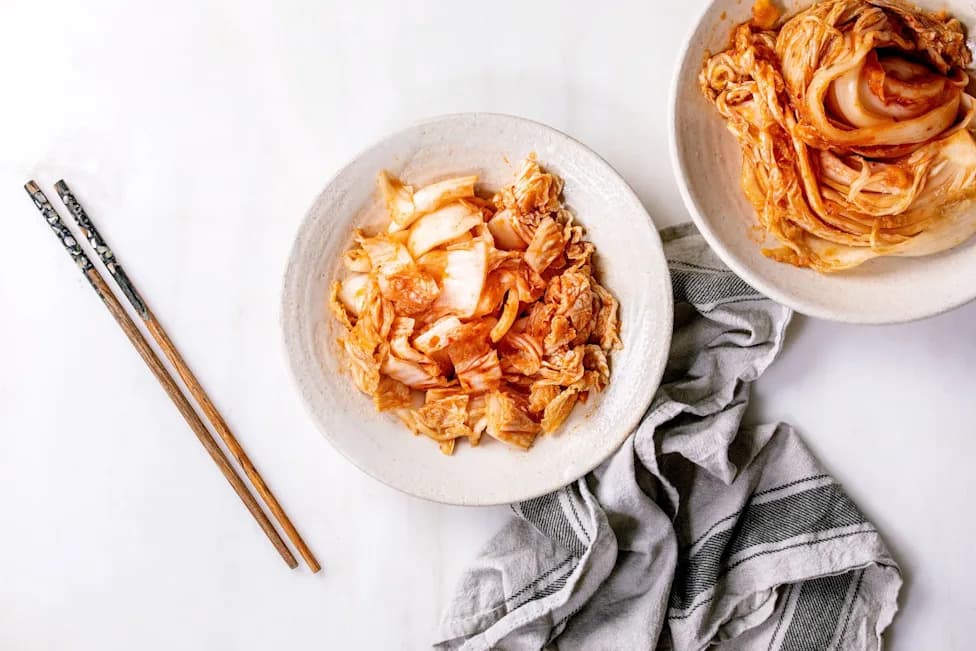
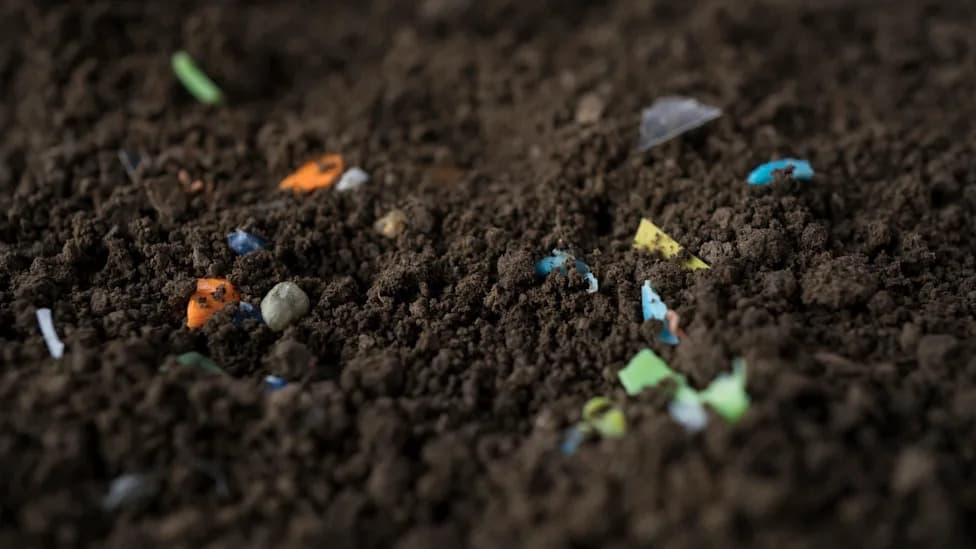
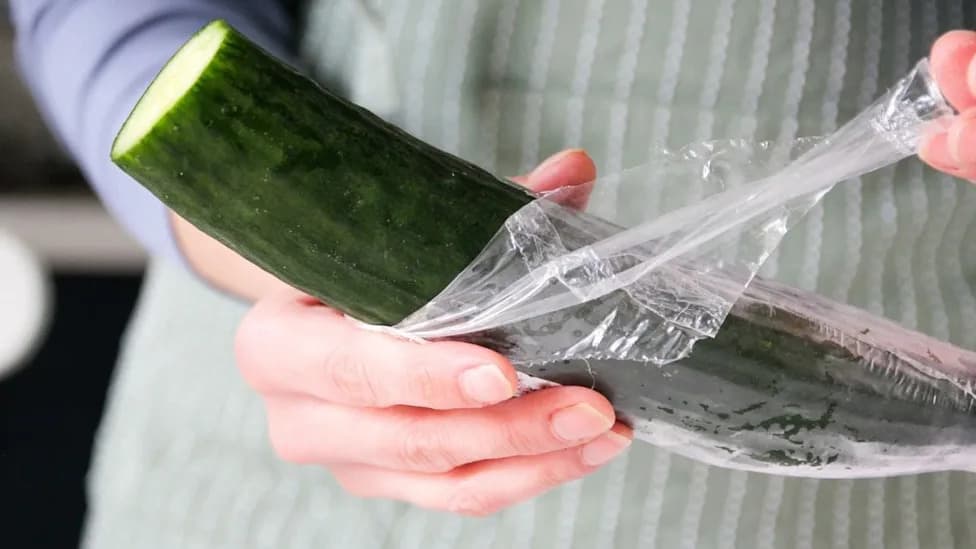
Preliminary lab and mouse experiments suggest a lactic acid bacterium isolated from kimchi may bind some microplastic particles and help move them through the digestive tract. In mice given the probiotic, fecal microplastic levels were about twice those in control animals, and lab tests showed ~57% particle binding. These are early findings that require clinical trials before any human dietary recommendations can be made.
Could Kimchi Help Remove Microplastics? Early Mouse Study Suggests Gut Bacteria Might Aid Clearance
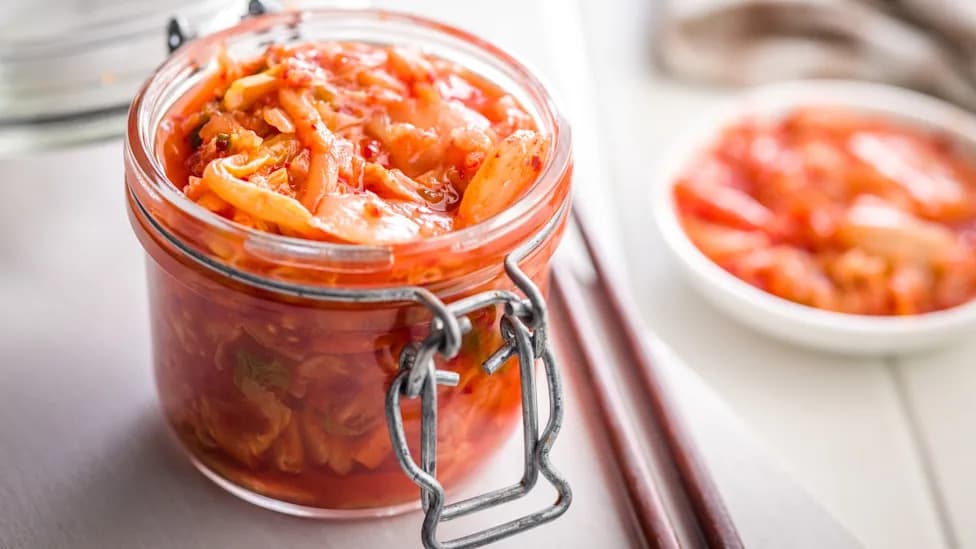
Photo Credit: iStock
Researchers are investigating whether a bacterial strain associated with kimchi, the Korean fermented side dish, could help the body eliminate microplastics from the digestive tract. Early laboratory and animal experiments show promise, but experts caution that human studies are needed before drawing practical conclusions.
What the Study Found
In preliminary work reported in media coverage of the research, scientists isolated a lactic acid bacterium from kimchi that appeared to bind some microplastic particles in laboratory tests. In vitro experiments showed the strain attached to roughly 57% of assessed microplastic particles. In an animal experiment, mice given the probiotic excreted about twice as much microplastic in their feces as mice that did not receive the bacteria.
Important Caveats
These results are preliminary. The findings come from early lab and mouse work and do not demonstrate that eating ordinary kimchi will produce the same effect in humans. Clinical trials are needed to confirm whether the bacterial strain can enhance microplastic clearance through digestion in people.
Why This Matters
Tiny plastic fragments have been detected in unexpected places, including human blood, lungs and placentas, which has raised public-health concerns. Because microplastics enter the body through food, water and air, researchers are exploring both the scale of everyday exposure and potential interventions that could reduce accumulation.
Kimchi and Gut Health
Separately from the microplastics question, kimchi is already associated with digestive benefits. As a fermented food it contains beneficial bacteria that can support a healthy gut microbiome, and its fiber content helps nourish those microbes. Ingredients such as cabbage, garlic, chili pepper and ginger also contribute antioxidants.
Practical Steps To Reduce Microplastic Exposure
- Use nonplastic drink containers (glass or stainless steel) when possible.
- Choose kitchen tools made of glass, stainless steel, wood or silicone instead of plastic.
- Avoid microwaving food in plastic containers, which can increase particle release.
- Reduce single-use plastics and opt for fresh, minimally packaged foods.
Bottom line: The kimchi-associated bacterial strain is an intriguing lead that highlights the potential role of the gut microbiome in handling microplastic exposure. However, kimchi is not a proven treatment—further human research is required before making dietary recommendations based on these early findings.
Help us improve.