Prime Minister Andy Burnham has launched "Number 10 North," a ministerial hub temporarily based at Heron House in Albert Square with plans to move to Manchester Digital Campus in Ancoats by 2032. Local opinion is divided: many residents and business leaders welcome closer government access and potential job gains, while others fear rising rents, transport disruption and whether the plan will endure. Think tanks and regional bodies argue decentralisation could help reduce North–South inequalities and boost national growth.
Number 10 North: Manchester Divided Over Plan For A Northern Prime Ministerial Hub

Knowing the prime minister is in the city is "pretty exciting", Nathaniel (right) said. [BBC]
After a dramatic rise to the premiership and a flurry of announcements, Prime Minister Andy Burnham has unveiled plans for a ministerial hub in Manchester branded "Number 10 North." He says the initiative will act as a northern branch of the prime minister's headquarters and oversee what he calls "the biggest rebalancing of power our country has ever seen."

Amira, 24, lives in Manchester city centre. She said it was a "big surprise" to learn about Number 10 North [BBC]
The new PM held a meeting at a temporary Number 10 North base at Heron House in Albert Square on Friday. Officials expect the operation to move to a permanent home in Ancoats at the Manchester Digital Campus, a brownfield redevelopment forecast to be operational by 2032.
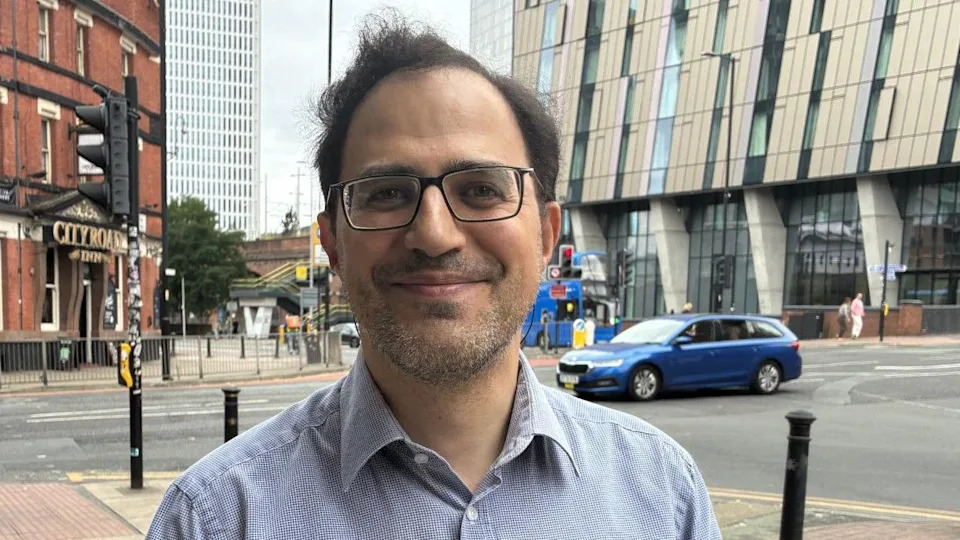
Stability is key, rather than simply office locations, Antonio said. [BBC]
Local Reactions: Enthusiasm and Caution
Locals across Greater Manchester offered mixed reactions. Some welcomed a stronger governmental presence as a long-overdue counterweight to London, while others warned it could worsen housing and transport pressures.

Molly Milley, 29, from Liverpool, said she is happy to see a northern branch PM's office in Manchester [BBC]
"We have needed a voice for a long time — it is very London-centric," said Rebecca Miles, 67, from Wigan. "So I think it can only be a good thing. It took a Northern PM to suggest this."
Amira, 24, who moved to Manchester city centre two years ago, said she was pleasantly surprised by the move but worried about rising living costs. "I hope it doesn't put costs up as Manchester is already getting more expensive," she said. "But if more people come here, the cafe I work at could get busier and I could get more hours."

Luke Smith, 21, said he is not sure whether the concept will work [BBC]
City-centre homeowner Antonio Climaco, 46, said homeowners might benefit from rising property values, but added: "For people trying to get on the ladder, it is a problem." He also warned that security and event measures around high-profile activity can cause local disruption and traffic chaos.

Emma Holt, from the Greater Manchester Chamber of Commerce [BBC]
Business Leaders and Think Tanks Back Devolution
Business representatives who met with ministers and regional leaders were broadly positive. Emma Holt of the Greater Manchester Chamber of Commerce said the main advantage is that businesses across the North will be closer to government decision-making.
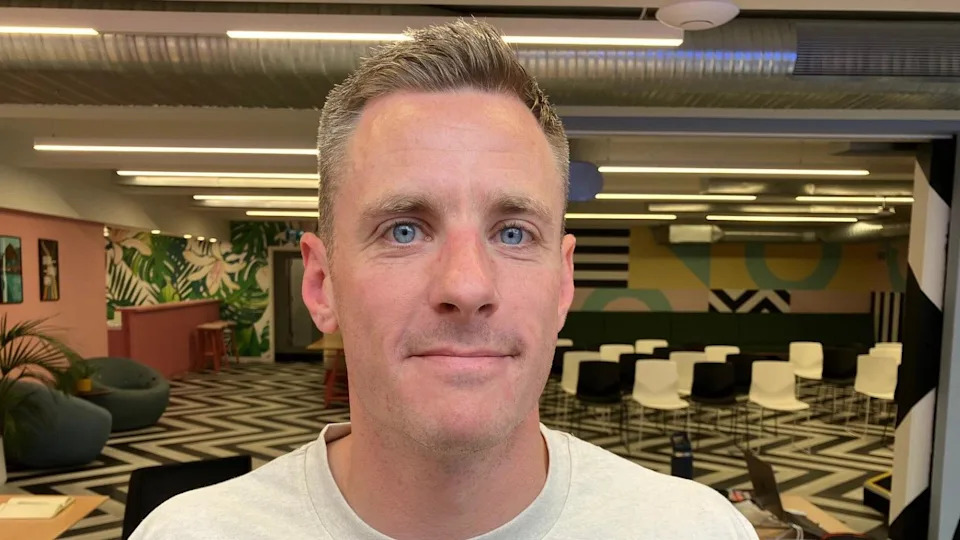
Thomas Giles, from TCM Partners, in Manchester [BBC]
Thomas Giles of recruitment firm TCM Partners welcomed the potential for more regional jobs: "Employment is everything — driving jobs across regions creates a stronger economy." Think tanks such as the Institute for Public Policy Research North and bodies like the Northern Powerhouse Partnership have argued that decentralising power could help address long-standing North–South economic inequalities.
"The new Number 10 North isn't just about devolution for Manchester, it's about devolution for the entire country," said IPPR North spokeswoman Maeve Schaffer. "A decentralised government with branches around the country would listen more and help level up growth."
Trade-Offs And The Big Question: Will It Last?
Supporters highlight closer access to ministers, potential job growth and new investment. Critics warn of higher rents, strain on transport infrastructure, and the risk that the initiative might be temporary if future administrations reverse course. As one resident put it, "Stability matters more than location — will it last?"
As ministers continue to use the Heron House temporary base, residents and stakeholders are weighing the potential advantages of closer government contact against the risks of higher costs, local disruption and uncertainty about long-term permanence.
What to watch next: developments on the Manchester Digital Campus planning and firm commitments on staffing, budgets and devolved decision-making will determine whether Number 10 North becomes a lasting centre of power or a short-term political initiative.
Help us improve.