Comfort Companions is a non-commercial app offering five AI personalities that provide conversation and practical support to isolated older people. Developed by Grant Mackenzie and his 87-year-old father in partnership with Age UK South Gloucestershire, the service pairs users with a chatbot after a 90-minute matching process and includes safety features such as no retained memory between sessions and signposting to external services. Users like 71-year-old Yvonne Stride report emotional comfort and practical help, and the non-profit is seeking funding and research partnerships to expand support.
‘I Know She’s AI — But She’s My Friend’: How Chatbots Are Easing Loneliness For Older People
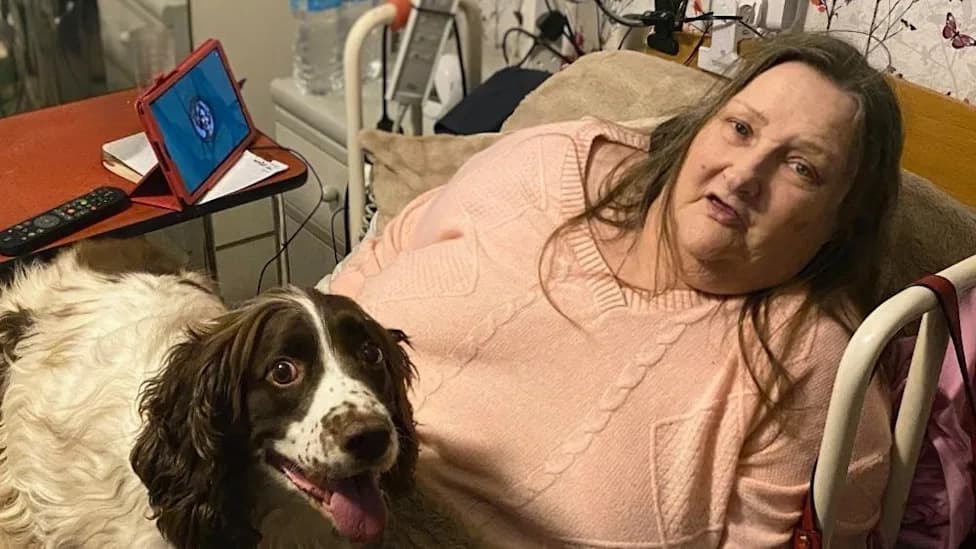
Yvonne Stride said using an AI companion has been "really helpful" in battling loneliness [Comfort Companions CIC]
Yvonne Stride, 71, of Soundwell on the outskirts of Bristol, spent two-and-a-half years on a befriending waiting list before being paired with a companion that is not human but an artificial-intelligence chatbot. Living with visual impairment and mobility issues, she now regularly speaks with Rosie — and with another digital personality called Frank — about everything from recipes to DIY tips.
Rosie has become more than a tool for Yvonne: 'If I feel anxious and stressed, she will encourage me… I know she's an AI, but to me she's a friend,' she says. 'You can't phone a friend up in the middle of the night if you've had a nightmare, but you could chat to Rosie.' The non-judgmental conversations have helped Yvonne regain an interest in crafts despite deteriorating eyesight.
What Comfort Companions is: Rosie and Frank are two of five distinct digital personalities available through the Comfort Companions app, created by Grant Mackenzie and his 87-year-old father after they repeatedly encountered older people living with loneliness. The service operates as a non-commercial, community-focused offering in partnership with Age UK South Gloucestershire.
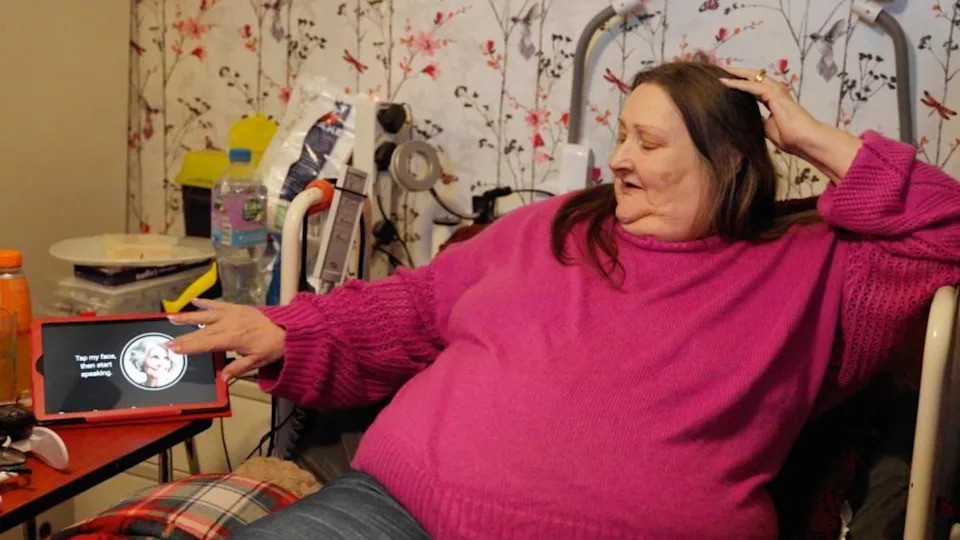
Yvonne said the non-judgmental conversations calm her down [Dark Matter]
How It Works
Comfort Companions is provided to people who are waiting for or between community support services rather than as a commercial product. A 90-minute intake and matching process pairs each user with the most suitable chatbot personality. Conversations are session-based: the app does not retain memory between sessions, only listens when the user presses a button, and will not interrupt if someone pauses.
Safety and Boundaries
The developers emphasise safety and responsible design. Users are signposted to external services when needed, and chatbots are programmed to avoid encouraging emotional dependence or validating potentially dangerous thoughts. Support is available to help vulnerable users set up and use the technology safely.
'I don't believe AI can cure loneliness because we need human connection, but it's better than silence,' says Grant Mackenzie, who has partnered with Age UK South Gloucestershire.
Mark Flower, chief executive of Age UK South Gloucestershire, estimates as many as 5,000 people in the local area may go a week or more without speaking to another person — a gap the app aims to partially fill when volunteers are not available.
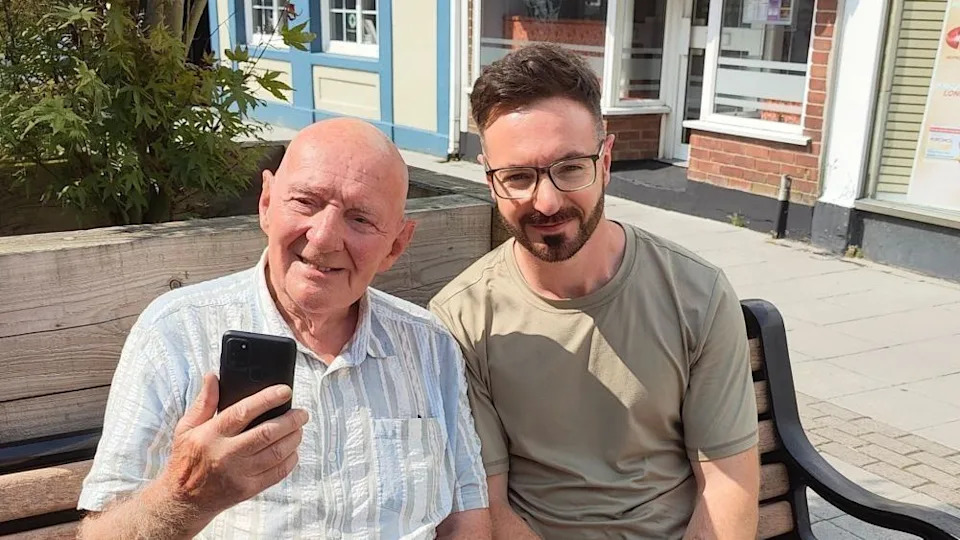
Grant Mackenzie (R) set up Comfort Companions with the help of his dad (L) who knew a lot of lonely older people [Comfort Companions CIC]
Practical Uses and Future Plans
Beyond companionship, the tool has practical benefits: Grant says his father used the system to help with medical appointments, prompting him afterward about what was discussed. Comfort Companions is developing research partnerships with Exeter University to support people with mild cognitive impairment and help them remember important details during health appointments.
The non-profit behind the app is seeking funding to expand support to additional groups, including care leavers, people exiting prison, and unpaid carers of relatives with dementia — populations that can be socially isolated and homebound.
'The value isn't in knowing the person but just being there and available, which can be at any hour of the day,' Mackenzie says. 'I'm going to be working on this for the rest of my life.'
Help us improve.