The FDA’s Pharmacy Compounding Advisory Committee narrowly recommended adding six peptides — BPC-157, KPV, TB-500, MOTS-c, Epitalon and Semax — to a list allowing specially licensed compounding pharmacies to prepare them for prescribed, individual patients. The vote was split: advisers argued listing could reduce harm from an unregulated gray market, while FDA scientists and public-health advocates warned of limited evidence and safety concerns. Emideltide was rejected due to especially weak and incompatible supporting studies. The recommendation is non-binding and must still undergo FDA review, proposed rulemaking, and public comment before any change becomes official.
FDA Advisory Panel Narrowly Recommends Adding Six Popular Peptides to Compounding List — What’s Next?
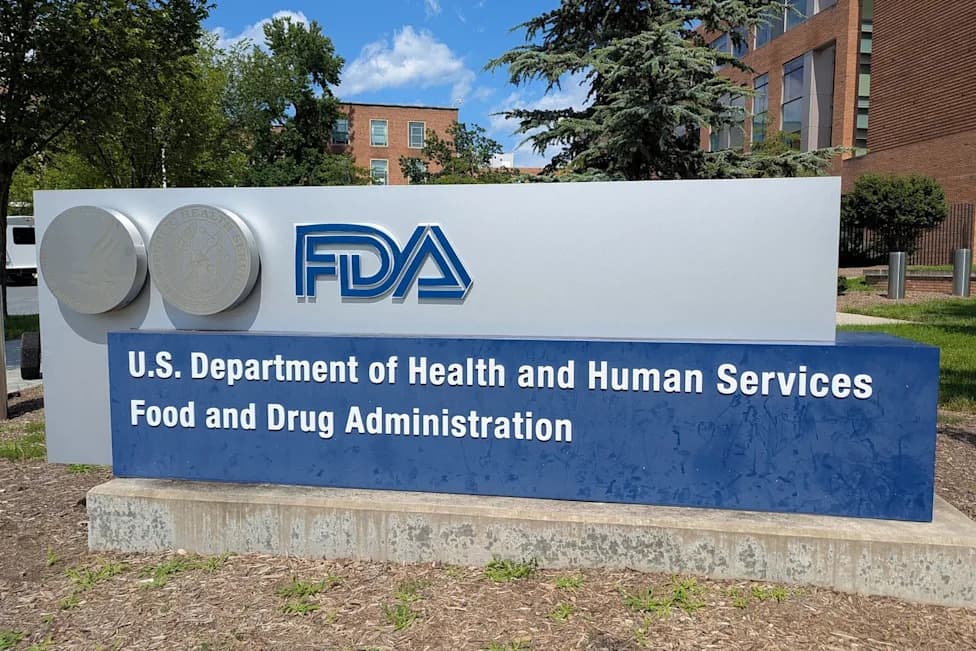
FDA advisers narrowly vote to add 6 peptides to a drug compounding list. What's next?
An independent advisory panel to the U.S. Food and Drug Administration narrowly recommended adding six peptides to a list of ingredients that specially licensed compounding pharmacies may use to prepare patient-specific medications. The Pharmacy Compounding Advisory Committee made the recommendation during a two-day session held Thursday and Friday.
Which Peptides Were Recommended — And Which Were Rejected?
The committee voted to recommend that BPC-157, KPV, TB-500, MOTS-c, Epitalon and Semax be placed on an approved compounding list for use when a licensed physician prescribes them for an individual patient. A seventh compound, emideltide, was rejected after reviewers found the supporting evidence particularly weak and inconsistent with the proposed route of administration.
Why The Vote Matters
The recommendation does not make these peptides over-the-counter or declare them safe and effective. Instead, it would open a narrow, regulated pathway allowing licensed compounding pharmacies to purchase verified raw ingredients and prepare custom formulations for patients with prescriptions. That path requires some safeguards, such as confirming ingredient sources and testing for contamination, but it still bypasses many protections associated with FDA-approved drugs — including standardized labeling and mandatory postmarket safety surveillance.

Martin-dm/STOCK PHOTO/Getty Images - PHOTO: Stock photo of a woman holding BPC-157 peptide injection pen at home.
Deep Split Between Advisers And FDA Scientists
The panel’s vote exposed a sharp divide: outside advisers, several appointed under the current HHS leadership, generally supported listing the peptides, while FDA career scientists unanimously opposed the move. The agency reviewers cited limited clinical-trial evidence, inconsistent batch formulations, and potential for harmful immune reactions.
"As a physician, I have to make sure that I'm keeping patients as safe as possible," panel member Dr. Haleem Mohammed said during the hearing. "So, when I look at something like saying no to this and pushing it to the gray market, am I doing greater harm? That's what I lose sleep at night over."
"Would the government endorse manufacturing heroin because it's cleaner than what is sold on the street?" said Dr. Adriane Fugh-Berman, a professor of pharmacology and physiology at Georgetown University, during public testimony. "Just because a market is large doesn't mean that a product should be legalized. It means that a product should be studied."
Harm Reduction Versus Evidence Standards
Supporters framed their votes as a harm-reduction measure intended to steer patients away from an unregulated online gray market, where people often buy peptides from overseas sellers labeled as "research chemicals" with no medical oversight and uncertain purity. Opponents and public health advocates warned that listing these compounds could create a precedent that weakens the incentive to study and formally approve new therapies through controlled clinical trials.
Regulatory Next Steps
The advisory committee’s recommendation is non-binding. Before any change becomes official, the FDA must review the meeting transcript, public comments and the advisory vote, then publish proposed rules and open them to public comment — a process that can take up to a year. Senior officials who favor expanded access could accelerate that timeline. Robert F. Kennedy Jr., Secretary of Health and Human Services, has publicly expressed support for broader peptide access.
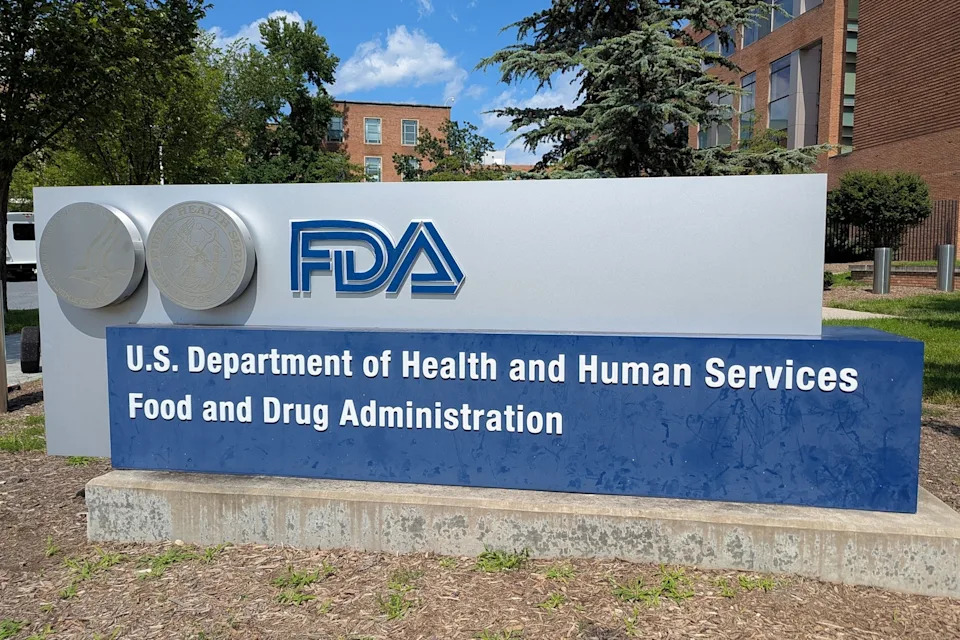
Issam Ahmed/AFP via Getty Images - PHOTO: The logo of the US Food and Drug Administration (FDA) is seen on a sign outside the agency's White Oak campus in Silver Spring, Maryland, on July 17, 2025.
Who Stands To Gain — And What Risks Remain?
Telehealth firms, wellness clinics and medical spas could benefit commercially if compounding access widens. Drug manufacturers warn this route could serve as a loophole around the lengthy clinical trials normally required to demonstrate safety and efficacy. FDA regulators also cautioned that a listing might be misconstrued by patients as an endorsement of safety.
"When you write a script for TB-500, what form do you think your patients are getting? Does anyone know? I certainly don't," said Russell Wesdyk, associate director for Regulatory Affairs at the FDA’s Center for Drug Evaluation and Research, during the hearing.
The debate highlights a broader tension between growing patient demand for novel therapies and the established evidence standards intended to protect public health. Six of the eight recently appointed committee members run clinics that offer peptide treatments, an affiliation that underscored concerns about potential conflicts of interest raised during the hearing.
Bottom line: The panel’s recommendation could expand legally available pathways for prescribed peptide use — but only after the FDA completes its review and any subsequent rulemaking, and not without continuing debate over safety, evidence and appropriate oversight.
Help us improve.