Wildfires in Spain, France and Italy highlight a trend of more frequent, intense blazes as the climate warms. Smoke carries black carbon that can travel hundreds to thousands of kilometres and is tied to short-term respiratory problems and long-term risks such as heart disease, cancer and dementia. Studies suggest wildfire-related mortality is substantially underestimated and emissions may be higher than thought. Experts urge expanded monitoring, stronger early warnings and clear public guidance on protective measures.
Wildfire Smoke Crosses Borders as Climate Change Intensifies Europe's Blazes
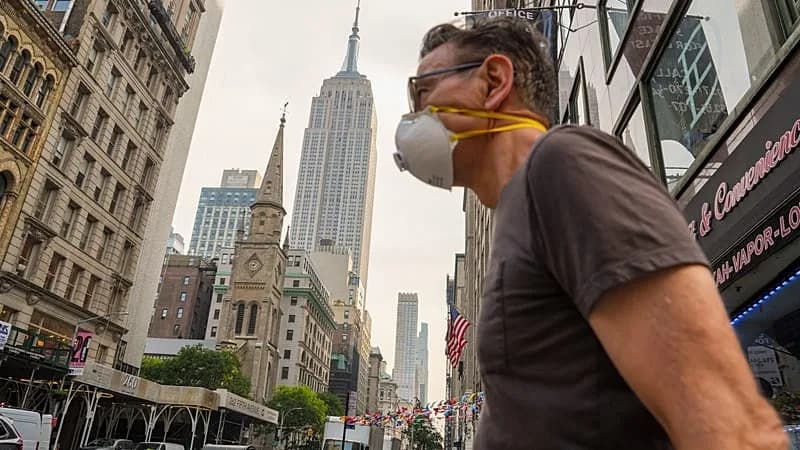
Wildfire smoke is crossing borders as climate change intensifies Europe's blazes
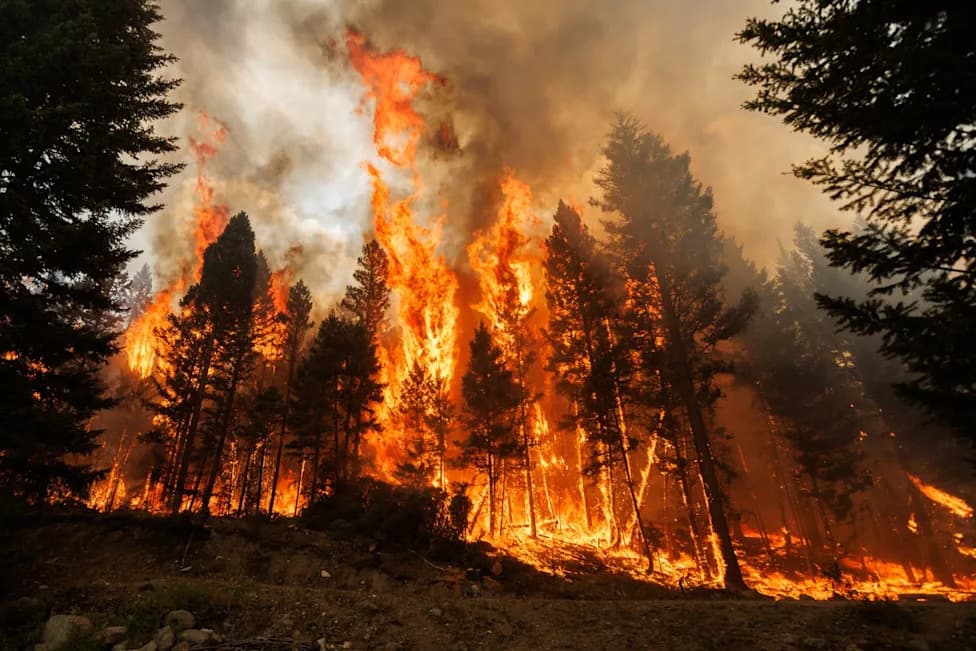
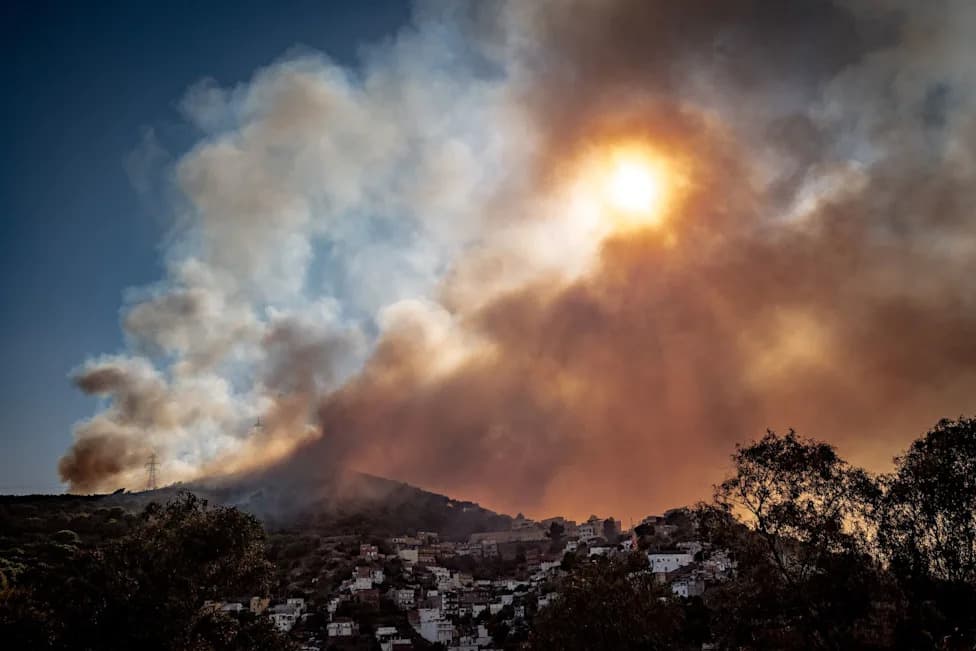
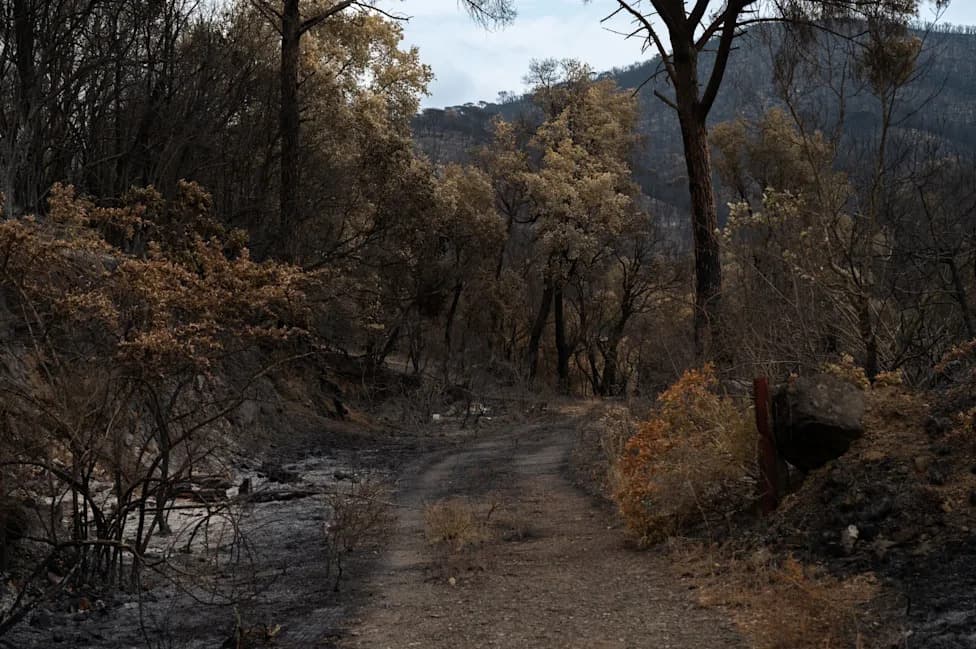
Spain has declared a national emergency, thousands have been forced to flee in France, and vast swathes of land have burned in Italy — stark signs that wildfires in Europe are becoming more frequent and more intense as the climate warms.
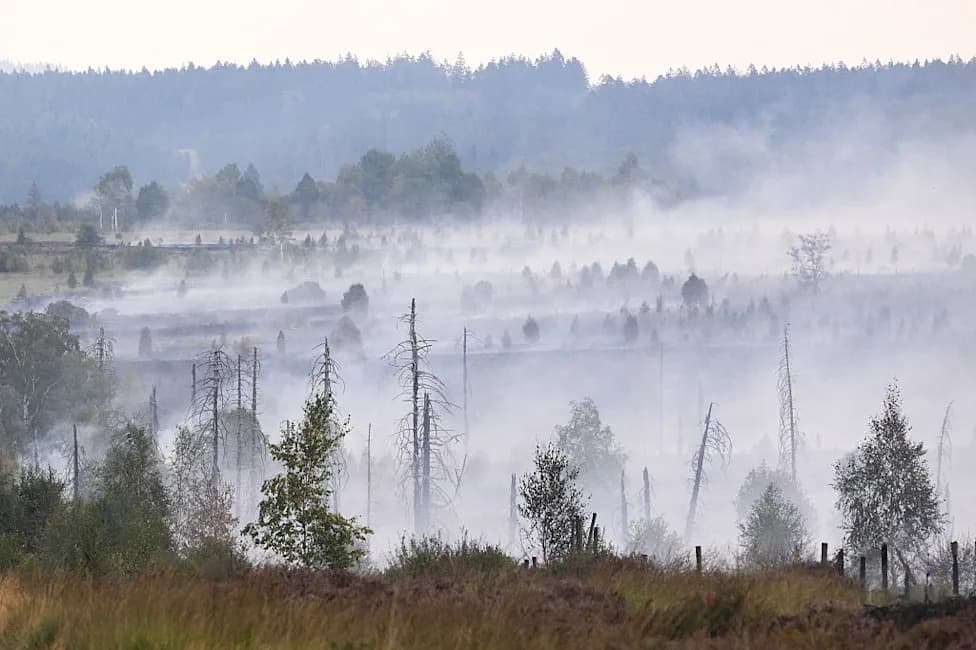
The threat does not end when the flames are extinguished. Smoke from wildfires contains black carbon — tiny particles of partially burned material — that can travel hundreds or even thousands of kilometres from the fire source, carrying health and environmental risks far beyond fire zones.
How Smoke Affects Health
Jane Burston, CEO of the Clean Air Fund, warns that "the pollution can blow quite long distances." Some particles are small enough to pass through the lungs into the bloodstream, triggering immediate problems such as asthma and respiratory irritation. Over years of exposure, wildfire smoke is linked to higher risks of lung cancer, heart attacks, strokes and even dementia.
"We're going to expect a longer and more intense wildfire season every year," Burston told Euronews Earth, pointing to drought and heatwaves — both intensified by climate change — as drivers of more rapid fire spread.
Evidence and Estimates
Burston cited Canada’s record 2023 wildfire season as a stark example: an estimated 82,000 deaths were linked to the resulting toxins and pollution across Canada, the United States and Europe, many occurring long after the fires themselves had ended.

Jane Burston, CEO, Clean Air Fund - Euronews
Recent research supports heightened concern. A study published in The Lancet Planetary Health, covering 32 European countries, found that mortality related to wildfire smoke may be underestimated by about 93%, because fine particles from fires appear more harmful than those from other pollution sources. Separately, US researchers reported that global wildfire emissions of health-damaging gases could be roughly 21% higher than earlier estimates suggested.
A Vicious Cycle
Burston describes a self-reinforcing loop: pollutants released alongside greenhouse gases when fossil fuels are burned raise temperatures, which fuels more and larger wildfires, producing yet more pollution. Tackling both greenhouse gases and other sources of air pollution, she says, would protect health and save money for health systems while boosting productivity.
What Governments and Communities Should Do
Experts call for stronger early-warning systems, expanded air-quality monitoring and clear, actionable guidance for the public. Some regions in Latin America already use air-quality monitors to detect fires before they are visible; governments should pair forecasting with advice on when people should stay indoors, use air purifiers, wear protective masks, or evacuate.
Practical precautions for individuals:
- Check local air-quality forecasts and heed official warnings.
- Stay indoors and keep windows closed when smoke levels are high.
- Use HEPA air purifiers where possible and avoid strenuous outdoor activity.
- Use certified masks (eg, N95/FFP2) if you must go outside in smoky conditions.
- Follow evacuation orders promptly when issued.
As wildfire seasons lengthen and intensify, coordinated preparedness, better monitoring and clear public guidance will be essential to reduce health harms and limit the cross-border impacts of smoke.
Help us improve.