Overview: U.S. forces disabled a commercial tanker attempting to breach a U.S.-imposed blockade as Iran claimed drone strikes on U.S. bases in Bahrain, Jordan and Kuwait and explosions were reported near Erbil. CENTCOM said it completed a 13th consecutive night of strikes to protect shipping, while U.S. officials warn that interceptor and precision-munition stocks are being consumed at an unsustainable rate. Maritime traffic through the Strait of Hormuz dropped markedly and oil prices briefly spiked before easing below $100. Sanctions and diplomatic moves are continuing amid high regional tensions.
U.S. Disables Tanker as Iran Claims Drone Strikes; Interceptor Stocks Raise Strategic Concerns
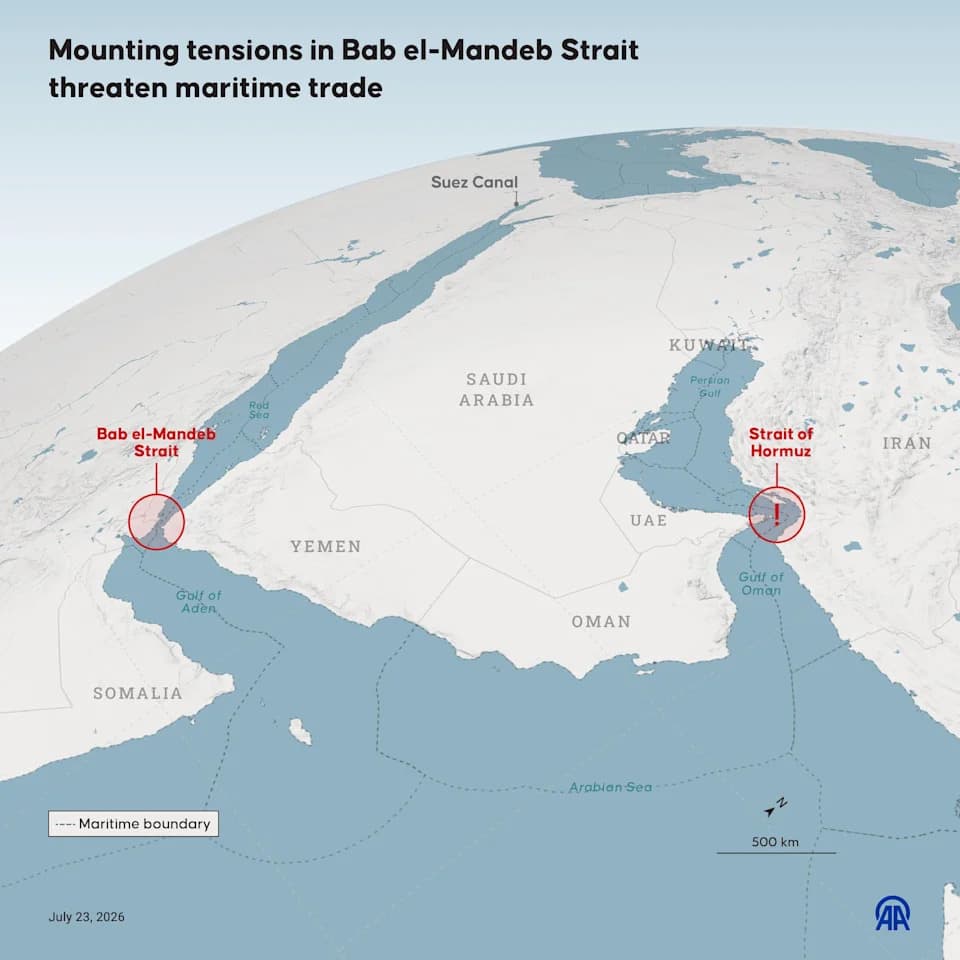
An infographic titled
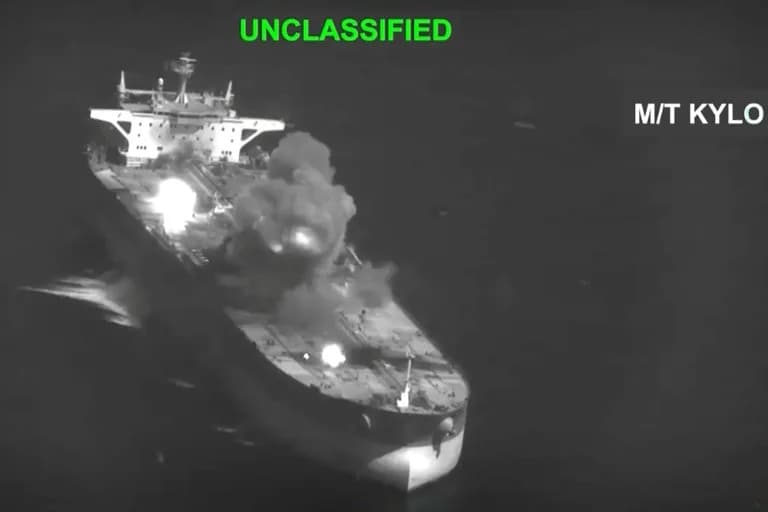
The U.S. military said Friday it disabled a commercial tanker that attempted to run a newly reinstated blockade of Iranian ports, while Iran claimed fresh drone strikes on U.S. facilities in Bahrain, Jordan and Kuwait. Explosions were reported near Erbil in northern Iraq and video circulated showing drones intercepted over the city.
Operational Developments
U.S. Central Command (CENTCOM) said forces disabled the tanker after its crew allegedly attempted to breach the blockade at least four times and failed to comply with repeated warnings. CENTCOM described the vessel as no longer transiting to Iran.
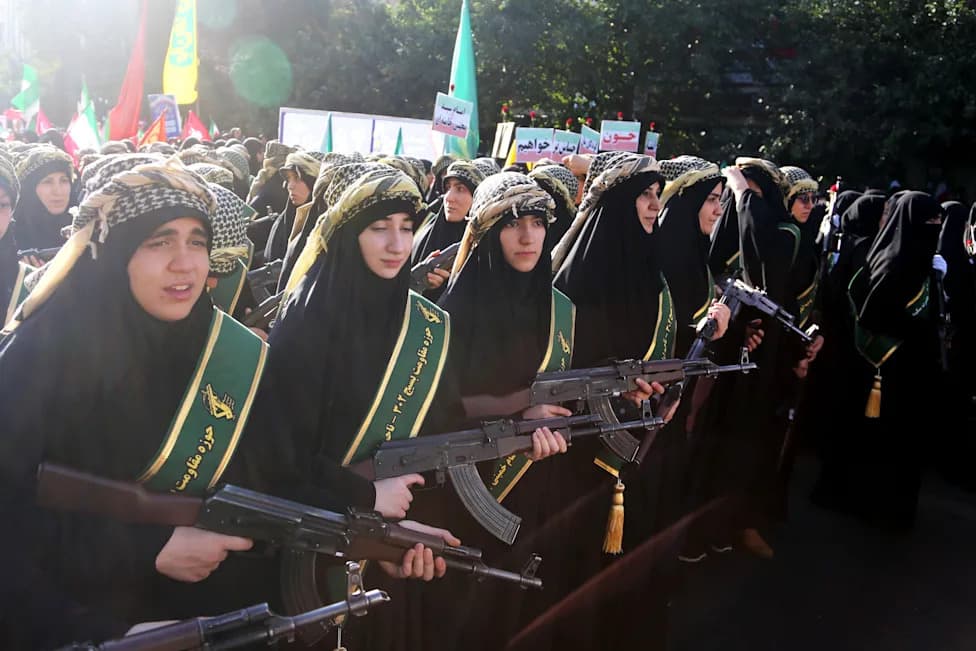
Iran's military and the Islamic Revolutionary Guard Corps (IRGC) claimed coordinated drone attacks on U.S. installations in Bahrain, Jordan and Kuwait. Local officials reported air-raid sirens in Bahrain; Jordan said its air defenses intercepted multiple missiles and drones with no reported casualties. Kuwaiti authorities had not confirmed the Iranian claims at the time of reporting.
Strikes, Defenses and Casualties
The U.S. military said it completed a 13th consecutive night of strikes against Iranian targets intended to disrupt attacks on commercial shipping in and around the Strait of Hormuz. Iran reported civilian casualties from earlier U.S. strikes: the Iranian health ministry said 59 people were killed and 666 wounded between June 27 and July 24. Tehran also reported additional fatalities from continued strikes across the country.
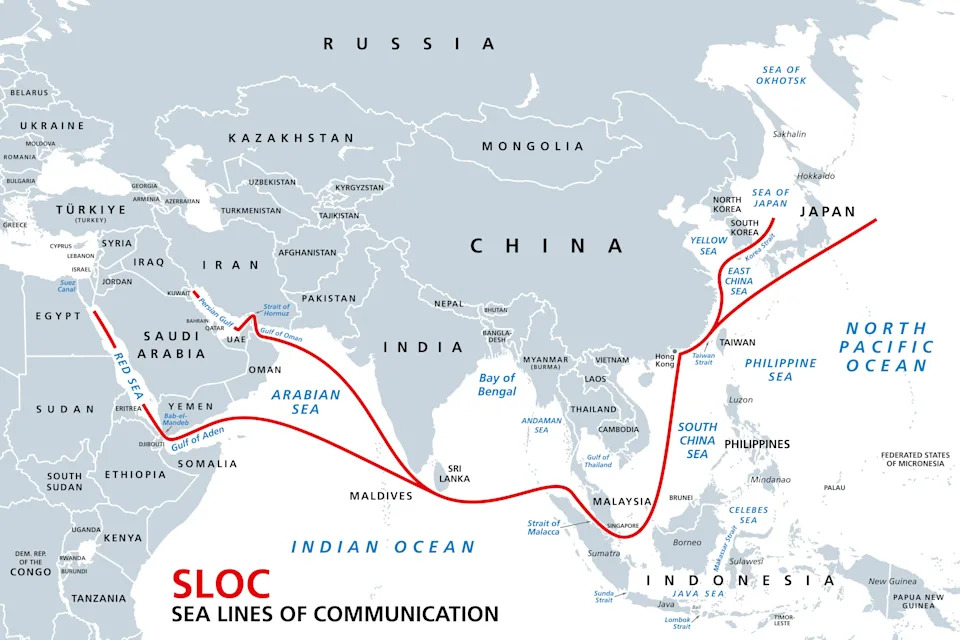
A map shows major routes for energy resources and other trade from the Middle East to Asia, including the Bab el-Mandeb strait and the Strait of Hormuz. / Credit: Getty/iStockphoto
In northern Iraq, Kurdish and coalition forces said they shot down five explosive-laden drones over Erbil; video shows at least one drone intercepted in flames near Erbil Airport, which hosts U.S. personnel. No casualties were reported in that incident. Separately, U.S. officials confirmed discrepancies in publicly posted casualty figures on the Defense Department site, attributing the issue to a temporary data disruption while investigations continued.
Strategic Concerns: Interceptor Stocks and Readiness
U.S. military and intelligence officials told reporters that the pace at which Washington is expending advanced missile interceptors and precision munitions in the Middle East is unsustainable. Senior planners worry that high expenditure rates could strain readiness for other potential contingencies, including operations in the Indo-Pacific.
Maritime Traffic and Energy Markets
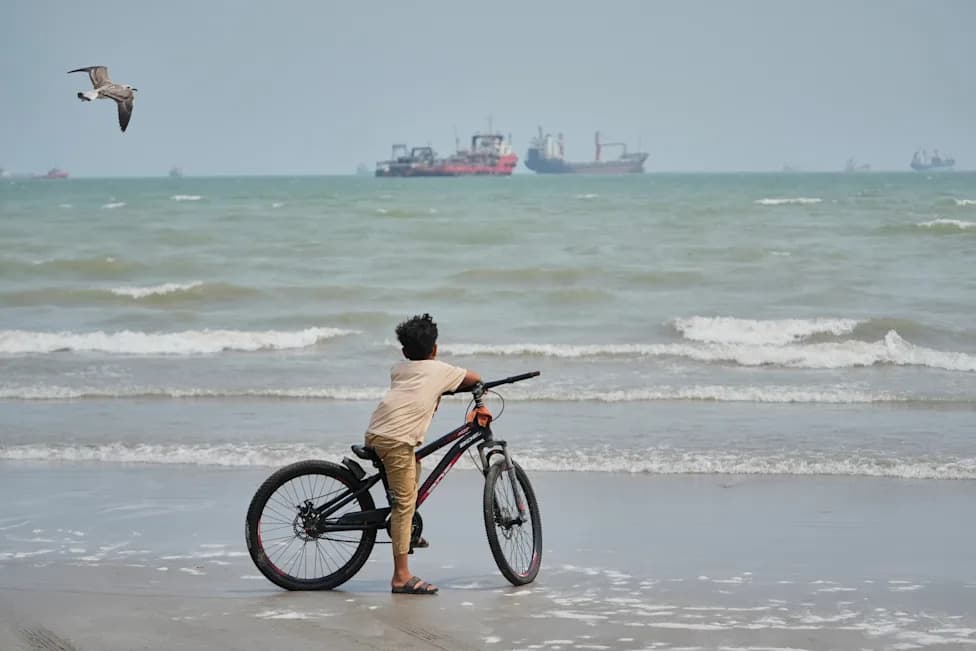
Intelligence firm Kpler reported that traffic through the Strait of Hormuz fell sharply to just six ships on Thursday, compared with 15 the day before; five of the six used the northern route favored by Iran rather than the U.S.-sanctioned southern corridor. By contrast, Bab el-Mandeb transits improved: 49 vessels passed through on Thursday after a slowdown prompted by Houthi threats that had targeted Saudi-flagged tankers.
Brent crude eased below $100, trading around $96 as markets reacted to the tensions. U.S. pump prices averaged about $4.11 per gallon, up from roughly $3.16 a year earlier.
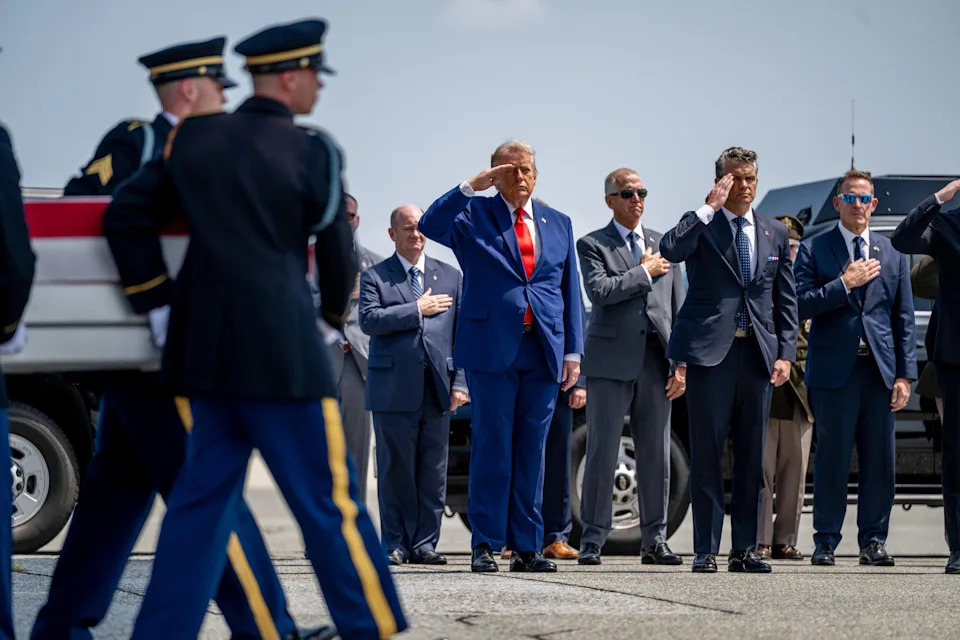
President Trump and Secretary of Defense Pete Hegseth salute as members of a U.S. Army carry team transports a flag-draped transfer case containing the remains of U.S. Army First Lieutenant Tyler James Feehan during a dignified transfer solemn event at Dover Air Force Base in Delaware on Wednesday, July 22, 2026. / Credit: Daniel Heuer / Bloomberg via Getty Images
Sanctions and Diplomacy
The U.S. imposed new sanctions linked to Iranian financier Babak Zanjani, targeting individuals and entities tied to his Dot One conglomerate, which U.S. officials say facilitates regime-linked financial activity. The European Union also sanctioned five Iranian judges for human-rights abuses and targeted a leading figure linked to the Ashiyane cyber group.
President Trump said he accepts assurances from China and Russia that they will not supply weapons to Iran, though multiple intelligence reports have indicated varying forms of support or potential transfers from those countries.
Warning to Civilians and Ongoing Risks
The IRGC warned civilians across the region to avoid areas within 500 meters of U.S. military sites, saying the advisory was intended to reduce noncombatant risk amid ongoing strikes and interceptions. The environment remains fluid, with strikes and counterstrikes affecting military, maritime and diplomatic calculations across the region.
Note: All developments are evolving. Local authorities and military spokespeople provided the claims noted here; some claims remain unverified by independent sources.
Help us improve.