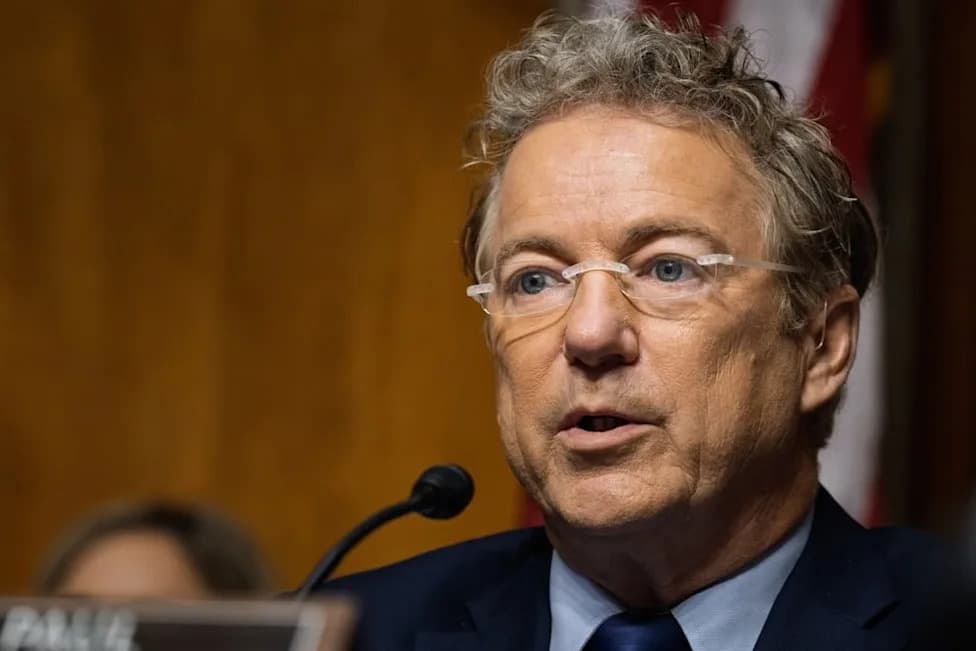
Sen. Rand Paul said the U.S. is "worse off" nearly five months after the Iran war began, pointing to an unprecedented militarization of the Strait of Hormuz and rising fuel costs. Gasoline averages hit about $4.00/gal and global oil benchmarks climbed as Iran tightened control of Hormuz and Houthi militants struck tankers. Paul argued battlefield gains have not translated into negotiating leverage, warned of political fallout from higher living costs, and reiterated his support for withdrawing U.S. forces and reopening Hormuz.
Rand Paul: U.S. 'Worse Off' Nearly Five Months Into Iran War As Hormuz Militarization Drives Energy Costs
Rand Paul Warns US Is 'Worse Off' Nearly Five Months Into Iran War As Hormuz Snags Spike Energy Prices: 'By Any Objective Measure…'
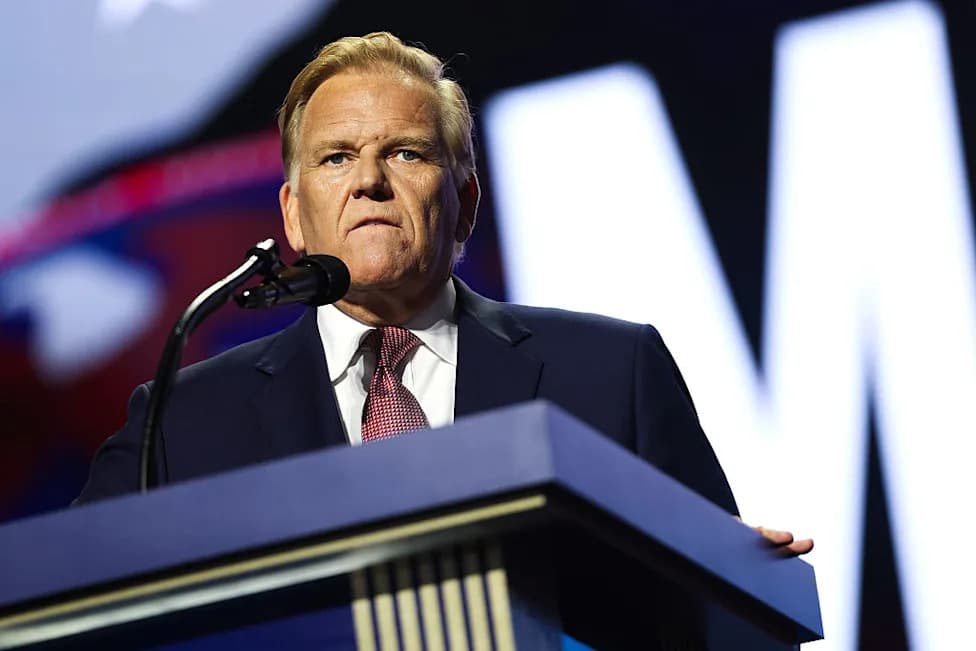
Sen. Rand Paul (R-Ky.) told reporters on Capitol Hill that the United States is "worse off" nearly five months after President Donald Trump launched the Iran war, citing an unprecedented militarization of the Strait of Hormuz, rising energy costs, and the failure to translate battlefield gains into durable political leverage.
"I think the Iran war has not been a success," Paul said Wednesday. "I think by any objective measure we're worse off than we were before the war." He reiterated his long-standing support for congressional efforts to withdraw U.S. forces from the conflict.
Militarization of Key Sea Lanes
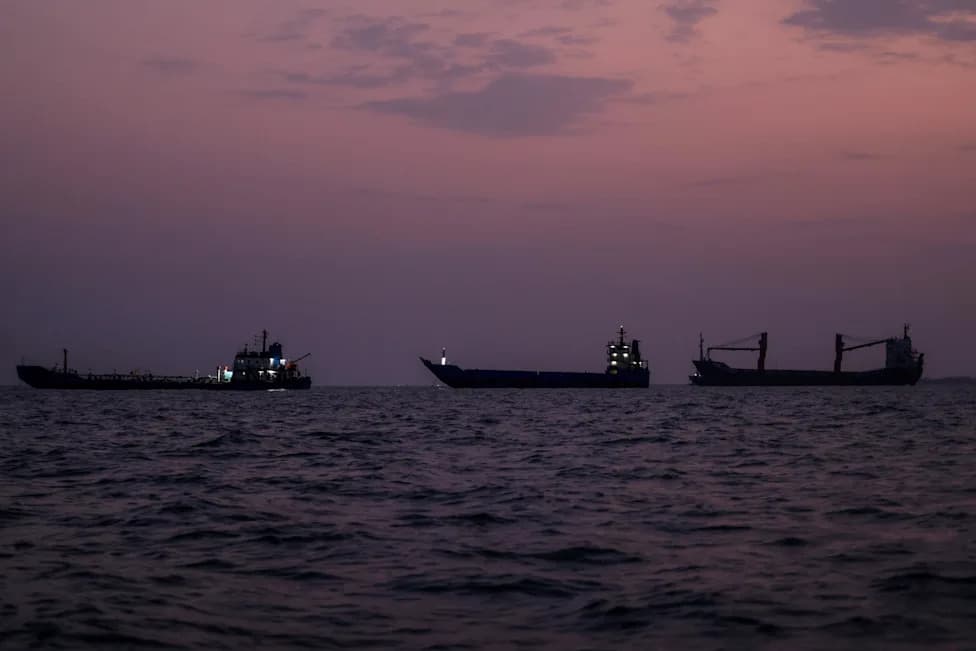
Paul warned that the increased military presence in the Strait of Hormuz is unprecedented and difficult to reverse. Before hostilities intensified, roughly one-fifth of the world’s oil moved through Hormuz; renewed fighting and tighter control by Iran have contributed to higher global energy prices.
Energy Market Impact
Renewed fighting pushed the U.S. national average for regular gasoline to $4.003 a gallon on Monday — more than 30% higher than before the U.S. and Israeli strikes began in late February. Global benchmarks rose as well: Brent crude jumped nearly 5% to $98.64 a barrel on Thursday, while U.S. crude rose to $90.70 a barrel as Iran tightened control of Hormuz and Yemen’s Iran-backed Houthi militants attacked two Saudi oil tankers in the Red Sea.
Broader Trade Risks
Houthi strikes also threaten another critical route, the Bab el-Mandeb Strait, which carries roughly 12% of world trade and about one-quarter of container traffic. Disruption of either waterway raises shipping risk and adds upward pressure to energy and freight costs.
"You could argue we have some leverage because we defeated them militarily," Paul said, "but so far we haven't seen the advantage play out in negotiations."
Ceasefire Collapse and Human Cost
Reuters reports that the ceasefire collapsed in July and daily strikes have resumed. The war has cost the United States an estimated $37.5 billion, resulted in 18 service members killed and roughly 430 wounded. Paul said voters primarily care about household expenses and that some inflationary pressure is linked to the conflict.
Asked whether rising living costs could hurt Republicans politically in November, Paul suggested it was likely and reiterated his opposition to the war on multiple grounds — including concern over growing deficits tied to continued military engagement. He said reopening the Strait of Hormuz should be a "first order of business" in any negotiated settlement.
Related Notes
This report also included syndicated consumer and investment content that highlights ways investors diversify exposure to real estate, private credit, and alternative assets. Separately labeled partner content discussed platforms offering fractional real estate, farmland investments, immersive work technology, and mobile revenue-sharing apps. Readers should treat those segments as sponsored material and not as editorial recommendations.
Help us improve.