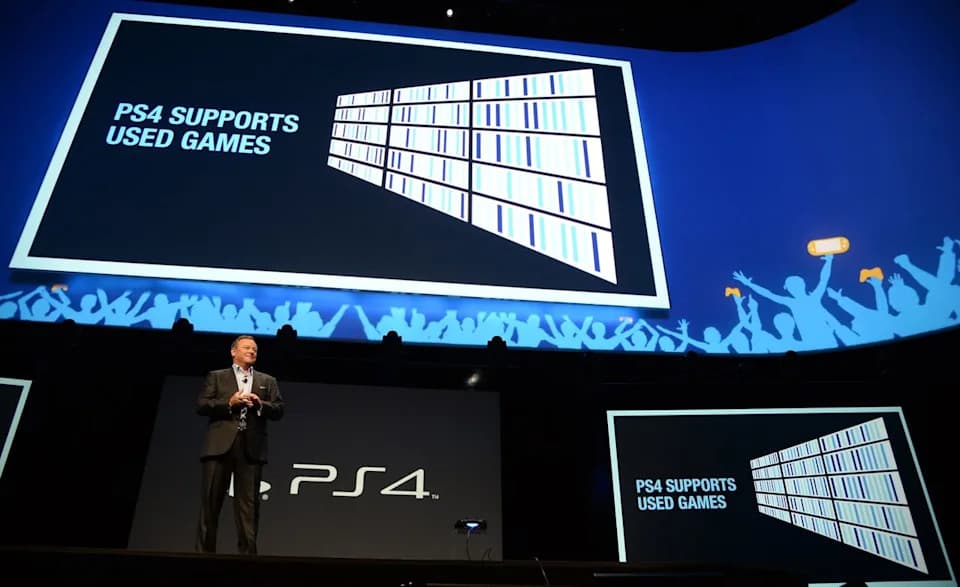
Japan's Patent Office refused Nintendo's Patent Application 2026-019762 in April 2026, finding the claimed Pokémon mechanics obvious in light of prior art, including a 13‑year‑old fan‑made gameplay video. Nintendo argued the video could not be treated as prior art and raised copyright objections; the JPO rejected those points, saying copyright is irrelevant to the inventive‑step test. Nintendo can appeal within three months or file divisional applications, and the decision is unrelated to its Palworld dispute.
Japan Patent Office Slams Nintendo's 'Absurd' Defense in Pokémon Patent Rejection
Credit: Warner Bros.
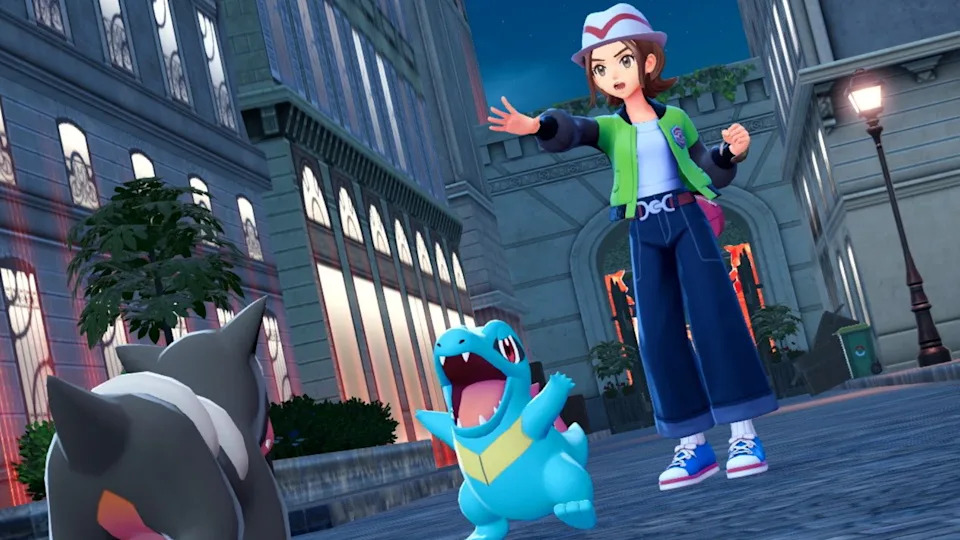
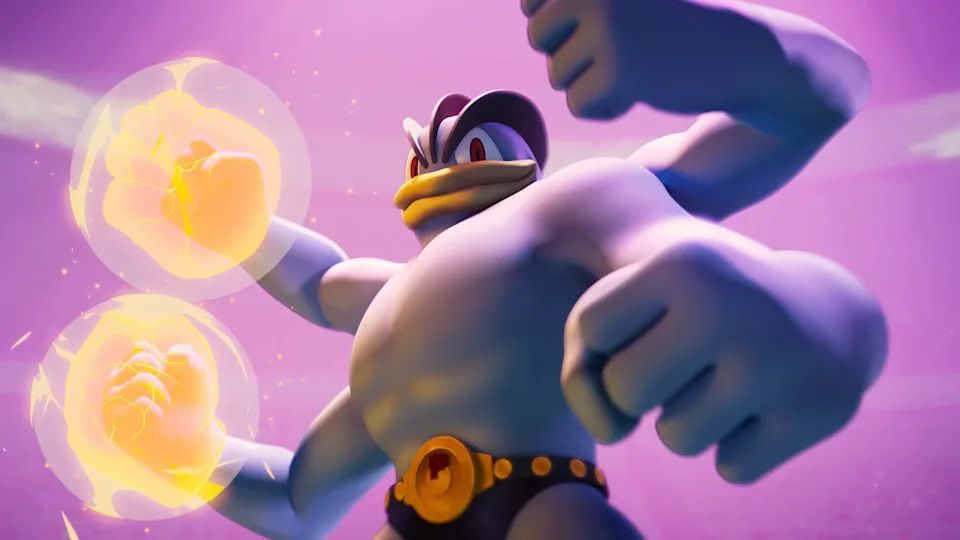
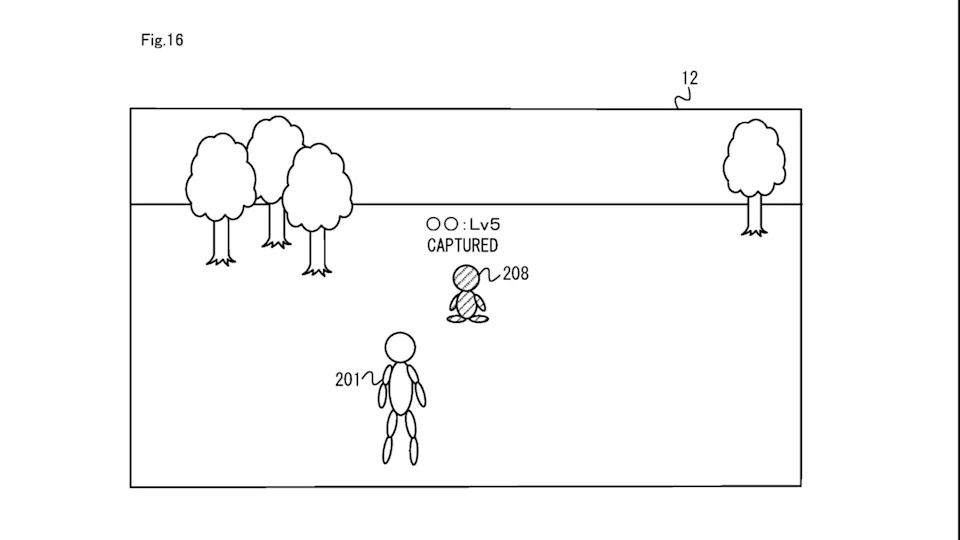
Nintendo's persistent push to patent systems tied to Pokémon gameplay met with an unusually blunt rebuke from the Japan Patent Office (JPO). In April 2026 the JPO issued a notice of refusal for Patent Application 2026-019762, finding that the claimed mechanics for catching, battling and riding Pokémon lacked the required "inventive step" and were too similar to prior art.
Credit: The Pokémon Company
The examiner pointed to a 13‑year‑old gameplay video of an unofficial, fan‑made Pokémon title whose mechanics resembled elements Nintendo later sought to patent. Nintendo responded in a written opinion submitted in June, arguing that a video cannot serve as disqualifying prior art because it is not the videogame itself and that the clip's apparent use of unlicensed Pokémon characters raised copyright concerns that should prevent it from being treated as evidence.
Credit: Nintendo
Those arguments were decisively rejected. The JPO noted that Japanese patent law contains no provision excluding inventions simply because they might infringe another party's copyright. Whether a cited work infringes copyright, the examiner explained, is irrelevant to the inventive‑step analysis — a standard position among patent practitioners. The office therefore treated the gameplay video as relevant prior art for assessing obviousness.
Credit: Pocketpair
"It is extremely inappropriate for the examiner to deliberately misidentify the infringing product as if it were a genuine product," Nintendo had complained, objecting to the use of official Pokémon names such as Pikachu and Bulbasaur in the refusal notice.
The examiner was unfazed. Beyond dismissing the copyright argument, the JPO questioned Nintendo's objection to using a gameplay video as evidence — noting it was unclear whether Nintendo believed a recorded playthrough could not convey the software concepts at issue or whether the clip might merely be an animation made to look like gameplay. The latter possibility, the examiner said, was "too ridiculous" to entertain; an actual gameplay recording, by contrast, can sufficiently demonstrate relevant mechanics.
Credit: Nintendo
In a bit of pointed pedantry, the examiner offered how the cited elements could be described without using official names: for example, "an object in the form of a small animal" instead of "Pokémon," or "a spherical object with a red upper half and a white lower half" instead of "Poké Ball." The JPO added that even if Nintendo's anonymous descriptions were substituted, renaming elements would not create an inventive step and the refusal would stand.
Credit: Nintendo, USPTO
What Happens Next
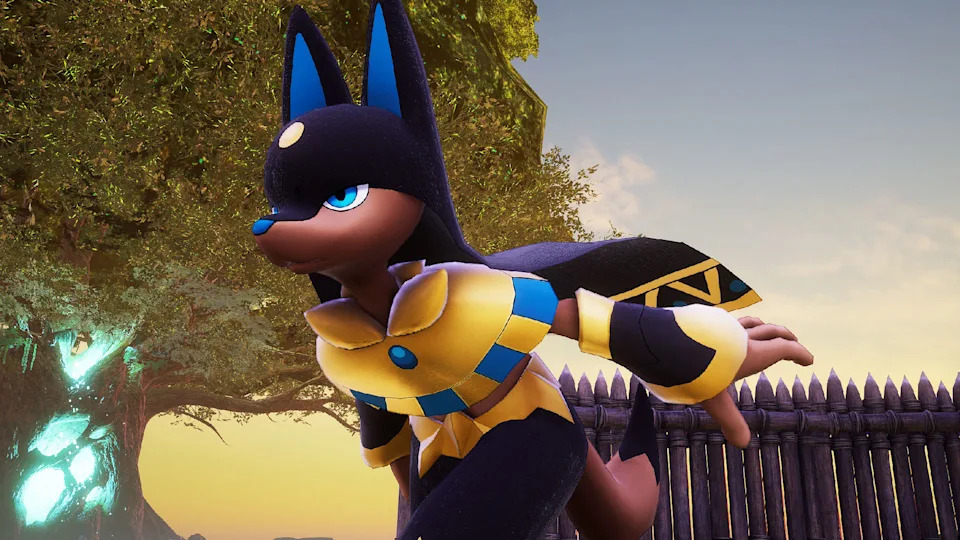
Despite the curt refusal, Nintendo retains procedural options. It can petition for an appeal trial before JPO judges within three months or pursue divisional patent applications with revised claims. The JPO also clarified that this particular application is separate from Nintendo's ongoing legal dispute with Palworld developer Pocketpair and will not affect that case.
Observers say the exchange — and Kiyoshi Kurihara's remark that it contained "things rarely seen in standard patent practice" — highlights growing frustration with expansive patent claims over commonplace gameplay ideas. For now, the JPO's decision stands, and the office's unusually frank language underscores how patent examiners can push back when arguments stray from established legal standards.
Help us improve.