UNESCO has placed six sites in the occupied West Bank and southern Lebanon on both the World Heritage and endangered lists under an emergency procedure, overriding Israeli objections. The listings include Sebastia near Nablus and five Mount Amel castles, including Beaufort Castle. UNESCO cited damage and risks linked to ongoing conflict, while Israel accused Hezbollah of militarizing some sites and criticized the listings as erasing historical ties.
UNESCO Adds West Bank And Southern Lebanon Sites To Endangered World Heritage List Despite Israeli Objections
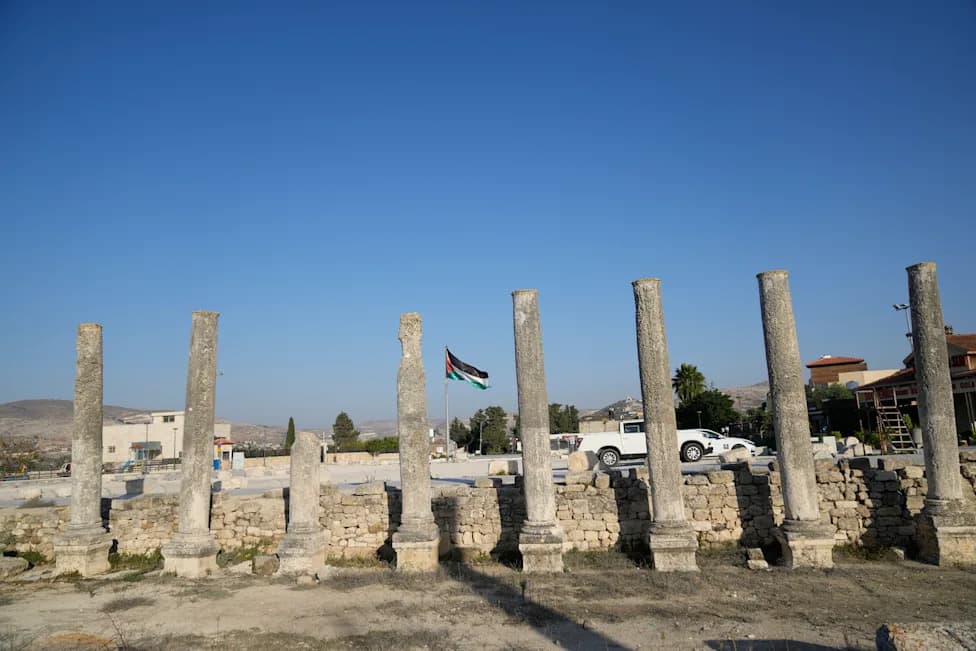
A Palestinian flag flies over the Roman ruins of Sebastia in the occupied West Bank [File: Nasser Nasser/AP]
UNESCO on Friday moved to protect six heritage sites in the occupied West Bank and southern Lebanon by inscribing them simultaneously on the World Heritage List and the List of World Heritage In Danger under an emergency procedure. The decision, taken at a committee meeting in Busan, South Korea, comes amid ongoing regional conflict and despite strong objections from Israel.
What Was Listed
The six sites include the archaeological hilltop of Sebastia near Nablus—a site identified by historians as ancient Samaria, with remains spanning the Iron Age through Roman, Byzantine and Islamic periods and links in Christian and Islamic tradition to John the Baptist—and five medieval fortresses in the Mount Amel region of southern Lebanon, among them Beaufort Castle. Lebanese authorities say one castle, Shamaa, was already destroyed by bombardment and that others remain under threat.
Why UNESCO Acted
UNESCO cited damage and growing risks from armed conflict and associated activities. Palestinian authorities first sought protection for Sebastia in 2012, arguing that Israeli plans to expropriate roughly 200 hectares (about 500 acres) around the site for a national park—introducing a fence, entry fees and an access road restricted to Israelis—would undermine the local Palestinian tourism economy and limit Palestinian access to the ruins. In Lebanon, UNESCO cited threats from bombardment and recent fighting, during which Israeli forces captured Beaufort Castle in May.
Competing Claims
Israel strongly opposed the listings. Its foreign minister said the Sebastia decision sought to erase "the Jewish connection to this land." Israel also accused Hezbollah of turning Beaufort into a military position with tunnels beneath it. Lebanese officials and delegates disputed those assertions, saying the castles had served as tourist sites since Israeli troops withdrew from southern Lebanon in 2000 and denying militarization claims.
Broader Context
The vote highlighted existing tensions between Israel and UNESCO: Israel withdrew from the agency in 2019 over allegations of bias and now participates only as an observer. Earlier in the week, UNESCO also added the ancient Lebanese city of Tyre to the endangered list after an Al Jazeera investigation said satellite imagery from January to June showed patterns of land clearing and demolition across the town.
Implications: The UNESCO listings aim to draw international attention and protective measures for cultural heritage under threat. However, the move is likely to intensify diplomatic disputes over heritage, sovereignty and security in the region.
UNESCO's emergency inscriptions do not resolve underlying political and security disputes, but they can mobilize conservation funding, monitoring and international scrutiny aimed at limiting damage to sites of outstanding universal value.
Help us improve.